



All Regenerative Medicine dupe articles
-
 News
NewsStem cells from baby teeth could treat cerebral palsy
Japanese researchers have shown in a rat study that stem cells derived from naturally shed baby teeth may improve motor and cognitive impairments in chronic-phase cerebral palsy.
-
 News
NewsMini-stomach organoids grown to improve disease research
Scientists have grown the first multi-regional “mini-stomach” in the lab, creating a new way to study rare genetic stomach diseases and help to develop new treatments for digestive conditions.
-
 News
NewsCentrifuge technique creates functional bioengineered lymph nodes
Using a straightforward cell stacking method, researchers have regenerated functional lymph nodes, offering a potential long-lasting therapy for secondary lymphedema and creating new opportunities for immunology and oncology drug discovery.
-
 News
NewsMagnetic stimulation advances heart organoids for future therapies
Researchers have shown that applying magnetic forces to lab-grown human heart organoids enhances their maturation and vascular development, offering a more realistic model of early heart formation and the possibility of future cardiac therapies.
-
 News
NewsNew method preserves iPS cells for regenerative medicine
Kobe University researchers have developed a new way of freeze induced pluripotent stem cells (iPS cells) directly in their culture dishes without losing viability or pluripotency.
-
 News
NewsUltra-stable hydrogel boosts gastrointestinal wound repair
PolyU researchers have developed a new acid-resistant hydrogel inspired by natural gastric mucus that adheres far better than current treatments.
-
 News
NewsTY1: new experimental drug restores tissue after heart attack
Scientists have developed an experimental RNA-based drug, TY1, that repairs DNA, reduces scar tissue and could lead to new treatments for heart attacks and autoimmune diseases.
-
 Article
Tackling the organ shortage through vascular bioengineering
Frontier Bio’s vascular bioengineering research connects tissue modelling with graft development to advance regenerative medicine and drug discovery.
-
 News
NewsNew UCLA drug could restore heart and organ function
UCLA researchers have developed a monoclonal antibody, AD-NP1, that blocks ENPP1 to enhance heart repair and reduce scar tissue.
-
 News
NewsLab-grown kidneys show real function in new stem cell study
USC Stem Cell scientists have created the most advanced lab-grown kidney structures to date, combining key components into ‘assembloids’ that mature and function like real kidneys, which could open up new possibilities for modelling complex kidney diseases.
-
 News
NewsNew stem cell approach could repair stroke-damaged brains
A new experimental stem cell therapy shows promise in repairing brain damage after ischemic strokes – potentially allowing for the development of future treatments that extend the recovery window.
-
 News
NewsMapping lung disease: new atlas to accelerate drug discovery
Helmholtz Munich and Parse Biosciences have collaborated to create the world’s largest lung disease perturbation atlas – which could aid the discovery of new therapeutic targets and accelerate the development of future lung disease treatments.
-
 Article
Inside the Alzheimer’s study backing stem cells, not drugs
In this first-in-human Alzheimer’s study, Wnt-activated autologous stem cells are delivered intracerebroventricularly (directly into the brain) to address neuronal loss, while also reducing amyloid and tau biomarkers and improving cognition. Early data from this regenerative approach could help early drug discovery teams shape target selection, biomarker development and trial design.
-
 News
NewsFrom graphene to grey matter: tech that supercharges brain organoids
Researchers at UC San Diego have discovered a graphene-based technology that accelerates the maturation of human brain organoids, offering a safer, non-invasive way to model diseases like Alzheimer’s.
-
 News
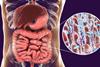
NewsScientists discover neuron-like communication in gut cells
Scientists in Singapore have discovered that gut support cells – known as telocytes – use neuron-like extensions to deliver signals directly to intestinal stem cells. This could lead to new treatments for diseases such as inflammatory bowel disease and colon cancer.
-
 News
NewsBile acid-enhanced liver organoids set to improve liver disease treatment
Researchers in Japan have developed long-lasting 3D liver organoids from stem cells by incorporating bile acids into the culture medium - offering a new model for studying chronic liver diseases.
-
 News
NewsSB000: a safer path to anti-aging therapies
Shift Bioscience has announced new aging research, highlighting the discovery of SB000. This novel single-gene target reverses cellular aging without activating dangerous pluripotency pathways.
-
 Article
Driving diversity and leadership in the biotech industry
Judy Ashworth, CMO of Novadip Biosciences, shares her journey in advancing treatments for rare paediatric conditions and championing diversity in STEM.
-
 News
NewsBone repair breakthrough: why men and women heal differently
Men and women heal bone injuries through distinct biological processes, challenging assumptions in regenerative medicine. The findings support the development of personalised implants and more effective, sex-specific treatment strategies.
-
 Article
Pioneering cellular therapies for age-related diseases
Discover how Immorta Bio's cellular therapies are addressing cancer and liver failure, with the potential to transform healthcare.