



All Translational Science articles – Page 22
-
 News
NewsNew lipid nanoparticle boosts mRNA delivery fivefold in cancer study
Japanese researchers have engineered a new lipid nanoparticle that delivers mRNA to cells five times more effectively, resulting in stronger immune responses and tumour suppression in mice.
-
 News
NewsVitamin B1 + glucose: a new combination approach to tackling sepsis
Scientists at Ghent University have discovered that a simple combination of vitamin B1 and glucose could drastically improve survival in sepsis – a life-threatening condition responsible for millions of deaths each year.
-
 Article
Tracing ACLY from cardiovascular target to liver therapy lead
Can a cholesterol enzyme help treat an untreatable liver disease? Esperion’s ACLY programme is using multiomic and preclinical data to evaluate its potential in primary sclerosing cholangitis.
-
 Report
Beyond the Lab: Biomarkers Powering Tomorrow’s Therapies
Biomarkers are redefining how precision therapies are discovered, validated and delivered. This exclusive expert-led report reveals how leading teams are using biomarker science to drive faster insights, cleaner data and more targeted treatments – from discovery to diagnostics.
-
 News
NewsCOVID-19 and flu could awaken hidden breast cancer cells
Scientists have discovered that infections like COVID-19 and flu can “wake up” dormant breast cancer cells – triggering new tumour growth in the lungs.
-
 News
NewsIntersectin protein discovery may help treat cognitive disorders
Researchers have discovered that the protein intersectin plays a crucial role in organising synaptic vesicles – enabling direct communication essential for learning and memory.
-
 News
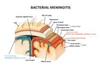
NewsMast cells: new target for preventing meningitis and brain disease
Scientists at Washington University School of Medicine have discovered that mast cells – immune cells best known for triggering allergic reactions – also help protect the brain from bacterial and viral infections. This could have important implications for treating brain infections in the future.
-
 News
NewsNew stroke drug reduces brain damage by 60 percent in preclinical study
Cambridge researchers have discovered a new drug that could dramatically improve stroke recovery by reducing brain damage caused when blood flow is restored.
-
 News
NewsNew research shows squeezing cancer cells helps them survive
Scientists have discovered that cancer cells generate an instant burst of energy when physically squeezed, helping them repair DNA damage and survive harsh environments. This discovery means that therapies targeting this new survival mechanism could be developed.
-
 News
NewsCDK4/6 and PARP combo improves prostate cancer treatment
Researchers at VHIO have discovered a new way to overcome drug resistance in metastatic prostate cancer – by combining CDK4/6 inhibitors with follow-up therapies.
-
 News
NewsNew drug combo targets PRMT5 to fight deadly cancers
Scientists at Virginia Tech’s Fralin Biomedical Research Institute have identified a promising drug target – PRMT5 – that could make treatment-resistant lung, brain and pancreatic cancers more vulnerable to therapy.
-
 Article
Antibodies come full circle: biopharma back at the bench
Recombinant antibody technology is redefining research standards - bringing biopharma-grade precision, consistency, and customisation to the lab. Discover how advances like Fc engineering and chimerisation are accelerating progress from basic discovery to clinical insight.
-
 News
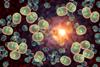
NewsHow FtsZ and ZapA proteins drive bacterial cell division
Japanese researchers have discovered how the bacterial proteins FtsZ and ZapA work together to drive cell division – a discovery that could guide the development of new antibacterial treatments.
-
 News
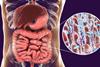
NewsScientists discover neuron-like communication in gut cells
Scientists in Singapore have discovered that gut support cells – known as telocytes – use neuron-like extensions to deliver signals directly to intestinal stem cells. This could lead to new treatments for diseases such as inflammatory bowel disease and colon cancer.
-
 Article
From lab to clinic: the rise of Radio-DARPins in oncology
As radioligand therapy continues to show promise, its application in solid tumours remains limited by long-standing biological challenges. In this interview, Julien Torgue, CSO at Orano Med, discusses a new collaborative platform – Radio-DARPins – and how it could help overcome key barriers to clinical progress.
-
 News
NewsELRIG announces keynote speakers for Drug Discovery 2025 in Liverpool
ELRIG (European Laboratory Research & Innovation Group) has announced the keynote speakers for Drug Discovery 2025, Europe’s premier life sciences conference, taking place at ACC Liverpool from 21–22 October 2025.
-
 Article
Managing CGT trials: the role of IRT from discovery to clinical development
Discover how interactive response technology (IRT) is revolutionising the management of cell and gene therapy (CGT) trials by streamlining complex workflows, ensuring regulatory compliance and enhancing patient outcomes.
-
 News
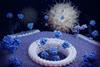
NewsDeep-sea sugar EPS3.9 sparks immune attack on tumours
Scientists have isolated a sugar molecule from deep-sea bacteria that triggers pyroptosis - a form of inflammatory cell death - to halt tumour growth - highlighting the potential of marine microbes in drug development.
-
 News
NewsPioneering Nipah vaccine for pigs aims to protect humans too
Scientists at The Pirbright Institute have developed and successfully tested three experimental vaccines to protect pigs against the deadly Nipah virus - a first step to preventing transmission to humans.
-
 News
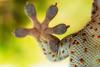
NewsNew sticky material mimics gecko feet to fight tumours
Inspired by the gecko lizard’s grip, scientists at CU Boulder have developed a sticky, biodegradable material that clings to tumours and delivers chemotherapy drugs over several days.