



All Translational Science articles – Page 26
-
 News
NewsNew partnership targets CNS symptoms in ultra-rare diseases
Chiesi Group and Key2Brain have signed a global license agreement to develop two blood-brain barrier-crossing enzyme replacement therapies for alpha-mannosidosis and Krabbe disease – with the aim to help patients with limited treatment options.
-
 News
NewsAI platform detects new drug targets in minutes
Fauna Bio has launched Fauna Brain™, a powerful new AI platform that leverages the company’s expertise in comparative genomics to accelerate drug target discovery.
-
 News
NewsTurning AI into a biological design engine
DenovAI has unveiled a powerful AI-driven protein design platform capable of creating new, functional synthetic proteins from scratch - marking a big step forward for drug discovery.
-
 News
NewsNew nanoparticle enhances cancer drug penetration
Researchers at Southern Medical University have developed a self-propelled ferroptosis nanoinducer that penetrates deeper into tumour tissues - offering a new strategy for safer and more effective cancer treatment.
-
News
New polymer boosts mRNA vaccine safety
A new material developed at Cornell University offers a more effective way to deliver mRNA vaccines by replacing polyethylene glycol (PEG) with a water-loving polymer poly(carboxybetaine) (PCB).
-
News
Scientists discover enzymes that redefine glycan pathways
Researchers at Tokyo University of Science have identified three new enzyme families that degrade the complex bacterial carbohydrate β-1,2-glucan – offering new opportunities for enzyme engineering.
-
 Article
Rethinking antibody discovery in the age of automation
James Atwood, COO of Opentrons, shares how accessible lab automation is helping research teams tackle tighter budgets, faster timelines and complex discovery workflows.
-
 Article
Pain relief without the risk: why SRP-001 could change everything
A practicing surgeon turned biotech CEO is developing a novel pain medicine that could sidestep the failures of both opioids and paracetamol.
-
 News
NewsNew therapy for incurable brain disease heads to clinical trials
SynaptixBio has selected its lead drug candidate, SB H-19642, for clinical trials to treat H-ABC - a rare, fatal neurodegenerative disease with no current cure.
-
 News
NewsDual-action therapy clears MDR bacteria in preclinical models
Centauri Therapeutics has published data showing that CTX-09’s ability effectively clears drug-resistant Gram-negative bacteria through a novel dual mechanism, marking a promising development for new infection therapies.
-
 Article
Why playing it safe is slowing down drug discovery
President Trump’s proposed drug pricing reforms are putting pressure on early-stage discovery. To keep pace, teams must rethink how they manage risk, resources and collaboration.
-
 News
News3D model reveals hidden drivers of smell regeneration
Scientists have developed a simple- 3D mouse tissue model to study how the nose regenerates smell-sensing neurons. The goal is to create an organoid system that can be used to screen potential therapies for smell loss.
-
 News
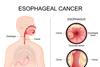
NewsOrganoids take on ESCC’s toughest tumours
A new study at Science Tokyo has developed patient-derived organoids to better understand and combat resistance in oesophageal squamous cell carcinoma (ESCC).
-
 Article
The next phase of the multiomics evolution, powered by AI
Genomics laid the foundation for precision medicine, but on its own, it offers only part of the picture. This article explores how integrated multiomics can provide the deeper biological context needed to drive more effective therapies forwards.
-
 News
NewsReelin identified as key marker of cocaine-activated brain cells
Researchers at the University of Alabama have identified reelin, a glycoprotein known for its role in brain development, as a key regulator of neurons in the brain's reward centre, potentially making way for targeted therapies against cocaine use.
-
News
Stanford grows vascularised mini-organs
Stanford scientists have successfully grown heart and liver organoids that include functioning blood vessels. This breakthrough overcomes a major size and maturity barrier, which could advance disease modelling and regenerative therapies in the future.
-
 Article
A spatial approach to understanding drug dynamics using mass spectrometry imaging
What if you could actually see where a drug travels in the body down to the cellular level. Find out how mass spectrometry imaging (MSI) is making that possible – reshaping drug development from the inside out.
-
 Article
Solving the disconnect between lab and data scientists: part 1
Lab scientists and data scientists often speak different languages and that miscommunication can slow down important research. In this interview, Ian Kerman shares how his team is working to break down those walls and spark better collaboration.
-
 News
NewsEngineered DNA aptamers outsmart viral infection pathways
EPFL scientists have engineered virus-inspired DNA aptamers that bind infection targets with record selectivity. This innovation could change how we diagnose and treat infectious diseases.
-
 Article
A global push for better animal welfare in research
What does ethical research look like in drug discovery today? In this interview, Charles River’s Executive Director of Global Animal Welfare shares how global standards, the 3Rs and her own path as a woman in STEM are shaping efforts to reduce animal use in science.