



All Translational Science articles – Page 28
-
 Article
What SLAS 2025 really told us about drug discovery
Forget the buzzwords - SLAS 2025 showed what’s genuinely driving progress in drug discovery: usable AI, collaborative platforms and tools that solve real problems.
-
 News
NewsWhy ATP signalling might change melanoma for good
A new study from Central South University reveals how adenosine phosphate signalling shapes the tumour microenvironment in melanoma, offering a new biomarker for guiding personalised cancer treatment.
-
 News
NewsNew UCD centre targets the biggest bottleneck in rare research
The world’s first translational research center dedicated to urea cycle disorders (UCDs) has been launched in Zürich, marking a significant moment in rare disease innovation.
-
 News
NewsVascularised stem cell organoids advance diabetes therapy
A team of researchers have developed the first vascularised organoid model of human pancreatic islets, which could lead to further development of advanced cell therapies for diabetes.
-
 Article
Transforming cancer care through clinical excellence
Melika Davis at BeOne reflects on the inspiration and drive that has helped her forge a successful career in clinical operations.
-
 News
NewsNasal spray gene therapy shows potential to treat lung diseases
Researchers at Mass General Brigham have developed a new gene therapy delivery system, AAV.CPP.16, that targets the lungs via nasal spray, which could offer a potential breakthrough in respiratory gene therapy.
-
 Article
How AI and LLMs are transforming drug discovery: part 2
As AI reshapes scientific work, two founders debate how best to build tools scientists can trust — should we embed expertise into the model or the team? From agent-powered labs to hypothesis-generating machines, the future of drug discovery is being reimagined right now.
-
 News
NewsNew biobank offers hope for sufferers of dry mouth
Mayo Clinic researchers have created the world’s first biobank of human salivary gland tissue-organoids, offering a resource for developing regenerative therapies to treat chronic dry mouth.
-
 Article
POLB 001: tackling cytokine storms before they start
Cytokine release syndrome (CRS) is a major barrier in cancer immunotherapy - but what if we could prevent it before it begins? Dr Liam Tremble, Principal Scientist at Poolbeg Pharma, discusses how POLB 001, an oral anti-inflammatory candidate, could offer a new way forward.
-
 News
NewsNew ‘ovaroid’ model research offers hope for reproductive disorders
Researchers have developed the first fully stem cell-derived model of human ovarian organoids, or "ovaroids," offering a powerful new tool for studying infertility, differences in sex development (DSDs), and related reproductive disorders.
-
 News
NewsNew investigational therapy shows promise for treating skeletal disorders
Tyra Biosciences has announced new data showing that its investigational therapy, TYRA-300, improves bone growth and corrects skeletal abnormalities in preclinical models of achondroplasia and hypochondroplasia.
-
 Article
Transforming biotherapeutics delivery for local communities
Vitalant is transforming the path from preclinical drug discovery to patient care by enabling access to cutting-edge cell and gene therapies. With decades of expertise and a nationwide network, find out how they bridge the gap between innovative treatments and local communities, ensuring life-changing therapies reach patients efficiently.
-
 News
NewsTargeting PLA2G15 to treat neurometabolic disorders
Scenic Biotech and Stanford University have published a study identifying PLA2G15 as a new drug target in neurodegenerative and metabolic diseases, potentially enabling future treatments for conditions like Niemann-Pick type C.
-
 Article
AI at the forefront of age-related disease treatment
The body undergoes changes with age that can lead to conditions like sarcopenia and osteoarthritis, burdening individuals and healthcare systems. Find out how Rejuvenate Biomed uses AI to decode ageing biology and develop combination therapies targeting the root causes of age-related diseases, offering hope for better treatments and quality of ...
-
 News
NewsK Navigator: an AI co-pilot transforming biomedical research
K Navigator, a new AI-powered research co-pilot, is set to transform biomedical science by helping researchers explore complex data and accelerate discoveries.
-
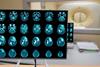 News
NewsTargeting the clock: new drug disrupts glioblastoma stem cells
Scientists have developed a new drug, SHP1705, that targets hijacked circadian clock proteins used by glioblastoma stem cells to grow and resist treatment.
-
News
New data: Visugromab targets ADC resistance mechanism
CatalYm announces new preclinical data showing that its clinical-stage antibody, visugromab, can overcome resistance to antibody-drug conjugates (ADCs), showing potential to restore anti-tumour immune responses in solid tumours.
-
 News
NewsEnedra secures funding to advance AI-driven cancer platform
Enedra Therapeutics has secured new funding to advance its AI-driven CASPAROV platform, aimed at developing therapies for difficult-to-treat cancers
-
 Article
How AI and LLMs are transforming drug discovery: part 1
AI is reshaping drug discovery – but not without resistance. In this two-part conversation, André França and Eli Pollock share honest insights about the real barriers to AI adoption in life sciences and how embedding domain expertise into AI workflows might be the key to unlocking its full potential.
-
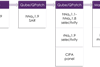 News
NewsHigh-throughput NaV1.9 assay to advance pain therapies
Metrion Biosciences has introduced a breakthrough NaV1.9 screening assay, aimed at overcoming historical challenges in pain research and advancing the development of non-opioid treatments.