



All Weill Cornell Medicine articles
-
 News
NewsImproving brain resilience: Rab proteins and future treatments
New research has discovered how Rab proteins control the delivery of critical supplies to strengthen neural connections, providing researchers with important insights into memory formation and potential strategies for Alzheimer’s resilience.
-
 News
NewsTargeting EZH2 may prevent triple-negative breast cancer spread
A new study has revealed that the enzyme EZH2 triggers abnormal cell division that fuels metastasis, and blocking this enzyme with existing drugs could restore normal cell behaviour to stop cancer from spreading.
-
 News
NewsTargeting MAPK and PI3K/mTOR pathways halts ovarian cancer growth
A new preclinical study has combined two experimental drugs that effectively block ovarian tumour growth – a strategy that could lead to new treatments against this genetically complex cancer.
-
 News
NewsSmall molecule therapy improves islet transplant success in diabetes
A study from Weill Cornell Medicine shows that pre-treating pancreatic islet cells with a small molecule cocktail significantly improves survival after transplantation in type 1 diabetes models. The approach could help make donor cells go further and transplants more efficient.
-
 News
NewsBCG alters bone marrow to strengthen anti-cancer response
A new study reveals that BCG, a decades-old bladder cancer treatment, reprograms the immune system at the bone marrow level, offering a new perspective into how this immunotherapy boosts the body’s defence against cancer.
-
 News
NewsReprogramming gut cells to treat short bowel syndrome
A preclinical study conducted by researchers at Weill Cornell Medicine have demonstrated a new gene-editing strategy to treat short bowel syndrome (SBS), a life-threatening condition in which patients lack a functional small intestine.
-
 News
NewsKRAS variants in human pancreatic cancer: new key findings
Researchers have identified underlying KRAS mutations which drive associated risk of particular clinical outcomes.
-
 News
NewsCreating retroelement-based epigenetic clocks
Targeting the epigenetic states of specific retroelements in the human genome could mitigate the biological effects of ageing.
-
 News
NewsNew model offers a unique method to study Parkinson’s disease
Mice with rod-specific VPS35 deletion demonstrate a pathology more similar to human Parkinson’s disease, compared to other mouse models.
-
 News
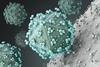
NewsDeveloping a globally-applicable HIV cure
A new assay has been developed which enables the detailing of intact proviral genomes of under-studied HIV strains.
-
 News
NewsPredicting pancreatic cancer metastasis
Molecular, cellular and metabolic analyses of liver biopsies identified markers that may predict subsequent metastasis of pancreatic cancer.
-
 News
NewsXCL1 could mitigate psychiatric condition risk in offspring
Adult anxious behaviour in offspring may be related to the early life proinflammatory state caused by the absence of elevated XCL1.
-
 News
NewsPotential for personalised, molecularly guided UTUC treatments
The findings from DNA and RNA sequencing in primary and metastatic UTUC tumours could lead to strategies to improve patient outcomes.
-
 News
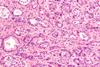
NewsTargets for pancreatic cancer treatment found
Using tumour organoids, researchers have found a starting point for the development of a more refined PDAC drug.
-
 News
NewsMajor lung cancer mechanism can be used to evade immune attack
US researchers found high levels of XBP1s in lung cancer cells, which plays a key part in regulating the local immune environment in lung tumours, and can be disabled to increase anti-cancer immunity
-
 News
NewsNew method precisely locates gene activity and proteins across tissues
The scientists argue the technique enables the creation of complex, data-rich “maps” of organs, including diseased organs and tumours, which could be widely useful in pre-clinical research.