



All Assays articles – Page 5
-
 Article
Mass spectrometry workflows powering the future of biologics
Analysing complex biologics is one of drug discovery’s biggest challenges. At Genentech, Rachel Shi is developing MS workflows that deliver clearer answers, faster.
-
 Article
Accessible automation may change your day-to-day sooner than you think
Automation is fast and precise, but too often expensive and hard to use. Now modular, DIY tools are breaking down barriers and putting lab automation in every researcher’s hands.
-
 Article
From data to therapy: emerging tech driving cancer drug discovery
Multiomics, AI and liquid biopsies are giving researchers real-time insight into tumour biology and enabling more personalised cancer therapies. Find out how these technologies are advancing biomarker discovery, improving patient stratification, and guiding the design of new treatments.
-
 Article
Inside Zasocitinib: a new model for TYK2 inhibition in immune-mediated diseases
Zasocitinib is a highly selective, investigational TYK2 inhibitor developed to target immune-mediated diseases with fewer off-target effects than traditional JAK inhibitors. This article explores its mechanism, selectivity data and clinical progress.
-
 Article
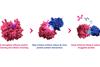
The science behind the systematic discovery of molecular glues
For decades, molecular glues have been stumbled upon rather than designed. A new scientific approach is now changing that – expanding what is considered druggable.
-
 Article
Why scientists are targeting the gut to treat peanut allergy
A new oral immunotherapy could change how peanut allergy is treated, targeting the gut to retrain the immune system and reduce the risk of life-threatening reactions. INP20’s nanoparticle technology promises a safer, more precise approach that could replace lifelong avoidance with lasting tolerance.
-
 News
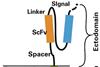
NewsAnti-linker antibodies: a universal key for CAR-T detection
Every new CAR-T needs a new detection tool – until now. Anti-linker antibodies could change how researchers develop and track these therapies.
-
 Article
Better assays: the key step in moving drugs from lab to clinic
From gene therapy to Long Covid, better assays are helping researchers move promising drug candidates from early studies into clinical trials. Dr Alexandre Lucas explains the technologies, challenges and innovations driving this progress.
-
 Article
Advancing antiviral therapeutics for immunocompromised populations
With few antiviral options available to immunocompromised patients, a new generation of therapies - like AIC468 - is aiming to change that.
-
News
Single-cell technique tracks boron in live tumour cells
Researchers at the University of Birmingham have developed a single-cell technique to track boron inside live tumour cells – making Boron Neutron Capture Therapy more effective in treating head and neck cancers.
-
 News
NewsNew SMART tool maps RNA modifications to tackle cancer and infections
Researchers have developed the first high-throughput tool to rapidly profile RNA modifications – a breakthrough that could lead to more precise treatments for cancer and antibiotic-resistant infections.
-
 Article
AI meets human tissue to fast-track precision medicine development
By combining human tissue models with explainable AI, researchers can analyse complex patient data to identify which treatments work best for which patients. First applied to inflammatory bowel disease, this approach could improve clinical trial success rates across many diseases.
-
 Article
Lab of the future: four technologies to watch
From precision proteomics to AI-powered immune profiling, next-generation laboratory technologies are changing how new therapies are discovered and developed. Here are four innovations set to shape the lab of the future - and the future of drug discovery.
-
 News
NewsAI designs new antibiotics to take on drug-resistant superbugs
Penn engineers have built an AI model that creates new antibiotics – and early tests show some work as well as existing approved drugs.
-
 News
NewsNew nanostructure makes CRISPR edits safer and three times faster
Northwestern University researchers have created DNA-coated nanoparticles that deliver CRISPR into cells three times more effectively while reducing toxicity. The advance could overcome one of the biggest barriers to gene-editing therapies.
-
 News
NewsThree powerful antibodies discovered with potential to treat mpox
Researchers at Mount Sinai have identified three antibodies that target mpox and prevent severe disease in vivo. The work positions A35-specific antibodies as candidates for therapeutic development.
-
 Article
Inside the search-and-develop model tackling 1,000 untreated skin diseases
With over 1,000 skin diseases lacking approved treatments, a search-and-develop model is changing how new therapies are sourced and developed. Chief Scientific Officer, Jacob Pontoppidan Thyssen, outlines the strategy behind it.
-
 Article
Inside the Alzheimer’s study backing stem cells, not drugs
In this first-in-human Alzheimer’s study, Wnt-activated autologous stem cells are delivered intracerebroventricularly (directly into the brain) to address neuronal loss, while also reducing amyloid and tau biomarkers and improving cognition. Early data from this regenerative approach could help early drug discovery teams shape target selection, biomarker development and trial design.
-
 Article
Consumables engineered for speed and reproducibility in drug discovery
What if familiar lab formats could be redesigned to remove the weak points in permeability and absorbance testing? This article explores how design choices in common consumables can improve both speed and reproducibility in early-stage research.
-
 News
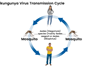
NewsChikungunya’s 2025 surge sparks urgent research response
The 2025 chikungunya outbreak has surged from the Indian Ocean to Europe, prompting an urgent global research response. With no antivirals and limited vaccine access, laboratories and biotech firms are under pressure to deliver solutions fast.