



All Assays articles
-
 News
NewsNew insulin assay speeds up GLP-1 drug candidate testing
A newly developed insulin assay reduced testing time from four hours to around one hour in an evaluation of GLP-1 receptor agonist candidates, delivering comparable results to an established method.
-
 Article
Earlier MSA detection could guide alpha-synuclein drug discovery
MSA and Parkinson’s share the same protein pathology, yet MSA progresses far faster. Could earlier detection reveal why and help researchers identify more effective targets for drug discovery?
-
 News
Newsbit.bio launches refined human astrocyte model for neurotoxicity assessment
Cambridge biotech bit.bio has released ioAstrocytes 2.0, a genetically matched human astrocyte model designed to support functional neuroscience research and earlier assessment of seizure liability and neurotoxicity in drug development.
-
 News
NewsMALVINA machine learning platform reveals how bacteria behave inside human cells
A new machine learning-based platform called MALVINA measures bacterial invasion, intracellular accumulation and DNA damage at single-cell resolution, exposing infection dynamics that conventional assays cannot detect.
-
 Article
Induced proximity drugs – why complex formation is not enough
A drug can form exactly the complex it was designed to make and still fail to work. Two recently approved induced proximity drugs show why what happens after complex formation – not formation alone – can decide the outcome.
-
 Webinar
Cracking cell dynamics with single-cell proteomics and CRISPR
What can pooled CRISPR screening and protein‑level readouts reveal that transcriptomics alone can’t? Explore how single‑cell genomic perturbations, intracellular protein measurements and surface‑protein profiling expose signalling pathways and clarify antibody specificity.
-
 Webinar
From antibody discovery to development: long-read sequencing in practice
As sequencing continues to grow in importance across biotherapeutic discovery and development, where can it make the biggest impact and how can fragmented workflows be overcome?
-
 Article
Six assay requirements every researcher using NAMs should know
As NAMs become more widely used in drug discovery, assays must meet the demands of more complex models. Discover six requirements for reliable, reproducible and biologically meaningful data.
-
 Webinar
Meeting ethical & regulatory requirements when using human biological specimens
Whether you source, purchase or work with human biospecimens, understanding today’s ethical and regulatory expectations is essential. Join this webinar to explore informed consent, privacy and the principles that support responsible research.
-
 Article
From R&D to QC: building a single analytical strategy for cell and gene therapies
From early research to quality control, maintaining analytical continuity is no easy task. Could a single sequencing workflow help simplify analytical assessment?
-
 Article
Antibody recycling, FcRn and the next generation of biologics
One receptor can protect antibodies from degradation, extend their half-life and become a drug target itself. Explore the science behind FcRn and how researchers measure its function.
-
 Article
Drug development has changed. Bioanalysis is changing with it
As drug developers pursue increasingly complex therapies, traditional bioanalytical approaches are being put to the test. How is the field adapting to meet these new demands?
-
 Article
Small tags, big advances: studying endogenous proteins in their native context
By combining CRISPR knock-in with small peptide tags, researchers can study proteins in their native cellular context, generating more predictive data for translational drug discovery.
-
 Article
Flow-based human tumour models reveal immune responses missed by static culture
Static cultures can miss critical immune–tumour interactions. Learn how the Mera™ flow-based human tissue model better captures T-cell activity to strengthen preclinical immunotherapy research.
-
 News
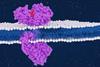
NewsAI-designed miniproteins target GPCRs in drug discovery
GPCRs account for a significant proportion of approved drug targets, yet selectively controlling their activity remains a major challenge. Researchers have now used AI-assisted protein design to create miniproteins capable of activating or inhibiting these receptors, providing an alternative strategy for targeting this important class of membrane proteins.
-
 News
NewsMetabolic vulnerabilities identified in rare Fibrolamellar liver cancer
Researchers have identified metabolic vulnerabilities in Fibrolamellar cancer, a rare liver malignancy affecting adolescents and young adults, using functional profiling and mass spectrometry. The findings suggest chemotherapy-resistant tumours may be susceptible to metabolism-targeted therapies.
-
 Article
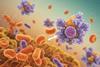
When antibiotics are not enough: the case for immune-engaging therapies
As antimicrobial resistance grows and patient populations become more complex, the limitations of antibiotics are becoming harder to ignore. Dr Helen Bright, CSO at Centauri Therapeutics, discusses a new approach that targets both the pathogen and the host.
-
 Article
One sample. One shot. The pressure on sample preparation in drug discovery
In drug discovery, a failed sample run is not just a setback – it can mean months of lost work and significant cost. At Analytica 2026, three Eppendorf experts explain how the right tools, workflows and mindset are changing that.
-
 Article
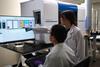
When scale meets insight: reinventing SPR for the future of drug discovery
Carterra’s new 48-channel SPR platform reimagines throughput, automation and data quality for modern discovery workflows.
-
 News
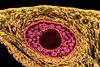
NewsOvarian follicles provide new platform for angiogenesis research
A novel microphysiological system using ovarian follicles enables physiologically relevant three-dimensional angiogenesis modelling within 24 hours, offering improved drug screening capabilities that distinguish therapeutic effects from general toxicity.