



All Drug Discovery Processes articles – Page 10
-
 News
NewsBrain drainage repair offers potential new prevention therapies for Alzheimer’s
UVA researchers have discovered a potential treatment approach that restores the brain’s natural drainage system, offering hope for preventing traumatic brain injury-related neurodegeneration.
-
 Article
Building better biologics and a stronger future for women in STEM
Great biologics don’t happen by chance, and neither do great STEM careers. Dr Lidia Serina shares the lessons behind both.
-
 News
NewsHydrogel tech enables global shipping of organoid models
A partnership between Atelerix and Cherry Biotech is enabling the shipping of complex biological models worldwide, using hydrogel preservation technology to eliminate cold-chain logistics.
-
 News
NewsNew AI model links genetic mutations to specific diseases
Scientists have developed a new artificial intelligence tool that can identify harmful genetic mutations and predict the types of diseases they are likely to cause, offering faster diagnosis and new opportunities for drug discovery.
-
 Webinar
The truth about AI in drug discovery: what the experts really think
AI is transforming drug discovery - but beyond the hype, what’s actually delivering results? In this expert-led webinar, industry leaders explore where AI is accelerating target identification, molecule design and hit discovery, while also confronting the real-world challenges of data quality, validation and adoption. Discover what’s working today, what still ...
-
 News
NewsCBD and THC show anti-cancer effects against ovarian tumours
New research suggests cannabis compounds CBD and THC could offer a new approach to treating ovarian cancer.
-
 News
NewsFertility gene PRDM9 linked to relapse in glioblastoma
A study by University of Sydney scientists has discovered why patients with glioblastoma often relapse, identifying a hidden population of cancer cells that hijack a fertility gene to survive chemotherapy.
-
 Article
The future of obesity drugs starts in preclinical discovery
Progress in preclinical models and biomarker science is improving early-stage obesity drug development. This article outlines the emerging targets and technologies behind this shift.
-
 News
NewsAI-powered CKD drug ISM4808 licensed for kidney disease therapy
Insilico Medicine has partnered with TaiGen Biotechnology to exclusively license its AI-designed PHD inhibitor, ISM4808, for the treatment of CKD-related anaemia in Greater China.
-
 News
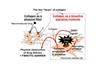
NewsInhibiting DDR1 pathway helps breach pancreatic cancer’s drug barrier
Scientists in Japan have identified a way to weaken the dense fibrotic barrier that prevents drugs from penetrating pancreatic tumours – a promising new strategy that could improve treatment for pancreatic cancer.
-
 Article
RNA that lasts longer and lands exactly where it should
RNA therapies are moving past burst-and-fade limits. New advances in circular RNA and targeted delivery could transform how we treat autoimmune disease, infections and beyond.
-
 News
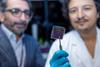
NewsNew Spheromatrix platform speeds up cancer drug research
Researchers at NYU Abu Dhabi have developed a cheap, paper-based platform that allows tumour models to be grown, frozen and stored for future cancer drug testing – called Spheromatrix.
-
 News
NewsPlatelet-inspired nanoparticles could improve treatment of inflammatory diseases
Scientists have developed platelet-inspired nanoparticles that deliver anti-inflammatory drugs directly to brain-computer interface implants, doubling their effectiveness.
-
 Article
Protein folding interference: a new path to hard-to-drug targets
Protein folding interference offers access to targets long considered unreachable by traditional drug discovery. By acting on transient folding intermediates, this approach presents a new opportunity to eliminate disease-driving proteins.
-
 News
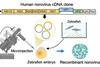
NewsNew reverse genetic system accelerates norovirus vaccine research
Researchers at The University of Osaka have developed a new system to study human norovirus, with the hope of being able to develop vaccines and antiviral treatments faster.
-
 News
NewsNew beta lab platform to streamline early-stage research
UK life science software company Lab Thread has launched the beta of its unified lab platform, designed to streamline research workflows.
-
 News
NewsLive-cell liquid biopsy study aims to transform cancer treatment
Vortex Liquid Biopsy Solutions has launched a new clinical study with The Doctors Laboratory to assess how its live-cell liquid biopsy technology could change cancer monitoring and treatment.
-
 News
NewsLife sciences face ‘scientific content crisis’ in AI adoption
A new survey by the Pistoia Alliance reveals a growing ‘scientific content crisis’ in life sciences, showing that incomplete data and weak governance are limiting the accuracy and adoption of AI in research and development.
-
 News
NewsTY1: new experimental drug restores tissue after heart attack
Scientists have developed an experimental RNA-based drug, TY1, that repairs DNA, reduces scar tissue and could lead to new treatments for heart attacks and autoimmune diseases.
-
 News
NewsBlocking the P2X4 receptor: a potential pathway to new therapies
Researchers have discovered how to inhibit the P2X4 receptor, a key protein linked to chronic pain, inflammation and certain cancers.