A study by University of Sydney scientists has discovered why patients with glioblastoma often relapse, identifying a hidden population of cancer cells that hijack a fertility gene to survive chemotherapy.
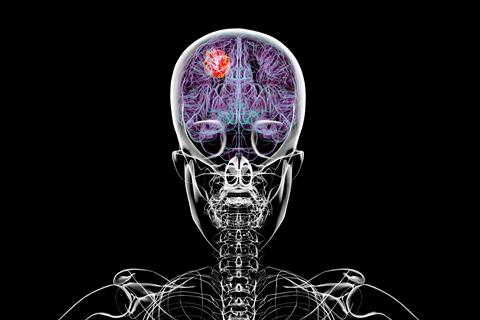
Scientists at the University of Sydney have discovered a previously unknown mechanism that may explain why glioblastoma usually returns after treatment. The discovery could provide scientists with crucial information which could inform the development of new therapies.
Glioblastoma has a median survival time of just 15 months. Despite surgery, radiation and chemotherapy, more than 1,250 clinical trials over the past two decades have failed to significantly improve outcomes. Recurrence is so common that it is considered almost inevitable.
A hidden population of cancer cells
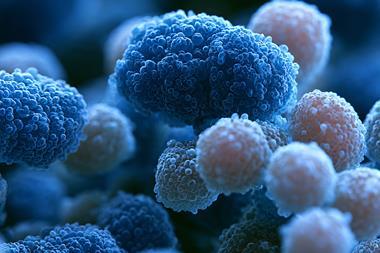
This new research reveals that a small group of drug-tolerant cancer cells, known as ‘persister cells’, can survive chemotherapy by rewiring its metabolism. The researchers showed that these cells hijack a gene normally associated with fertility, called PRDM9, to protect themselves from treatment.
This new research reveals that a small group of drug-tolerant cancer cells, known as ‘persister cells’, can survive chemotherapy by rewiring its metabolism.
“This is a world-first discovery that changes what we know about glioblastoma,” said lead author Professor Lenka Munoz from the Charles Perkins Centre at the University of Sydney. “By uncovering how these cancer cells recruit a fertility gene to survive treatment, we’ve opened the door to new approaches that we hope could lead to safer, more effective therapies.”
PRDM9 was previously thought to be active only in reproductive cells during the earliest stages of egg and sperm formation. Its involvement in cancer has never been reported before.
Why treatment fails
Glioblastoma accounts for around half of all brain tumours and kills up to 200,000 people worldwide each year. Even after aggressive treatment, small numbers of cancer cells remain hidden in the brain which clinicians refer to as ‘minimal residual disease’.
“For patients and their families facing glioblastoma, recurrence is inevitable. This research offers hope for new strategies in the future where none existed,” said Professor Munoz, who co-led the study with Dr George Joun from the School of Medical Sciences.
The researchers found that under the stress of chemotherapy, glioblastoma cells use PRDM9 to drive cholesterol production. This process helps persister cells survive damage and regrow the tumour.
New treatment strategies under investigation
By blocking PRDM9 or cutting off the cholesterol supply, the team was able to eliminate persister cells in laboratory experiments and animal models. When combined with chemotherapy, this approach significantly improved survival in mice.
If we can eliminate the last cancer cells standing, we can stop glioblastoma from returning. That would be a game changer for patients and families.
The researchers also developed a new brain-penetrant chemotherapy drug, known as WJA88, and paired it with a cholesterol-lowering agent that has already been tested in humans. Together, the drugs shrank tumours and extended survival in preclinical studies with minimal side effects.
“PRDM9 isn’t active in most normal tissues, which makes it an incredibly selective and promising target for cancer therapy,” said Dr Joun. “If we can eliminate the last cancer cells standing, we can stop glioblastoma from returning. That would be a game changer for patients and families.”
Looking beyond glioblastoma
The team is now collaborating with Australian biotechnology company Syntara to develop PRDM9 inhibitors for further testing in animals, with the long-term aim of progressing to human studies.
The researchers believe the same mechanism may operate in other hard-to-treat cancers, including ovarian cancer, which they plan to study next.
“Cancer relapse is one of the biggest challenges in oncology. Our research shows that by directly targeting persister cells, relapse may be preventable in preclinical models,” said Professor Munoz.



Topics
- Cancer
- Chemotherapy
- Disease Research
- Dr George Joun (the School of Medical Sciences)
- Drug Development
- Drug Discovery
- Drug Discovery Processes
- Drug Targets
- In Vivo Testing
- Molecular Biology
- Neurological disorders
- Oncology
- Professor Lenka Munoz (the Charles Perkins Centre at the University of Sydney)
- Small Molecules
- Sydney University
- Syntara
- Translational Science