A new CAR-T treatment developed in Switzerland has shown striking early success against glioblastoma, one of the deadliest brain cancers, and is now moving towards human trials.

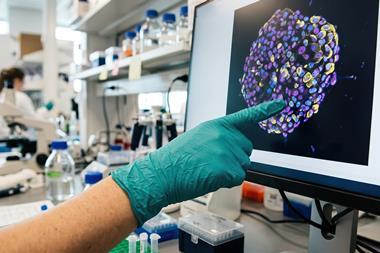
Scientists from the University of Geneva (UNIGE) and the Geneva University Hospital (HUG) have developed a new form of CAR-T cell therapy capable of destroying glioblastoma cells. The researchers reported a breakthrough in an animal model that could now lead to human clinical trials, helping to fight one of the deadliest forms of brain cancer with five-year survival rate of less than 5 percent.
A cancer resistant to existing immunotherapy
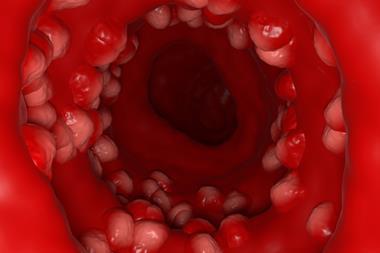
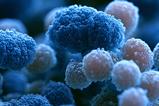
Glioblastoma typically forms as a mass in the brain composed of tumour cells and various supporting cells. Unlike other cancers that respond to immunotherapy, such as melanoma or some lung cancers, glioblastoma contains very few T cells – the immune system’s main cancer-fighting cells.
Glioblastoma typically forms as a mass in the brain composed of tumour cells and various supporting cells.
‘‘However, glioblastoma is unique in that it contains very few T cells, the immune cells that are able to recognise cancer cells and destroy them,’’ explains Valérie Dutoit of the UNIGE Faculty of Medicine’s Department of Medicine and Translational Research Centre in Onco-Haematology (CRTOH). ‘‘This is why glioblastoma, unlike melanoma or certain lung cancers, for example, does not respond to standard immunotherapies. Our approach is therefore to provide the patient with the missing T cells by generating them in the laboratory.”
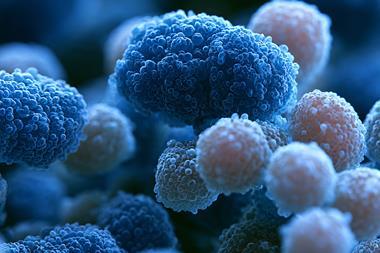
CAR-T cell therapy, widely used in some blood cancers, involves collecting a patient’s T cells, genetically modifying them to recognise tumour-specific markers, and re-injecting them. Yet identifying safe and effective targets in the highly heterogeneous environment of glioblastoma has been a major challenge for scientists.
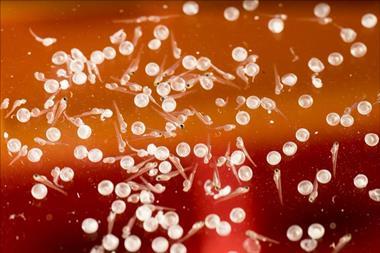
 A real-time imaging experiment (images taken at 0, 5 and 10 minutes) shows a CAR-T cell in contact with a glioblastoma cell (artificially marked in green). Credit: © Denis Migliorini[/caption]
 Targeting the tumour environment
Professor Denis Migliorini, also of UNIGE and head of the neuro-oncology unit at HUG, describes earlier research identifying an important glioblastoma-related marker: PTPRZ1.
“In a previous study, we identified an important target, the PTPRZ1 marker, which is present on the surface of certain tumour cells. However, attacking glioblastoma on a single target is not enough to avoid the risk of relapse.”
In a previous study, we identified an important target, the PTPRZ1 marker, which is present on the surface of certain tumour cells.
The team has now added a second, complementary target: Tenascin-C (TNC). This protein forms part of the extracellular matrix – the ‘jelly’ surrounding tumour cells. By engineering CAR-T cells to attack Tenascin-C, the researchers triggered inflammatory reactions that kill the cells producing it.
‘‘Furthermore, we have been able to demonstrate that CAR-T cells are capable of locally destroying cancer cells that do not produce Tenascin-C, which amplifies their activity without any risk of deleterious effects on healthy cells,” said Migliorini.
Tackling resistance and planning human trials
A major barrier in CAR-T therapies is the rapid exhaustion of the engineered cells, which limits their impact. ‘‘By identifying three markers of cell exhaustion and counteracting their activity, we were able to significantly prolong the efficacy of CAR-T cells in mice with glioblastoma used as models of the human disease,” said Valérie Dutoit.
With strong pre-clinical results, the researchers are preparing to move into clinical trials, with the goal to generate genetically modified immune cells against several targets at once. The hope is that this will be able to reach as many cancer cells as possible. The trial, expected to begin within a year in Geneva and Lausanne, will tailor CAR-T cells to each patient to eradicate as many cells as possible, even when facing tumour heterogeneity.


Topics
- Cancer
- Cell & Gene Therapy
- Chimeric Antigen Receptors (CARs)
- Drug Development
- Drug Discovery Processes
- Drug Targets
- Immuno-oncology
- Molecular Biology
- Neurological disorders
- Oncology
- Professor Denis Migliorini (head of the neuro-oncology unit at HUG)
- T Cells
- the Geneva University Hospital
- the University of Geneva
- Translational Science
- Valérie Dutoit (the UNIGE Faculty of Medicine’s Department of Medicine and Translational Research Centre in Onco-Haematology)