



All Drug Discovery Processes articles – Page 23
-
 Article
What single cells are revealing about brain disorders
Single-cell and spatial technologies are giving researchers an unprecedented view of how brain diseases like Alzheimer’s really work. The result? Faster discovery, clearer targets and a new path towards more effective treatments.
-
 News
NewsRapid cell reprogramming creates lung-like cells to combat COPD
Scientists from Nagoya University have developed a fast and safe method to create lung cells from skin-like fibroblasts - without using stem cells. This technique could allow for new regenerative therapies for diseases like chronic obstructive pulmonary disease (COPD).
-
 News
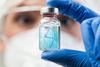
NewsSlowing intracellular transport boosts potential for RNA therapies
Researchers at the University of Basel and Roche have discovered that slowing the intracellular transport of RNA-based drugs significantly improves their therapeutic impact.
-
 Article
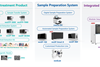
Smart automation for every lab, not just big pharma
Drug Target Review spoke with Giancarlo Basile at SLAS Europe 2025 about MGI’s bold shift from sequencing specialist to automation partner – helping research companies of all sizes achieve accuracy, speed and reproducibility.
-
 Article
Fixing drug discovery’s most persistent problem with AI
AI will not replace drug discovery, but it might finally fix one of its most frustrating bottlenecks. Read how a targeted approach to ADMET is cutting through the noise.
-
News
New mouse model mimics rare GRIN2D disorder
Researchers at Tel Aviv University have developed a new mouse model that accurately mimics a rare and severe genetic disorder caused by mutations in the GRIN2D gene – allowing for study of the disease’s progression and the testing of potential drug therapies.
-
 News
NewsLINC01235 identified as driver of aggressive breast cancer
Researchers at Cold Spring Harbor Laboratory have demonstrated that an obscure RNA molecule, LINC01235, plays a crucial role in the progression of aggressive triple-negative breast cancer (TNBC) – potentially allowing for the development of targeted therapies against it.
-
 News
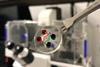
NewsLeukaemia-on-a-chip mimics bone marrow for better CAR T testing
A new “leukaemia-on-a-chip” device replicates human bone marrow and immune interactions, enabling researchers to observe CAR T cell therapies in action - potentially allowing for more personalised treatment strategies for leukaemia patients.
-
 News
NewsQTX153 reverses Rett symptoms and crosses key drug delivery barrier
QTX153, a novel HDAC6 inhibitor, has shown significant symptom reversal in preclinical models of Rett syndrome. This represents progress toward a therapy for a condition with no approved options.
-
 Article
How dual-targeting ADCs aim to tackle resistance
Find out how dual-target ADCs and tumour-specific Treg depletion are shaping the next wave of targeted cancer therapies.
-
 News
NewsSmall molecule therapy improves islet transplant success in diabetes
A study from Weill Cornell Medicine shows that pre-treating pancreatic islet cells with a small molecule cocktail significantly improves survival after transplantation in type 1 diabetes models. The approach could help make donor cells go further and transplants more efficient.
-
 News
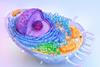
NewsVirtual cell model rankings just got a major upgrade
Shift Bioscience has published a new study introducing enhanced metrics and baselines for evaluating virtual cell models - boosting gene target discovery and accelerating its rejuvenation therapeutics pipeline.
-
 Article
Machine Learning and AI in Enhancing Image Analysis of 3D Samples
Want to understand the real impact of AI in 3D sample analysis? This episode cuts straight to how machine learning is accelerating research and overcoming current limitations.
-
 Article
Time for change: non-human primates in drug research
As ethical pressures and new regulations shake up preclinical research, the industry faces a turning point: can we finally move beyond non-human primates? Dr Mariana Argenziano, Associate Director Manufacturing Technologies at Ncardia, discusses the innovations reshaping drug development and what’s coming next.
-
 News
NewsNew data backs Myo4 for obesity treatment
MitoRx Therapeutics has announced new preclinical data for its small molecule Myo4, showing restored insulin sensitivity and enhanced fat loss with muscle preservation in an obesity model - offering a potential alternative to GLP-1-based therapies.
-
News
FGF19 hormone could be the key to new obesity treatments
A hormone produced in the gut, FGF19, has been shown to act directly on the brain to boost energy expenditure, burn fat and improve blood sugar control in obese mice - offering a potential route for developing new obesity therapies.
-
 News
NewsLiver organoids grow functional blood vessels in lab breakthrough
Scientists have successfully grown liver organoids with fully functional blood vessels- potentially allowing for the development of new treatments for haemophilia and liver disease.
-
 News
NewsSOD1 protein found to trigger treatable Parkinson’s progression
Scientists at the University of Sydney have discovered a malfunctioning brain protein linked to Parkinson’s - which could lead to new therapies for the debilitating condition in the future.
-
 Article
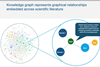
Future-proofing drug development with GenAI
Using GenAI and expert reasoning, drug developers can now explore an asset’s long-term potential as early as the preclinical stage. This shift is helping to reshape pipeline planning and refine therapeutic strategy.
-
 News
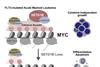
NewsDisabling the SETD1B enzyme halts leukaemia cell growth
Japanese researchers have identified the epigenetic enzyme SETD1B as a key driver of aggressive acute myeloid leukaemia (AML) – which could lead to new treatment strategies targeting the cancer’s underlying biology in the future.