



All Drug Discovery Processes articles – Page 4
-
 News
NewsHibernator liver organoids reveal strategy to improve transplant survival
Researchers have created liver organoids from hibernating Syrian hamsters, revealing how these cells survive cold storage - a discovery that could improve liver transplant success.
-
 News
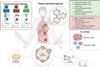
NewsTiny models, powerful insights: how organoids are driving precision oncology
A new review has highlighted how three-dimensional organoid models are transforming cancer research by replicating the complexity of human tumours – bringing precision oncology closer to the clinic.
-
 News
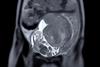
NewsSevere flu during pregnancy compromises placental and brain barriers
Severe flu in pregnancy may weaken the placenta and foetal brain, allowing harmful molecules to leak in and disrupt development, a new study finds
-
 News
NewsRegistration for ELRIG’s Drug Discovery 2025 closes on 30 September
Registration for ELRIG’s Drug Discovery 2025 will close on 30 September. The free to attend conference, held on 21–22 October in Liverpool, will bring together thousands of scientists, exhibitors and expert speakers.
-
 News
NewsMapping lung disease: new atlas to accelerate drug discovery
Helmholtz Munich and Parse Biosciences have collaborated to create the world’s largest lung disease perturbation atlas – which could aid the discovery of new therapeutic targets and accelerate the development of future lung disease treatments.
-
 News
NewsSoil’s hidden bacteria could hold future antibiotic breakthroughs
Researchers have unlocked the genetic secrets of soil’s hidden bacteria, discovering hundreds of previously unknown genomes and two promising new antibiotics.
-
 News
NewsAI designs new antibiotics to take on drug-resistant superbugs
Penn engineers have built an AI model that creates new antibiotics – and early tests show some work as well as existing approved drugs.
-
 News
NewsThree powerful antibodies discovered with potential to treat mpox
Researchers at Mount Sinai have identified three antibodies that target mpox and prevent severe disease in vivo. The work positions A35-specific antibodies as candidates for therapeutic development.
-
News
New imaging technique tracks obesity drug tirzepatide in cells
Scientists have developed fluorescent probes that reveal how dual agonist drugs like tirzepatide target cells in the pancreas and brain, offering new insights into diabetes and obesity treatments.
-
 News
NewsKidney organoids reveal hidden toxicities in AAV gene therapy
Stem cell-derived kidney organoids have revealed hidden toxicities in adeno-associated virus (AAV) gene therapy delivery – offering a powerful new way to improve the safety of future treatments.
-
 Article
What if drug discovery took months, not decades?
Drug discovery is slow, costly and often unsuccessful. DTR hears how GATC Health is applying AI and multiomics to make the process faster, more precise and less reliant on trial and error.
-
 News
NewsLithium deficiency identified as key Alzheimer’s trigger
New research from Harvard Medical School shows that natural lithium deficiency in the brain may be a key early factor driving Alzheimer’s disease – which allow for the development of new approaches to preventing and reversing cognitive decline.
-
 Article
How AI is quietly changing drug manufacturability
AI is moving beyond drug design to answer a critical question: can a promising compound actually be manufactured at scale? By predicting synthetic feasibility early, machine learning tools are helping drug developers avoid costly failures, streamline R&D and design molecules that are both effective and practical to produce.
-
 News
NewsAI-driven Alzheimer’s therapies show promise in early studies
Porosome Therapeutics has announced new advancements in Alzheimer’s treatment – presenting therapies that restore neuronal function, reduce Tau protein levels and reverse disease pathology in human brain organoids.
-
 News
NewsNew drug combo targets PRMT5 to fight deadly cancers
Scientists at Virginia Tech’s Fralin Biomedical Research Institute have identified a promising drug target – PRMT5 – that could make treatment-resistant lung, brain and pancreatic cancers more vulnerable to therapy.
-
 News
NewsHow a PRL3-targeting cancer drug could help millions see again
Singapore researchers have found that cancer drug PRL3-zumab shows strong potential for treating wet age-related macular degeneration and diabetic retinopathy - two leading causes of blindness worldwide.
-
 News
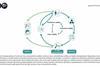
NewsNew standards for brain organoids aim to boost drug discovery
A new international framework introduces rigorous validity standards for the use of brain organoids and iPSC-derived models in studying neuropsychiatric disorders. These guidelines aim to accelerate drug discovery and bring precision treatments closer to reality.
-
 News
NewsMicroglia replacement halts ALSP progression in landmark trials
Scientists from Fudan University have halted the progression of ALSP, a rare and fatal brain disease, using a pioneering microglia replacement therapy - marking the first effective clinical approach to tackling the disease.
-
 News
NewsLINC01235 identified as driver of aggressive breast cancer
Researchers at Cold Spring Harbor Laboratory have demonstrated that an obscure RNA molecule, LINC01235, plays a crucial role in the progression of aggressive triple-negative breast cancer (TNBC) – potentially allowing for the development of targeted therapies against it.
-
 News
NewsLeukaemia-on-a-chip mimics bone marrow for better CAR T testing
A new “leukaemia-on-a-chip” device replicates human bone marrow and immune interactions, enabling researchers to observe CAR T cell therapies in action - potentially allowing for more personalised treatment strategies for leukaemia patients.