



All Drug Discovery Processes articles – Page 3
-
 News
NewsUltra-stable hydrogel boosts gastrointestinal wound repair
PolyU researchers have developed a new acid-resistant hydrogel inspired by natural gastric mucus that adheres far better than current treatments.
-
 News
NewsParkinson’s: new study rethinks dopamine’s role in movement
A new study is challenging long-held beliefs about dopamine’s role in movement, revealing new insights into how Parkinson’s disease treatments work and pointing towards more targeted future therapies.
-
 News
NewsHydrogel tech enables global shipping of organoid models
A partnership between Atelerix and Cherry Biotech is enabling the shipping of complex biological models worldwide, using hydrogel preservation technology to eliminate cold-chain logistics.
-
 News
NewsNew AI model links genetic mutations to specific diseases
Scientists have developed a new artificial intelligence tool that can identify harmful genetic mutations and predict the types of diseases they are likely to cause, offering faster diagnosis and new opportunities for drug discovery.
-
 News
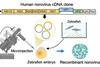
NewsNew reverse genetic system accelerates norovirus vaccine research
Researchers at The University of Osaka have developed a new system to study human norovirus, with the hope of being able to develop vaccines and antiviral treatments faster.
-
 News
NewsWhy TIGIT cancer therapies work in monkeys but not humans
A new study reveals that TIGIT, a key immune checkpoint targeted by cancer drugs, behaves differently in rhesus macaques and humans, suggesting current animal tests may be misleading drug development.
-
 News
NewsTargeting p300 may boost immunotherapy in kidney cancer
Researchers have discovered how renal medullary carcinoma cells evade immunotherapy by mimicking immune cells, driving rapid tumour progression.
-
 News
NewsOral arginine reduces harmful amyloid in Alzheimer’s models
A naturally occurring amino acid commonly found in supplements has reduced harmful amyloid build-up and eased symptoms in animal models of Alzheimer’s disease.
-
 News
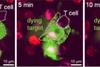
NewsNew CAR-T cell therapy capable of destroying glioblastoma cells
A new CAR-T treatment developed in Switzerland has shown striking early success against glioblastoma, one of the deadliest brain cancers, and is now moving towards human trials.
-
 News
NewsRecycled nuclear fuel to power new cancer treatments in the UK
The UK is set to turn recycled nuclear fuel into new cancer treatments, thanks to a £18.8 million investment in a project using lead-212 to develop Targeted Alpha Therapies.
-
 News
NewsNew study shows ageing may help prevent cancer growth
Scientists at Stanford University have discovered that older mice develop far fewer and less aggressive lung tumours than younger ones, challenging the long-held belief that cancer risk rises with age.
-
 News
NewsCRISPR epigenetic ‘switch’ provides new way to control memory
For the first time, researchers have demonstrated that flipping an epigenetic ‘switch’ in memory cells can directly control whether a memory is expressed or silenced, offering new insights into how memories are stored and potentially altered.
-
 News
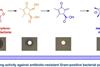
NewsNew antibiotic discovery could help tackle antimicrobial resistance
Scientists have discovered a powerful new antibiotic hidden within the compound pre-methylenomycin C lactone, which shows real effectiveness against drug-resistant infections such as MRSA and VRE.
-
 News
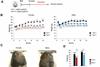
NewsTRF1 protein identified as potential obesity drug target
Researchers have discovered that removing a telomere-protecting protein, TRF1, makes mice leaner and metabolically healthier without shortening their telomeres, potentially leading to new methods for tackling obesity and age-related diseases.
-
 News
NewsNew gene therapy restores brain function in SYNGAP1 disorder
Scientists have developed a new gene therapy that reversed symptoms of SYNGAP1-related brain disorders in mice, which could lead to new treatments for this group of neurological conditions.
-
 News
NewsHow smoking and alcohol shape mutations in our DNA
Researchers have refined a cutting-edge DNA sequencing tool that reveals how mutations accumulate in healthy tissues as we age, offering insights into the earliest stages of cancer development.
-
 News
Newsc-Kit helps sweet cells survive and regenerate taste
A new study has demonstrated that sweet-sensing taste cells, protected by the protein c-Kit, survive nerve injury and drive the regeneration of taste buds.
-
 News
NewsPemafibrate and telmisartan combo may reverse fatty liver
A new study shows that approved drugs, pemafibrate and telmisartan, when combined, can reduce liver fat and may lower cardiovascular risk in metabolic dysfunction-associated steatotic liver disease.
-
 Article
Beyond templates: advancing protein–protein interaction structure prediction with AI
Dr Alan Nafiiev evaluates template-based, docking and template-free approaches to PPI prediction, highlighting how AI can enhance structural accuracy.
-
 News
NewsHypoxia and EUDAL: the hidden drivers of oral cancer survival
A newly discovered RNA molecule, EUDAL, helps oral cancers survive chemotherapy by keeping a key growth protein permanently active. Researchers say targeting EUDAL could predict resistance and improve treatment outcomes.