



All Drug Discovery Processes articles – Page 2
-
 News
NewsNew SHANK3 conditional knockout mouse model launched for PMS research
A new SHANK3 conditional knockout mouse model from InnoSer, CureSHANK and Ozgene has been launched to advance research into Phelan-McDermid syndrome, other neurodevelopmental disorders and the development of new therapies.
-
 News
NewsNew paper warns against phasing out animal testing too quickly
A push by the US Food and Drug Administration to phase out animal testing in drug development could improve efficiency and reduce animal suffering, but experts warn that moving too quickly may pose risks to patient safety.
-
 News
NewsCC023 mice reveal how ALS can develop after viral infections
Researchers have discovered a mouse strain that mirrors ALS in humans following a viral infection, offering new insights into how the disease develops, potentially opening new pathways for early diagnosis and drug development.
-
 News
NewsTargeting cPLA2 enzyme may reduce brain inflammation in Alzheimer’s
Researchers have identified new drug candidates that selectively target the cPLA2 enzyme, a key driver of brain inflammation linked to Alzheimer’s disease, offering a potential new approach to reducing risk in people with the APOE4 gene.
-
 News
NewsScientists develop synthetic bacteriophages to fight drug-resistant bacteria
Scientists have developed the first fully synthetic method for building and reprogramming bacteriophages, offering a faster and safer route to designing virus-based treatments for drug-resistant bacteria.
-
 News
NewsBeige fat identified as potential target for blood pressure drugs
New research shows beige fat around blood vessels helps regulate blood pressure, offering potential pathways for future therapies to reduce cardiovascular risk.
-
 News
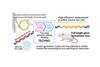
NewsNew TECHNO platform enables large-scale human gene integration in mice
Japanese researchers have developed a new gene-editing platform, TECHNO, that allows entire human genes – including regulatory regions – to be inserted into mice, allowing for better disease modelling and drug testing.
-
 News
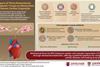
NewsMagnetic stimulation advances heart organoids for future therapies
Researchers have shown that applying magnetic forces to lab-grown human heart organoids enhances their maturation and vascular development, offering a more realistic model of early heart formation and the possibility of future cardiac therapies.
-
 News
NewsSchrödinger partners with Lilly TuneLab on AI drug discovery
Schrödinger has announced a collaboration with Eli Lilly’s TuneLab platform, integrating advanced AI-driven drug discovery workflows into its LiveDesign enterprise informatics system.
-
 News
NewsNew Type 2 diabetes drugs may improve insulin sensitivity
Scientists have used advanced computer modelling and lab techniques to design potential new diabetes drugs that improve insulin sensitivity.
-
 News
NewsNew Lumos AI platform targets precision in mental health drugs
Headlamp Health has launched Lumos AI®, a new decision-support platform designed to bring greater precision to neuroscience drug development.
-
 News
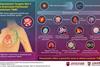
NewsPitavastatin identified as potential treatment for triple-negative breast cancer
A commonly prescribed cholesterol-lowering drug, called pitavastatin, could be used to treat patients with triple-negative breast cancer, after researchers found that it has the ability to block a key cancer survival protein.
-
 News
NewsPropofol and insulin may reduce cognitive decline in older age
New research from the University of Illinois suggests that widely used drugs, including propofol and intranasal insulin, could help protect ageing brains from memory decline and postoperative cognitive impairment.
-
 News
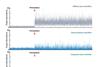
NewsControlling cellular noise may stop cancer and bacterial relapse
Scientists have developed a new mathematical ‘Noise Controller’ that can stabilise random cellular fluctuations, offering a potential breakthrough in preventing cancer recurrence and antibiotic resistance.
-
 News
NewsPolysaccharide microneedles: the future of cancer immunotherapy
Polysaccharide-based microneedles are emerging as a dual-action platform for cancer immunotherapy, delivering anti-cancer drugs directly to the skin while actively modulating the immune system.
-
 News
NewsHow aggressive breast cancer evades the immune system
Researchers in China have discovered a previously unknown mechanism that allows aggressive breast cancers to avoid immune attack, while simultaneously exposing a weakness that could make these tumours especially responsive to existing immunotherapy treatments.
-
 News
NewsBrain ‘master switch’ discovery could lead to new neurodegenerative therapies
Scientists have captured, for the first time, dynamic changes in a crucial neuronal ‘master switch’ inside the living brain, potentially informing new future treatments for neurodegenerative diseases.
-
 News
NewsBlocking PAF receptor could offer new liver cirrhosis treatment
Spanish researchers have discovered a key inflammatory mechanism that could lead to new innovative treatments to reduce liver damage and improve vascular function in cirrhosis.
-
 News
NewsExperimental drug NU-9 reduces toxic amyloid in early Alzheimer’s
A recently developed experimental drug, called NU-9, has shown promise in targeting a toxic form of amyloid beta – halting Alzheimer’s disease before symptoms appear.
-
 Article
Why patient-derived biology matters for ADC discovery
What can we learn from tumours after they stop responding to treatment? By studying patient tissue directly, researchers are finding new ADC targets that conventional screening often misses.