A naturally occurring amino acid commonly found in supplements has reduced harmful amyloid build-up and eased symptoms in animal models of Alzheimer’s disease.
A natural amino acid commonly found in dietary supplements could slow the progression of Alzheimer’s disease, according to new research from Kindai University. The study suggests that oral arginine may effectively suppress the toxic amyloid β (Aβ) aggregation associated with the neurodegenerative condition.
Alzheimer’s disease (AD) remains one of the leading causes of dementia worldwide and is still without a cure. Existing antibody-based therapies that target Aβ offer only limited clinical benefit, are costly and can cause immune-related side effects. As a result, scientists want to find safer and more accessible alternatives capable of slowing disease progression.
Laboratory tests show arginine inhibits Aβ aggregation
Using in vitro assays, the researchers first demonstrated that arginine can inhibit the formation of Aβ42 aggregates in a concentration-dependent manner. These findings prompted the team to evaluate the effects of oral arginine in two established AD models: a Drosophila model expressing Aβ42 with the Arctic mutation (E22G), and an AppNL-G-F knock-in mouse model carrying three familial AD mutations.
Using in vitro assays, the researchers first demonstrated that arginine can inhibit the formation of Aβ42 aggregates in a concentration-dependent manner.
In both models, the oral administration of arginine significantly reduced Aβ accumulation and eased Aβ-induced toxicity.
“Our study demonstrates that arginine can suppress Aβ aggregation both in vitro and in vivo,” explained Professor Yoshitaka Nagai from the Department of Neurology at Kindai University’s Faculty of Medicine in Osaka. “What makes this finding exciting is that arginine is already known to be clinically safe and inexpensive, making it a highly promising candidate for repositioning as a therapeutic option for AD.”
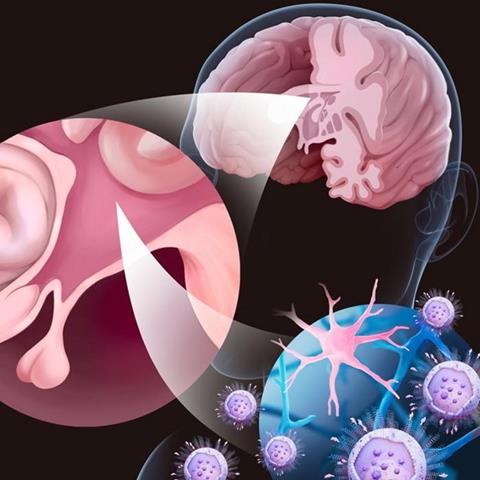
 Researchers at Kindai University have discovered that oral administration of arginine, a naturally occurring amino acid, can suppress amyloid β (Aβ) aggregation and alleviate neurological symptoms in animal models of Alzheimer’s disease. Their findings highlight arginine’s potential as a safe and affordable therapeutic candidate for Alzheimer’s and other protein misfolding-related neurodegenerative disorders. Credit: "Brain inflammation" by Oregon State University via Flickr Image source: https://openverse.org/image/b5a72faf-bf2c-4ed2-a819-17d2ac3127e7?q=Alzheimer%E2%80%99s+disease+therapy&p=9[/caption]
 Reduced plaque formation and improved behaviour in mice
In the mouse model, oral arginine led to a decrease in amyloid plaque deposition and reduced the amount of insoluble Aβ42 in the brain. The mice also showed improved behavioural performance and lower expression of pro-inflammatory cytokine genes linked to neuroinflammation – one of Alzheimer’s main pathological features.
These results suggest that arginine’s benefits may extend beyond inhibiting protein aggregation, potentially offering broader neuroprotective and anti-inflammatory effects.
“Our findings open up new possibilities for developing arginine-based strategies for neurodegenerative diseases caused by protein misfolding and aggregation,” said Professor Nagai. “Given its excellent safety profile and low cost, arginine could be rapidly translated to clinical trials for Alzheimer’s and potentially other related disorders.”
Potential for rapid translation to clinical trials
Although arginine is already available as an over-the-counter supplement, the researchers emphasised that the dosage and administration regulations used in the study were optimised for research purposes and do not reflect commercial products.
The findings highlight the potential of drug repositioning – repurposing existing, safe compounds – as a practical method towards creating accessible Alzheimer’s treatments.
The findings highlight the potential of drug repositioning – repurposing existing, safe compounds – as a practical method towards creating accessible Alzheimer’s treatments. Because arginine is already used clinically in Japan and is known to be safe and capable of crossing the blood–brain barrier, it could bypass several early hurdles that often occur when developing new drugs.
Further preclinical and clinical studies will be required to determine whether these promising effects translate to humans. Nevertheless, the work provides strong proof of concept that simple nutritional or pharmacological supplementation could help mitigate amyloid pathology and improve neurological outcomes.




Topics
- Disease Research
- Drug Delivery
- Drug Development
- Drug Discovery
- Drug Discovery Processes
- Drug Repurposing
- Drug Targets
- High-Throughput Screening (HTS)
- In Vivo Testing
- Kindai University
- Molecular Biology
- Molecular Targets
- Neurological disorders
- Neuroprotection
- Neurosciences
- Professor Yoshitaka Nagai (the Department of Neurology at Kindai University’s Faculty of Medicine)
- Protein Expression
- Translational Science