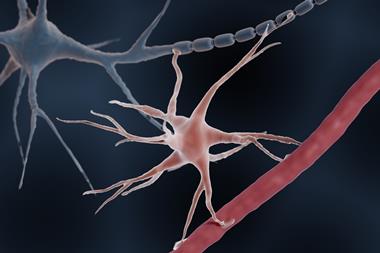
Scientists have used fruit flies to study 100 genes linked to Alzheimer’s disease and how these genes affect brain structure, function and stress resilience. The research could help guide new treatments in the future.
Scientists at Baylor College of Medicine and the Jan and Dan Duncan Neurological Research Institute (Duncan NRI) at Texas Children’s Hospital studied fruit fly versions of 100 human Alzheimer’s disease risk genes that may increase the risk of developing the illness. The study could help to inform future therapies designed to target the disease.
Turning off Alzheimer’s genes in fruit flies
“We studied fruit fly versions of 100 human Alzheimer’s disease risk genes,” said first author Dr Jennifer Deger, a neuroscience graduate in Baylor’s Medical Scientist Training Programme. “We developed fruit flies with mutations that ‘turned off’ each gene and determined how this affected the fly’s brain structure, function and stress resilience as the flies aged.”
We studied fruit fly versions of 100 human Alzheimer’s disease risk genes.
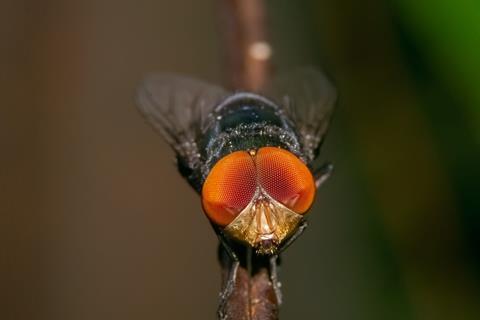
The fruit fly, Drosophila melanogaster, has been a key asset of genetic research for decades. Despite their simplicity, fruit flies share most of their genes with humans, allowing scientists to explore how specific genes function in a living organism. Their short lifespan of around ten weeks also makes them ideal for studying age-related conditions such as Alzheimer’s disease.
Key genes linked to brain structure and function
“We were very excited about the results,” said Dr Joshua Shulman, Professor of Neurology, Neuroscience, Molecular and Human Genetics at Baylor and co-director of the Duncan NRI. “We found that most of the genes are expressed in the adult fly brain, including 24 specifically expressed in neurons and 13 in glia, another type of brain cell.”
“Overall, we identified 50 candidate Alzheimer’s disease risk genes in flies that were involved in both brain structure and function, including 18 that caused possible neurodegeneration when turned off,” said Deger.
 Fruit flies (Drosophila melanogaster) have been used to study Alzheimer’s disease since the mid-1990s. By introducing human Alzheimer’s genes like APP and tau, scientists have used these simple organisms to discover key insights into neurodegeneration, protein build-up and potential therapeutic targets.[/caption]
 Signs of neurodegeneration and stress response failures
“One standout example was the gene Snx6, the fly version of human SNX32,” Shulman explained. “When this gene was turned off, the flies developed holes in their brain tissue – a sign of neurodegeneration.”
One standout example was the gene Snx6, the fly version of human SNX32.
The team also found that 35 genes were required for proper electrical activity in neurons, and eight were essential for the flies’ ability to recover from stress. When these genes were turned off, the flies showed signs of seizures or paralysis after being exposed to heat or mechanical shock.
Understanding amyloid and tau toxicity
The researchers went on to test whether the genes affected the toxic effects of two hallmark Alzheimer’s proteins – amyloid-beta and tau – which accumulate in the brains of people with the disease.
“28 of the genes changed how the flies responded to amyloid-beta or tau, either making the damage worse or helping protect against it,” Deger said.
Different genetic paths to the same disease
Beyond pinpointing individual genes, the researchers searched for patterns by grouping genes based on the type of brain issue they caused – structural damage, functional impairment or reduced stress resilience. They then compared these groups to genetic data from human Alzheimer’s patients.
The researchers searched for patterns by grouping genes based on the type of brain issue they caused.
“Different people seemed to carry risk genes from different groups. Some had genetic changes linked to brain structure problems, while others had genetic variations tied to stress resilience,” Shulman said. “This suggests that different individuals may develop Alzheimer’s disease through distinct biological pathways. This idea – called ‘causal heterogeneity’ – could help explain why Alzheimer’s looks different from person to person and why some treatments work for some people but not others.”
New directions for Alzheimer’s research
The findings provide one of the most detailed insights yet into how Alzheimer’s risk genes may shape the disease’s development, highlighting the complexity of its genetic beginnings. The study could influence future development of more personalised approaches to understanding and treating Alzheimer’s disease.




Topics
- Baylor College of Medicine
- Disease Research
- Dr Jennifer Deger (neuroscience graduate in Baylor’s Medical Scientist Training Programme)
- Dr Joshua Shulman (Professor at Baylor College of Medicine)
- Drug Discovery Processes
- Genetic Analysis
- High-Throughput Screening (HTS)
- In Vivo Testing
- Molecular Biology
- Neurological disorders
- Neuroprotection
- Neurosciences
- Texas Children's Hospital