



All Drug Targets articles – Page 23
-
 News
NewsProteogenomics: finding targets for never-smoker lung cancer
Through multi-omics analysis, researchers find that oestrogen signalling could be a target for never-smoker lung cancer cases.
-
 News
NewsTargeting drug resistance in HER2-positive breast cancer models
Researchers discovered that HER2-positive breast cancer drugs must target both HER2 and EGFR receptors to eradicate disease.
-
 News
NewsThe therapeutic potential of targeting guidance receptors
Researchers found that relaxing glial spacing by targeting Plexin-B1 has great therapeutic potential for Alzheimer’s disease.
-
 Article
Leveraging ADCs in precision oncology strategy
In this Q&A, senior leaders at Caris Life Sciences discuss how the company is advancing precision medicine by integrating ADCs into patient-specific cancer treatment plans, focusing on novel target discovery through comprehensive molecular profiling and clinico-genomic data.
-
 News
NewsReprogramming immune-suppressive macrophages in tumours
A novel drug, JHU083, turns into its active, glutamine-blocking form inside tumours, shrinking prostate and bladder cancers in mice.
-
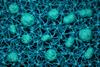 News
NewsModelling the blood-brain barrier with organoids
The world’s first generation of human BBB organoids from hPSCs accurately replicated features of cerebral cavernous malformation.
-
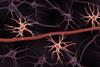 News
NewsSlc4a4 restores normal brain function after ischemic stroke
Researchers have elucidated how Slc4a4 governs astrocyte-endothelial cell interaction in blood-brain barrier maintenance and repair.
-
 Article
The promise of therapeutics from molecules within our body
In this article, senior leaders at SFA Therapeutics emphasise the importance of re-establishing homeostasis in drug development approaches.
-
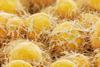 News
NewsMesothelial cells in omental adipose tissue hinder adipogenesis
The discovery that omental fat has a mechanism to limit adipocyte formation may lead to new treatments for obesity and metabolic disease.
-
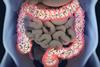 News
NewsHow gKetoC alleviates intestinal inflammation
Through in vitro and in vivo models, researchers find a mechanism by which bacteria-generated fatty acids regulate immune responses.
-
 News
NewsEnhanced NPC cultivation furthers understanding of kidney disease
Induced NPCs facilitate the creation of patient-specific organoid models and improve identification of nephron targeted drugs.
-
 News
NewsNew methodologies to find microbiome biomarkers
Confounder control and quantitative profiling revealed misleading associations between microbial markers and colorectal cancer development.
-
 News
NewsDiscovery of over 100 genomic loci linked to hypertension
The study’s findings explain the genetic differences in people’s blood pressure, which could lead to personalised medicine approaches.
-
 News
NewsXCL1 could mitigate psychiatric condition risk in offspring
Adult anxious behaviour in offspring may be related to the early life proinflammatory state caused by the absence of elevated XCL1.
-
 News
NewsMini-colons reveal complex process of tumorigenesis ex vivo
The mini-colons are topobiologically complex, can be induced to develop tumours in targeted areas and reduce the use of animal models.
-
 News
NewsNew single-cell lipidomics method may unlock cancer treatments
A new method for a fragmentation-based identification of lipids could enable the study of cancer cells in detail not seen before.
-
 News
NewsExploring the role of class IIa HDACs in inflammatory diseases
The pharmacological inhibition of class IIa HDACs could be a therapeutic approach for addressing Th17-related inflammatory and autoimmune diseases.
-
 News
NewsTargeting RAS to overcome FLT3 AML drug resistance
It was discovered that targeting RAS proteins prevent cancer cells from using different signalling pathways to escape cell death.
-
News
Mitochondrial depletion results in abnormal protein accumulation
Researchers find the mechanism which may underly the onset and progression of age-related neurodegenerative diseases.
-
 News
NewsEvaluating the anti-obesity effects of tocotrienols
The new study found T3s treatment exhibited neuroprotective effects in HFSD-fed mice by mitigating oxidative stress.