

All drug targets articles
-
 News
News$13.9M UCLA study maps autism and schizophrenia biology for drug discovery
A $13.9 million UCLA-led research programme will use CRISPR gene editing and ‘cell villages’ to systematically map the molecular differences underlying autism and schizophrenia, addressing the absence of medicines targeting the biological roots of both conditions.
-
 News
NewsCD47 protein found to drive glioblastoma growth
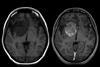
University of Adelaide researchers have discovered that CD47, a protein known for helping cancer cells evade immune detection, also directly promotes glioblastoma growth and invasion through a novel molecular pathway involving ROBO2 stabilisation.
-
 News
NewsToxoplasma cell cycle mapped for next-generation therapies
University of South Florida researchers have adapted fluorescent imaging to visualise the cell cycle of Toxoplasma gondii in real time, revealing an unusual branching growth pattern that enables rapid multiplication. The breakthrough could identify new therapeutic targets for toxoplasmosis, which affects one-third of the global population and has limited treatment options once chronic.
-
 News
NewsBlocking protein pathway may slow Huntington’s disease
Researchers have identified a previously unknown cellular mechanism involving tunnelling nanotubes and the protein SLC4A7 that enables toxic huntingtin to spread directly between neurons, offering new therapeutic targets for Huntington’s disease.
-
 News
NewsBiomarker discovery may improve schizophrenia treatment
Northwestern University scientists have identified a circulating brain protein biomarker that is significantly reduced in schizophrenia patients and developed a synthetic therapeutic that corrected abnormal brain activity in preclinical models, offering hope for treating the disorder’s debilitating cognitive symptoms.
-
 News
NewsGut microbes found to drive chronic kidney disease
A newly discovered feedback loop between impaired kidney function and gut bacteria may drive disease progression through toxic compound production. UC Davis researchers have identified a potential therapeutic target to interrupt this damaging cycle.