



All High-Throughput Screening (HTS) articles – Page 9
-
News
Identifying a new target for metabolic liver disease treatment
Scientists have identified protein tyrosine phosphatase delta (PTPRD) as a key regulator of liver metabolism, offering a potential new drug target for treating metabolic liver diseases like MASLD and MASH.
-
 News
NewsStem cell study uncovers shared genes for hearing and vision repair
New research, led by USC Stem Cell scientists, has identified key genetic barriers to sensory cell regeneration in the ear and eye, paving the way for future drug therapies to restore hearing and vision.
-
 Webinar
Advancing ADC Development: End-to-End Solutions from Design to Characterization
Dr. Francisca Neethling from Eurofins Discovery explores the comprehensive process of ADC development, covering payload linker design, optimization, and the bioanalytical and functional characterization of ADC molecules.
-
 Article
ABB’s robotics ecosystem: advancing lab efficiency in drug discovery
In this interview with Jose-Manuel Collados, learn how ABB's strategic partnerships and automation technology are improving lab efficiency, enhancing precision and ultimately speeding up the development of life-saving treatments.
-
 Webinar
Smarter labs, faster results: The power of automation in drug discovery
Manual processes are slowing down your lab. AI and automation can change that, if you know how to use them. In this free webinar, Dr Raminderpal Singh breaks down the technologies, data strategies and tools transforming early drug discovery, so you can stop guessing and start innovating.
-
 Webinar
Reprogramming immunity: designing smarter checkpoint receptor agonists
Join Dr Daniela Cipolletta from Seismic Therapeutic to discover how FcγRIIb clustering enabled the discovery of S-4321, a low-affinity PD-1 agonist that restores immune balance by engaging multiple inhibitory pathways.
-
 News
NewsAI designs peptides for 'undruggable' diseases
A new AI-powered approach is tackling the challenge of 'undruggable' diseases by designing peptides that can bind to and destroy previously untreatable proteins.
-
 Webinar
Advancing obesity drug discovery: Cell-based assays for GLP-1 and the G-Suite
Gain valuable insights into the latest advancements in obesity drug discovery and enhance your research capabilities.
-
 News
NewsSmall molecule drug discovery market projected to hit $106 billion by 2031
The global small molecule drug discovery market is set for significant growth. Explore the key factors driving this expansion, from rising R&D investments to the increasing role of AI and CROs.
-
 Article
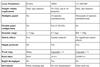
Beyond ELISA: the future of biomarker validation
The era of precision medicine demands more rigorous biomarker validation methods. While ELISA has long been the gold standard, advanced technologies such as LC-MS/MS and Meso Scale Discovery (MSD) offer superior precision, sensitivity and efficiency. Here, Prasad Lakshmanan Selvaraj, Director of Technical Review at Sannova, explains that by embracing these ...
-
 News
NewsNew platform will accelerate single-cell analysis workflow
Sphere Fluidics have developed the Cyto-Mine® Chroma platform, which provides multiplexing and greater assay flexibility, reducing timelines and cost.
-
 News
NewsLargest biobank of sarcoma-patient-derived organoids to date
Following high-throughput drug screening of the tumour organoids, an effective FDA-approved treatment was identified.
-
 Webinar
Unprecedented fragment-based screening using Spectral Shift for GPCRs
In this webinar, we will present how challenging recombinant protein such as GPCRs are produced and characterised and how biophysics participates in GPCRs hit finding and hit confirmation.
-
 Webinar
Exploring the critical roles of astrocytes in health and disease
Watch this webinar to discover the latest astrocyte research and its implications for CNS drug discovery.
-
 Webinar
Rapid functional cell-based activity profiling of multi-receptor targeted anti-obesity therapies
Eurofins Discovery’s Luke Oostdyk, PhD, will highlight anti-obesity target combination therapies and cell-based assays ideal for testing functional activity, specificity, potency and signalling mechanisms of desired therapies against multiple disease-relevant targets.
-
 Webinar
CRISPR™ MDCKII cell lines development for bioavailability and DDI assessments
Join this webinar to hear from Eurofins Discovery on the latest offerings for drug-drug interaction assessments using CRISPR KO/KI MDCKII cell lines
-
 News
NewsThe potential of deep learning: generating drug targets
Researchers have designed synthetic, soluble versions of cell membrane proteins, which will enable faster and easier screening for new drugs.
-
 News
NewsAssessing the risk of HCC with machine learning
A novel screening tool may increase the five-year survival rate of hepatocellular carcinoma patients to 90 percent.
-
 News
NewsCancer dependencies missed by some CRISPR guides
Scientists discovered that, depending on germline variation, CRISPR-based experiments can result in false negatives.
-
 Report
Beyond the lab: screening
This report provides exclusive access to content on innovative screening methods to improve detection and diagnosis of prevalent conditions like cancer and metabolic disease, with expert insights from leading professionals in the field.