



All High-Throughput Screening (HTS) articles – Page 5
-
 Article
Protein folding interference: a new path to hard-to-drug targets
Protein folding interference offers access to targets long considered unreachable by traditional drug discovery. By acting on transient folding intermediates, this approach presents a new opportunity to eliminate disease-driving proteins.
-
 News
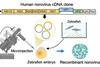
NewsNew reverse genetic system accelerates norovirus vaccine research
Researchers at The University of Osaka have developed a new system to study human norovirus, with the hope of being able to develop vaccines and antiviral treatments faster.
-
 News
NewsNew beta lab platform to streamline early-stage research
UK life science software company Lab Thread has launched the beta of its unified lab platform, designed to streamline research workflows.
-
 News
NewsLive-cell liquid biopsy study aims to transform cancer treatment
Vortex Liquid Biopsy Solutions has launched a new clinical study with The Doctors Laboratory to assess how its live-cell liquid biopsy technology could change cancer monitoring and treatment.
-
 News
NewsBlocking the P2X4 receptor: a potential pathway to new therapies
Researchers have discovered how to inhibit the P2X4 receptor, a key protein linked to chronic pain, inflammation and certain cancers.
-
 Article
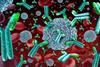
Logic-gated DARPins show targeted T-cell activation in tumours
What if a T-cell therapy could activate only inside a tumour? New preclinical data on Molecular Partners’ Switch-DARPin suggest it may do just that.
-
 News
NewsNew organ-on-a-chip captures ageing immune responses to cancer vaccines
Scientists have developed an organ-on-a-chip platform that replicates age-related immune decline, offering a long-missing tool for testing cancer vaccines in older adults.
-
 Article
RNA that knows where to go: the rise of targeted delivery
What if RNA medicines could be guided directly to tumours, sparing healthy tissue and reducing side effects? Advances in targeted delivery are bringing that vision closer to reality.
-
 News
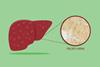
NewsFibulin-5 linked to early detection of liver fibrosis
Researchers in Japan have identified a promising blood-based marker that could enable faster, simpler and more accurate detection of liver fibrosis.
-
 News
NewsBits2Bonds: AI system accelerates discovery of RNA delivery polymers
Researchers at LMU Munich have developed Bits2Bonds, the first platform to fuse molecular simulations with machine learning – accelerating the discovery of polymer carriers for therapeutic RNA.
-
 News
NewsAutomated lung organoids to speed up new drug development
Scientists have developed an automated method to grow lung organoids, with the hope of speeding up drug testing, reducing reliance on animal models and helping to develop new personalised treatments.
-
 Article
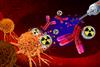
The partnership changing the pace of radiopharmaceutical development
A new collaboration between Crown Bioscience and Medicines Discovery Catapult is bringing advanced tumour models together with world-class imaging and radiochemistry to accelerate the development of next-generation radiopharmaceuticals.
-
 News
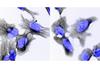
NewsRomidepsin drug combo proves effective against resistant childhood cancer
Australian researchers have identified a promising drug combination that can bypass treatment resistance in relapsed neuroblastoma, offering hope in the fight against one of the deadliest childhood cancers.
-
 Article
Redesigning paclitaxel: expanding the therapeutic window through oral delivery
The potent chemotherapy drug paclitaxel is widely employed for various cancers despite toxicity and efficacy challenges. Maite Agüeros reveals how novel nanoparticle technology has enabled oral delivery of the drug – showing promising signs of improved tolerability and treatment success.
-
 News
NewsKidney fibrosis linked to overactive Hippo signalling pathway
Scientists have used human stem cell–derived kidney organoids to uncover how abnormal Hippo signalling drives scarring in nephronophthisis, a rare genetic kidney disease.
-
 Article
The mother of invention: from steam engines to AI-designed drugs
Every great leap in history started with a single, urgent need. Now AI is emerging as the next great engine of invention, transforming the future of medicine faster than ever imagined.
-
 News
NewsKinase inhibitors shown to accelerate protein breakdown
A new study has revealed that many kinase inhibitors – key drugs used in cancer and other diseases – also trigger the accelerated degradation of their target proteins, which could inform future therapies.
-
 News
NewsTargeting p300 may boost immunotherapy in kidney cancer
Researchers have discovered how renal medullary carcinoma cells evade immunotherapy by mimicking immune cells, driving rapid tumour progression.
-
 Article
Mapping the genome in 3D to reveal new drug targets
Find out how a three-dimensional view of the genome is giving scientists a clearer picture of disease biology and revealing new opportunities for targeted therapies.
-
 Opinion
Making science run at the speed of thought: the reality of AI in drug discovery – Part 2
Can automation and AI finally make science run at the speed of thought? Eric Ma shares how disciplined systems, not new models, will drive the next wave of discovery.