



All Immunology articles – Page 5
-
 Article
Why scientists are targeting the gut to treat peanut allergy
A new oral immunotherapy could change how peanut allergy is treated, targeting the gut to retrain the immune system and reduce the risk of life-threatening reactions. INP20’s nanoparticle technology promises a safer, more precise approach that could replace lifelong avoidance with lasting tolerance.
-
 News
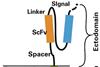
NewsAnti-linker antibodies: a universal key for CAR-T detection
Every new CAR-T needs a new detection tool – until now. Anti-linker antibodies could change how researchers develop and track these therapies.
-
 Article
Advancing antiviral therapeutics for immunocompromised populations
With few antiviral options available to immunocompromised patients, a new generation of therapies - like AIC468 - is aiming to change that.
-
 News
NewsTumour stress drives T cell exhaustion – antioxidants may reverse it
A new research study has discovered that targeted antioxidants could restore T cell function – offering a potential boost for cancer immunotherapies like CAR-T.
-
 Article
CAR T’s biggest hurdle: solving the toxicity problem
CAR T therapies are saving lives, but toxicities such as CRS and ICANS remain a major barrier. What will it take to overcome them?
-
 Article
Inside the search-and-develop model tackling 1,000 untreated skin diseases
With over 1,000 skin diseases lacking approved treatments, a search-and-develop model is changing how new therapies are sourced and developed. Chief Scientific Officer, Jacob Pontoppidan Thyssen, outlines the strategy behind it.
-
 News
NewsHijacking Leydig cells: how COVID-19 lowers testosterone
Brazilian researchers have discovered that SARS-CoV-2 targets testosterone-producing cells in the testicles, hijacking cholesterol and lipid metabolism in order to replicate. The findings could lead to new therapies for treating the disease based on drugs that disrupt lipid metabolism.
-
 News
NewsNew Zika vaccine prevents infection and organ damage
Brazilian researchers have developed a new Zika virus vaccine that is safe and effective in mice – protecting against both brain inflammation and testicular damage while avoiding cross-reactions with dengue.
-
 News
NewsFDA-approved asthma drug may protect against food allergy reactions
An existing asthma drug has been shown to almost completely prevent life-threatening allergic reactions to food in mice, after researchers found a previously unknown genetic pathway linked to anaphylaxis.
-
 Article
Lupus reimagined: targeting the cause, not just the symptoms
Engineered cell therapies are offering a potential new way to treat lupus – not by suppressing symptoms, but by reprogramming the immune system itself. For the first time, lasting remission looks like a real possibility.
-
 Article
Why most T-cell engagers fail - and how to fix it
Bispecific T-cell engagers are advancing fast - but complexity still slows development. This article explores how data-driven, platform-based strategies are helping overcome design and manufacturing hurdles to bring these next-gen therapies to patients faster.
-
 News
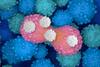
NewsCOVID-19 and flu could awaken hidden breast cancer cells
Scientists have discovered that infections like COVID-19 and flu can “wake up” dormant breast cancer cells – triggering new tumour growth in the lungs.
-
 News
NewsMast cells: new target for preventing meningitis and brain disease
Scientists at Washington University School of Medicine have discovered that mast cells – immune cells best known for triggering allergic reactions – also help protect the brain from bacterial and viral infections. This could have important implications for treating brain infections in the future.
-
 News
NewsAutoimmune breakthrough: Egr-1 regulates treg cells in diseases like MS
Scientists have found a key mechanism driving immune regulation in autoimmune diseases like MS and IBD – which could lead to new targeted treatments.
-
News
Gene therapy boosts CAR-T power against glioblastoma
Researchers at SR-TIGET in Milan have developed a novel gene therapy approach that supercharges CAR-T cell therapy against glioblastoma – strengthening treatment against one of the world’s deadliest brain cancers.
-
News
$250K grant fuels development of new Type 1 diabetes therapy
Researchers at Washington University in St. Louis have received a $250,000 grant from the Critical Path Institute’s Translational Therapeutics Accelerator (TRxA) to develop a novel CD22 bidentate therapeutic for type 1 diabetes to support formulation and new preclinical studies.
-
News
New polymer boosts mRNA vaccine safety
A new material developed at Cornell University offers a more effective way to deliver mRNA vaccines by replacing polyethylene glycol (PEG) with a water-loving polymer poly(carboxybetaine) (PCB).
-
 News
NewsInside the immune ‘handbook’ set to disrupt fibrosis research
Nearly a billion people are affected by chronic organ scarring, yet treatments remain limited. Now, Duke-NUS researchers have compiled a scientific ‘handbook’ of immune cell insights that could fast-track breakthroughs in fibrosis therapy.
-
 News
NewsStatins repurposed for sepsis show life-saving potential
A new study suggests statins, cheap and widely used cholesterol drugs, could be repurposed to reduce the risk of death from sepsis. Researchers reported a 39 percent drop in 28-day mortality, highlighting their potential role in critical care.
-
 News
NewsBCG alters bone marrow to strengthen anti-cancer response
A new study reveals that BCG, a decades-old bladder cancer treatment, reprograms the immune system at the bone marrow level, offering a new perspective into how this immunotherapy boosts the body’s defence against cancer.