



All Immunology articles – Page 2
-
 Article
Antibody recycling, FcRn and the next generation of biologics
One receptor can protect antibodies from degradation, extend their half-life and become a drug target itself. Explore the science behind FcRn and how researchers measure its function.
-
 News
NewsBlocking cathepsin B protein enhances CAR T-cell therapy effectiveness
University of Maryland researchers have discovered that blocking cathepsin B protein prevents CAR T-cells from losing effectiveness, potentially improving long-term outcomes for blood cancer patients. The preclinical findings reveal that engineered immune cells inadvertently weaken themselves by acquiring tumour fragments, a process that can be prevented through targeted protein inhibition.
-
 News
NewsCerebral organoids identify Ebola virus persistence in neural tissue
Researchers have used human brain organoids to demonstrate that Ebola virus can replicate in neural tissue for up to 120 days, offering new insights into viral persistence mechanisms in immune-privileged sites and late-stage inflammatory complications in survivors.
-
 News
NewsPim1 kinase identified as therapeutic target for inflammatory arthritis
Researchers have identified Pim1 kinase as a critical driver of inflammatory arthritis through its regulation of Th17 cell differentiation via mitochondrial metabolism.
-
 Article
Flow-based human tumour models reveal immune responses missed by static culture
Static cultures can miss critical immune–tumour interactions. Learn how the Mera™ flow-based human tissue model better captures T-cell activity to strengthen preclinical immunotherapy research.
-
 Article
Pomegranate-derived compound shows therapeutic potential in heart disease
Researchers at Cardiff University have identified urolithin A – a compound produced by gut bacteria during the metabolism of substances found in pomegranates – as a new approach for treating cardiovascular disease.
-
 News
NewsMineralised DNA hydrogel accelerates bone repair in preclinical studies
A mineralised DNA hydrogel has demonstrated accelerated bone repair and improved tissue mineralisation in preclinical studies, offering a potential new approach to treating difficult bone defects through combined immune regulation and sustained regeneration.
-
 News
NewsCytokine-armoured CAR T cells target glioblastoma while reducing treatment toxicity
UCLA Health researchers have developed cytokine-armoured CAR T cells that directly attack glioblastoma tumours whilst recruiting the body’s wider immune system. The engineered cells showed improved tumour control in mouse models and could address antigen heterogeneity challenges that have limited CAR T therapy success in solid tumours.
-
 News
NewsRadiotherapy boosts CAR T cell survival in solid tumours
Mount Sinai researchers have discovered that focused irradiation significantly enhances CAR T cell therapy effectiveness in solid tumours by promoting dendritic cell-mediated antigen presentation, enabling sustained immune cell expansion within the tumour microenvironment whilst minimising off-target toxicity.
-
 News
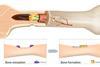
NewsNotch2 enables breast cancer dormancy in protective bone marrow niches
New research has demonstrated how breast cancer cells exploit protective bone marrow niches to remain dormant for years, identifying Notch2 signalling and stem cell-like markers as key regulators of cellular dormancy that could inform therapeutic strategies to prevent relapse.
-
 News
NewsGene-based CIN score predicts breast cancer survival and immunotherapy response
A 13-gene chromosomal instability scoring system developed by Shanghai researchers correlates with survival outcomes and immunotherapy response in breast cancer patients.
-
 News
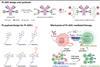
NewsPlatinum-antibody conjugates enhance immunotherapy while reducing chemotherapy toxicity
A novel platinum(IV)-antibody conjugate platform delivers low-dose chemotherapy directly to tumours, upregulating MHC-I expression and enhancing anti-PD-1 responses while minimising systemic exposure. The approach addresses immune evasion mechanisms that limit checkpoint inhibitor efficacy.
-
 News
NewsStudy reveals how GLP-1 drugs trigger weight loss in brain cells
NIH researchers have identified the intracellular signalling pathways through which semaglutide and other GLP-1 receptor agonists induce weight loss, revealing why patient responses vary and treatment effects plateau over time.
-
 Article
When antibiotics are not enough: the case for immune-engaging therapies
As antimicrobial resistance grows and patient populations become more complex, the limitations of antibiotics are becoming harder to ignore. Dr Helen Bright, CSO at Centauri Therapeutics, discusses a new approach that targets both the pathogen and the host.
-
 News
NewsRAGE receptor identified as key driver of age-related metastasis
Georgetown Lombardi researchers have identified RAGE, an inflammatory receptor, as a key mediator of age-related breast cancer metastasis.
-
 News
NewsMitochondrial fission activation offers new tool in fight against antibiotic resistance
Scientists at The University of Queensland have discovered that activating mitochondrial fission can enhance immune defences against antibiotic-resistant bacteria.
-
 News
NewsCD4+ T cells identified as key to hepatitis B clearance
University of California, San Francisco researchers have identified a crucial immune mechanism involving CD4+ T cells that explains why some chronic hepatitis B patients successfully clear the virus after stopping antiviral treatment.
-
 News
NewsNew framework evaluates AI reliability in immune system prediction
Researchers at the University of South Florida have developed a comprehensive framework to test how accurately AI systems can predict immune responses, addressing critical questions about the reliability of computational tools in drug discovery.
-
 News
NewsNew dual-action drug candidate extends survival in pancreatic cancer models
Researchers have developed a dual-mechanism compound that significantly extended survival in preclinical pancreatic cancer models by simultaneously activating immune responses and blocking suppressive pathways.
-
 News
NewsNew imaging reveals how immune cells destroy cancer
Cryo-expansion microscopy has enabled researchers to visualise the three-dimensional organisation of cytotoxic T lymphocytes destroying cancer cells in their near-native state, revealing nanoscale structural details of the immune synapse and cytotoxic granules that could refine immuno-oncology therapeutic strategies.