



Researchers from several institutions have demonstrated that co-targeting HER3 and PARP triggers synergistic DNA damage and cGAS-STING-mediated immune activation in non-small cell lung cancer models.
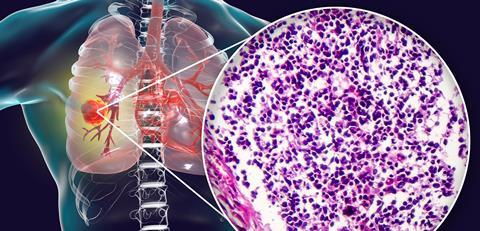
Combining the antibody-drug conjugate HER3-DXd with the PARP inhibitor olaparib has significantly improved treatment responses in preclinical models of lung cancer, according to a new study.
Researchers from Tampere University, the University of Helsinki, Harvard University and the Dana-Farber Cancer Institute found that the combination caused extensive DNA damage in cancer cells while also activating the immune system to help fight the disease.
The research focused on non-small cell lung cancer (NSCLC), the most common form of lung cancer, including tumours carrying EGFR or KRAS mutations.
Targeting cancer cells and DNA repair
Although targeted therapies have improved outcomes for many people with lung cancer, resistance to treatment is still a big hurdle to overcome. The researchers investigated whether combining HER3-DXd with olaparib could improve the effectiveness of treatment.
HER3-DXd, also known as patritumab deruxtecan, is an antibody-drug conjugate that targets HER3, a protein found on the surface of cancer cells. HER3 is expressed in most NSCLC tumours.
Olaparib works by interfering with cancer cells’ ability to repair DNA damage. The researchers found that combining these two drugs increased DNA damage beyond the cancer cells’ capacity to repair it, ultimately triggering apoptosis or programmed cell death.
The combination was significantly more effective against lung cancer models than either drug alone. It also slowed tumour growth and extended the lifespan of laboratory animals in models carrying both EGFR and KRAS mutations.
Activating the immune response
The effects of the combination were not limited to directly damaging cancer cells.
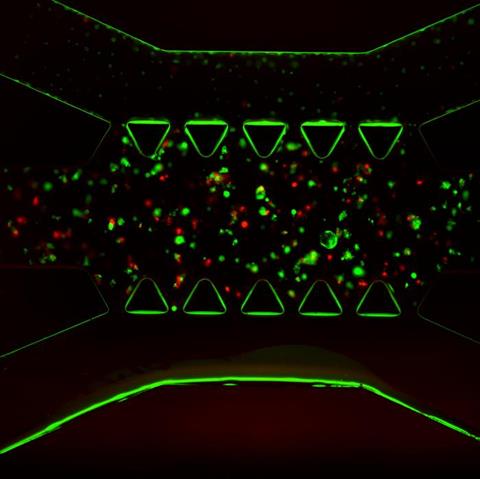
The treatment activated the cGAS-STING signalling pathway, which plays an important role in the body’s innate immune response. The researchers also saw much improved activity of natural killer cells, which can recognise and destroy abnormal cells.
This suggests that the combination could potentially work through two complementary mechanisms: increasing DNA damage within cancer cells while enhancing the body’s ability to mount an immune response against the tumour.
“A key finding was that the treatment combination was effective across multiple genetically distinct forms of lung cancer and was not dependent on any specific mutation,” says Heidi Haikala, Senior Research Fellow at Tampere University and Assistant Professor at the University of Helsinki. “In fact, the HER3 protein could eventually serve as a biomarker for identifying patients who are likely to benefit from this type of treatment.”
Potential for treatment-resistant disease
The findings could be particularly relevant for patients whose tumours have developed resistance to existing targeted therapies or who derive limited benefit from current treatment options.
Importantly, the treatment combination demonstrated activity across lung cancer models with different genetic drivers rather than being restricted to a single mutation.
HER3 is also commonly expressed in several other types of solid tumour, raising the possibility that the approach could have applications beyond lung cancer.
The researchers say their findings provide a foundation for investigating the HER3-DXd and olaparib combination in clinical trials. However, further research will be needed to determine whether the promising preclinical results translate into effective and safe treatment for patients.
If successful, the approach could become a new strategy for combining targeted cancer therapy with DNA damage and immune activation to overcome treatment resistance.








No comments yet