



All Immunology articles – Page 7
-
 News
NewsNew link found between immune system and neurological disease
Findings show that alpha-synuclein and an immune response are required for Lewy body formation, in an effect specific to dopaminergic neurons.
-
 Article
’1104: tackling the root cause of allergic disease
In this Q&A, Revolo Biotherapeutics’ CEO, Woody Bryan, discusses how ‘1104, the Company’s lead candidate for allergic diseases, shifts the immune system from a pro-inflammatory state to a homeostatic state, offering potential remission for allergic conditions. We delve into its unique mechanism of action, supported by preclinical and clinical findings. ...
-
 Article
Restoring TERT to attenuate ageing hallmarks
In this Q&A, Dr Ronald DePinho of MD Anderson elucidates their preclinical proof-of-concept that adjusting TERT levels could be a viable therapeutic approach for mitigating age-related diseases, such as cancer, heart disease and Alzheimer’s.
-
 Webinar
Unprecedented fragment-based screening using Spectral Shift for GPCRs
In this webinar, we will present how challenging recombinant protein such as GPCRs are produced and characterised and how biophysics participates in GPCRs hit finding and hit confirmation.
-
 News
NewsAdvancing HIV treatment with a small molecule inhibitor
The new study demonstrated that a small molecule inhibitor, BLZ945, could be used as a potential therapeutic to achieve viral clearance.
-
 News
NewsMini-lungs enable breakthroughs in SARS-CoV-2 research
Researchers discovered two potential new drug applications with the possible clinical use of surfactant early in COVID-19 cases.
-
 News
NewsImproving vaccine responses by targeting IL-10
In an animal model, scientists have demonstrated that targeting Interleukin-10 during vaccine delivery enhances the vaccine’s ability to protect against infection.
-
 Article
Treating immune-mediated diseases with nanoparticles
In this Q&A, we had the privilege of speaking to COUR Pharmaceuticals’ CEO John Puisis. He offers insights into how their innovative immune-modifying nanoparticle platform differs from traditional approaches for treating immune-mediated diseases.
-
 Whitepaper
Poster: Assays for DDX3, DDX5, DDX17, RIG-I, and MDA5
A panel of HTS assays was developed using the Transcreener platform to accelerate the development of selective helicase inhibitors.
-
 Whitepaper
Poster: Assays for PRMT5, MLL4, METTL3/14, & NSP14
AptaFluor SAH: A Homogenous, Universal Assay for Histone, RNA, & DNA Methyltransferases. Case Study for PRMT5, MLL4, METTL3/14, & NSP14
-
 News
NewsXCL1 could mitigate psychiatric condition risk in offspring
Adult anxious behaviour in offspring may be related to the early life proinflammatory state caused by the absence of elevated XCL1.
-
 Article
Breaking resistance – the future of immunotherapy in oncology
In this episode, we explore the current status and potential solutions to addressing major hurdles in oncology.
-
 News
NewsNew insights about the influence of STAP-1 on immune cell activation
The new findings could lead to a therapeutic target for immune-related disorders, like multiple sclerosis.
-
 News
NewsNew insights into PD-1 formation could greatly improve treatments
A single change in the amino acid structure of the transmembrane segment can either enhance or diminish the inhibitory function of PD-1 in immune responses.
-
 News
NewsHow successive mRNA vaccines shape T-cell memory
A new study shows that changes in clonal dominance characterises T-cell memory against multiple COVID-19 variants following mRNA vaccinations.
-
 Article
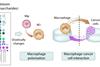
Ubiquitous pyrogens and 3D cancer models
A recent study has highlighted the impact of endotoxins on the accuracy of three-dimensional (3D) cancer models. In this Q&A, Dr Bjorn Vergauwen reveals details and key findings of the research.
-
 News
NewsNew insights into viral-related myocarditis
Understanding heart changes at the molecular level during early infection with adenovirus could enable identification of those at higher risk of arrhythmia.
-
 Article
The future of cancer immunotherapy with Elicio Therapeutics
In this exclusive interview with Dr Christopher Haqq, Executive Vice President, Head of Research and Development, and Chief Medical Officer of Elicio Therapeutics, we explore the latest in Cancer Immunology Research. The study highlights the promising preclinical data demonstrating the potential of TCR-T cell therapy in combination with lymph node-targeted ...
-
 News
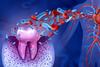
NewsUncovering the bidirectional relationship between PD and DM
Single-cell RNA analysis provides an immunological explanation for the association between periodontitis and diabetes mellitus.
-
 Report
Beyond the lab: immuno-oncology
Read this in-depth analyses and insights from leading experts in the field focusing on treatments, new technologies and engineered bacteria.