



All In Vivo Testing articles – Page 12
-
 News
NewsDOP-targeted therapies could exert significant anxiolytic effects
Researchers have uncovered the role of the PL-BLA neuronal axis and its potential function in DOP-mediated anxiolytic effects.
-
News
Improved CAR T-cell immunotherapy for acute myeloid leukaemia
Researchers have created dual-targeted CARs, which performed better than single-targeted CARs in both in vivo and in vitro experiments.
-
 News
NewsReplacing the PKP2 gene prolongs survival in ARVC patients
The new study suggests that this gene therapy method may combat ARVC in both early and more advanced stages of the condition.
-
 Whitepaper
Consistent, functional lower motor neurons from iPSCs
How pure consistent and functional lower motor neurons can be precision reprogrammed from iPSCs for motor neuron disease research and drug discovery.
-
 News
NewsImproved targeted ocular spectroscopy for better diagnosis
In vitro and in vivo experiments highlight the advantages of a new targeted spectroscopy system for many eye diseases.
-
 News
NewsNew potential drug target is discovered for diabetes treatment
Researchers found heightened SCAN enzyme activity in humans and mice with diabetes results in excessive nitric oxide on insulin receptors.
-
 News
NewsEnzyme-activated fluorescent probes could revolutionise healthcare
Advancements in enzyme-activated near-infrared fluorescent probes hold promise for evaluating responses to enzyme-targeting therapies.
-
 News
NewsLimiting diaphragm atrophy in intensive care
Mitochondrial fragmentation mechanism that can cause ventilator-induced diaphragm dysfunction (VIDD) found, and a therapeutic to mitigate it.
-
 News
NewsNutrient programmes immune cells to battle infection and cancer
Research suggests immune and non-immune cells can be reprogrammed by changing how nutrients are used.
-
 News
NewsEngineered immune cells for improved cancer defence
A collaborative team has uncovered a method to extend the functionality of CAR-T cells.
-
 News
NewsNovel targets identified for treatment of schistosomiasis
Researchers from Brazil discovered that survival of the parasitic worm that cause the disease schistosomiasis, depends on expression of a specific type of RNA. In animal trials, inhibition of the molecule interrupted the infection.
-
 Article
Navigating the challenges and opportunities of AI in drug development and personalised medicine
This article is the second part of Drug Target Review’s Izzy Wood’s discussion with Olivia Cavlan, Chief Corporate Development and Strategy Officer at Alchemab Therapeutics Ltd, exploring the role of AI in target discovery, its applications in personalised medicine, and the evolving landscape of pharmaceutical development.
-
 News
NewsGenome-edited iPSCs show promise for treating Fabry Disease
Japanese researchers successfully engineered iPSCs to secrete a modified enzyme, mNAGA, and restored enzyme activity in vitro and in a mouse model, opening new avenues for regenerative medicine for conditions such as Fabry Disease.
-
 News
NewsA new way to visualise sensory neurons
US researchers have uncovered a novel method using a tool used to visualise ion channels in mechanosensory neurons.
-
 News
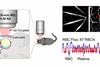
NewsPredicting cerebrovascular diseases with retinal imaging
New imaging approach reveals that changes in retinal microcirculation may indicate cerebrovascular diseases that involve reduced blood flow.
-
 Article
ebook: Advances In Cell Imaging and Retrieval
Unleash the power of drug discovery with this FREE ebook supported by Sartorius! Explore the limitless potential of CRISPR applications and single cell sequencing for drug discovery. Access exclusive insights from industry leaders and stay ahead of the curve with the latest trends. Don't miss out on this opportunity to ...
-
 News
NewsUSC researchers zoom into human genome with mammal DNA
USC researcher Dr Steven Gazal and his team have identified human genome base pairs that have remained constant over millions of years of mammalian evolution. These base pairs are linked to human disease. Using DNA from 240 mammal species, they identified genetic variations affecting an individual's survival and reproduction. ...
-
News
Brain cells found to transfer material to neurons in mice
Researchers have discovered that oligodendrocyte-lineage cells transfer cell material to neurons in a mouse brain. They have provided the first evidence of coordinated nuclear interaction between these cells and neurons.
-
 News
NewsArtificial sweeteners weaken mice's immune response to disease
New findings in mice using artificial sweeteners could result in new therapies to regulate the immune system in those with autoimmune diseases, potentially improving outcomes.
-
 News
NewsMouse study at USC reveals why leukemic mutation varies
A mechanism linked to a genetic mutation could help identify patients who are at higher risk of developing leukaemia.