



All In Vivo Testing articles – Page 8
-
 News
NewsHijacking Leydig cells: how COVID-19 lowers testosterone
Brazilian researchers have discovered that SARS-CoV-2 targets testosterone-producing cells in the testicles, hijacking cholesterol and lipid metabolism in order to replicate. The findings could lead to new therapies for treating the disease based on drugs that disrupt lipid metabolism.
-
 News
NewsNew Zika vaccine prevents infection and organ damage
Brazilian researchers have developed a new Zika virus vaccine that is safe and effective in mice – protecting against both brain inflammation and testicular damage while avoiding cross-reactions with dengue.
-
 News
NewsChikungunya’s 2025 surge sparks urgent research response
The 2025 chikungunya outbreak has surged from the Indian Ocean to Europe, prompting an urgent global research response. With no antivirals and limited vaccine access, laboratories and biotech firms are under pressure to deliver solutions fast.
-
 News
NewsRepurposed epilepsy drugs show potential for new autism therapies
Researchers identified hyperactivity in a specific brain region as a driver of autism-like behaviours in mice – and reversed these symptoms using drugs first designed to treat epilepsy.
-
 News
NewsNew therapy targets triglycerides to prevent aneurysms
A new study shows high triglyceride levels directly cause abdominal aortic aneurysms – highlighting triglyceride-lowering therapies as a potential new treatment.
-
 News
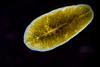
NewsPlanaria flatworms provide new way to study schizophrenia drugs
A new study has shown that small pond worms, called planaria, respond to psychiatric drugs like rodents – offering a promising new way of studying mental health conditions such as schizophrenia and addiction.
-
 News
NewsResearchers identify early intervention target for cerebral palsy dystonia
Researchers have developed an easy-to-use method for measuring leg dystonia in children with cerebral palsy – allowing doctors to personalise treatments more effectively.
-
 News
NewsEvenamide targets multiple symptoms in schizophrenia models
New preclinical research suggests that evenamide – a glutamate modulator – targets hippocampal hyperexcitability, potentially addressing positive, negative and cognitive symptoms of schizophrenia.
-
 News
NewsNew lipid nanoparticle boosts mRNA delivery fivefold in cancer study
Japanese researchers have engineered a new lipid nanoparticle that delivers mRNA to cells five times more effectively, resulting in stronger immune responses and tumour suppression in mice.
-
 News
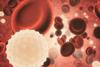
NewsVitamin B1 + glucose: a new combination approach to tackling sepsis
Scientists at Ghent University have discovered that a simple combination of vitamin B1 and glucose could drastically improve survival in sepsis – a life-threatening condition responsible for millions of deaths each year.
-
 News
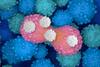
NewsCOVID-19 and flu could awaken hidden breast cancer cells
Scientists have discovered that infections like COVID-19 and flu can “wake up” dormant breast cancer cells – triggering new tumour growth in the lungs.
-
 News
NewsIntersectin protein discovery may help treat cognitive disorders
Researchers have discovered that the protein intersectin plays a crucial role in organising synaptic vesicles – enabling direct communication essential for learning and memory.
-
 News
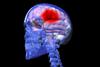
NewsNew stroke drug reduces brain damage by 60 percent in preclinical study
Cambridge researchers have discovered a new drug that could dramatically improve stroke recovery by reducing brain damage caused when blood flow is restored.
-
 Article
Antibodies come full circle: biopharma back at the bench
Recombinant antibody technology is redefining research standards - bringing biopharma-grade precision, consistency, and customisation to the lab. Discover how advances like Fc engineering and chimerisation are accelerating progress from basic discovery to clinical insight.
-
 Article
From lab to clinic: the rise of Radio-DARPins in oncology
As radioligand therapy continues to show promise, its application in solid tumours remains limited by long-standing biological challenges. In this interview, Julien Torgue, CSO at Orano Med, discusses a new collaborative platform – Radio-DARPins – and how it could help overcome key barriers to clinical progress.
-
 News
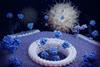
NewsDeep-sea sugar EPS3.9 sparks immune attack on tumours
Scientists have isolated a sugar molecule from deep-sea bacteria that triggers pyroptosis - a form of inflammatory cell death - to halt tumour growth - highlighting the potential of marine microbes in drug development.
-
 News
NewsPioneering Nipah vaccine for pigs aims to protect humans too
Scientists at The Pirbright Institute have developed and successfully tested three experimental vaccines to protect pigs against the deadly Nipah virus - a first step to preventing transmission to humans.
-
 News
NewsAutoimmune breakthrough: Egr-1 regulates treg cells in diseases like MS
Scientists have found a key mechanism driving immune regulation in autoimmune diseases like MS and IBD – which could lead to new targeted treatments.
-
 Article
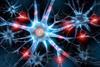
The future of CNS drug development: signs of real progress
New therapeutic approaches are emerging for CNS disorders – but can they overcome the toughest barriers in drug development? Find out what is driving progress and what still stands in the way.
-
 News
NewsMicroglia replacement halts ALSP progression in landmark trials
Scientists from Fudan University have halted the progression of ALSP, a rare and fatal brain disease, using a pioneering microglia replacement therapy - marking the first effective clinical approach to tackling the disease.