



All In Vivo Testing articles – Page 5
-
 News
NewsAI-powered CKD drug ISM4808 licensed for kidney disease therapy
Insilico Medicine has partnered with TaiGen Biotechnology to exclusively license its AI-designed PHD inhibitor, ISM4808, for the treatment of CKD-related anaemia in Greater China.
-
 News
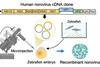
NewsNew reverse genetic system accelerates norovirus vaccine research
Researchers at The University of Osaka have developed a new system to study human norovirus, with the hope of being able to develop vaccines and antiviral treatments faster.
-
 Article
Logic-gated DARPins show targeted T-cell activation in tumours
What if a T-cell therapy could activate only inside a tumour? New preclinical data on Molecular Partners’ Switch-DARPin suggest it may do just that.
-
 News
NewsMYC inhibitor Omomyc boosts PARP drug response in breast cancer
A preclinical study led by VHIO reveals that the MYC inhibitor Omomyc enhances the effectiveness of PARP inhibitors, offering a potential new treatment strategy for patients with drug-resistant triple-negative breast cancer.
-
 News
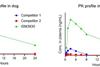
NewsAI powers discovery of new CBLB inhibitor ISM3830
Insilico Medicine has announced ISM3830, an AI-designed CBLB inhibitor that has demonstrated promising preclinical results.
-
 News
NewsRomidepsin drug combo proves effective against resistant childhood cancer
Australian researchers have identified a promising drug combination that can bypass treatment resistance in relapsed neuroblastoma, offering hope in the fight against one of the deadliest childhood cancers.
-
 News
NewsPre-transplant treg therapy reduces GVHD risk for blood cancer patients
Priming the immune system ahead of a stem cell transplant may be key to safer, more effective care for blood cancer patients, according to new research showing major reductions in transplant complications.
-
 News
NewsWhy TIGIT cancer therapies work in monkeys but not humans
A new study reveals that TIGIT, a key immune checkpoint targeted by cancer drugs, behaves differently in rhesus macaques and humans, suggesting current animal tests may be misleading drug development.
-
 News
NewsRhosin shown to reverse blood stem cell ageing
Scientists have discovered that the drug Rhosin can rejuvenate ageing blood stem cells by inhibiting a key protein linked to cellular decline, providing a potential new strategy to combat age-related diseases.
-
 News
NewsDexamethasone may halt metastases in resistant breast cancer
Researchers have discovered that dexamethasone, a widely used anti-inflammatory drug, could help combat metastases in hormone-resistant ER+ breast cancer.
-
 News
NewsOral arginine reduces harmful amyloid in Alzheimer’s models
A naturally occurring amino acid commonly found in supplements has reduced harmful amyloid build-up and eased symptoms in animal models of Alzheimer’s disease.
-
 News
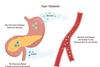
NewsBlood stem cell and islet cell transplant combo reverses Type 1 diabetes
Stanford researchers have cured Type 1 diabetes in mice using a combination of blood stem cell and pancreatic islet cell transplants.
-
 News
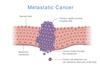
NewsNew stealth CRISPR method reduces immune interference in tumours
Researchers have developed a novel CRISPR method that evades the immune system in mice, allowing scientists to study tumour growth and metastasis more accurately.
-
 News
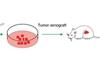
NewsPDX models: a new tool for colorectal cancer research
Patient-derived xenograft models are reshaping colorectal cancer research by preserving the complexity of real tumours, potentially helping scientists to develop new therapies in the future.
-
 News
NewsCRISPR disruption of NRF2 re-sensitises tumours to chemo
Researchers have shown that using CRISPR to disable the NRF2 gene can restore chemotherapy sensitivity and slow tumour growth.
-
 News
NewsNasal HPV vaccine could replace surgery for cervical cancer
Japanese researchers have developed a nasal HPV vaccine that could offer a non-invasive, fertility-preserving alternative to surgery for cervical cancer.
-
 News
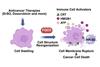
NewsFGD3 protein enhances breast cancer therapies
Scientists have identified a little-known protein, FGD3, that can boost the power of key breast cancer treatments by helping drugs rupture tumour cells and activate the immune system.
-
 News
NewsNew study shows ageing may help prevent cancer growth
Scientists at Stanford University have discovered that older mice develop far fewer and less aggressive lung tumours than younger ones, challenging the long-held belief that cancer risk rises with age.
-
 News
NewsUK Government announce plans to phase out animal testing for drugs
The UK government have announced a new strategy to phase out animal testing in scientific research, aiming to replace traditional experiments with innovative human-relevant methods such as organ-on-a-chip systems and AI analysis.
-
 News
NewsHow a psychedelic found in mushrooms could help fight alcoholism
Scientists have discovered that psilocin – the compound produced in the body from the psychedelic found in magic mushrooms – may reduce alcohol consumption by calming activity in brain regions linked to stress.