



All In Vivo Testing articles – Page 2
-
 News
NewsNew drug SB-0110 targets levodopa’s two biggest clinical limitations for Parkinson’s
A computational biology-derived compound has shown promise in preclinical models by simultaneously improving levodopa response and reducing dyskinesia — two of the most significant challenges in long-term Parkinson’s disease management.
-
 News
NewsPCSK9 peptide vaccine lowers LDL cholesterol in preclinical studies
A structure-guided peptide vaccine targeting PCSK9 has demonstrated durable antibody responses and reduced LDL cholesterol levels in mouse models of hypercholesterolaemia, offering a potential long-lasting alternative to current lipid-lowering therapies.
-
 News
NewsNTX-301 targets treatment-resistant AML via Hippo pathway in preclinical study
A novel epigenetic therapy has demonstrated activity against treatment-resistant acute myeloid leukaemia in preclinical models, including high-risk TP53-mutant disease, by selectively reactivating the Hippo tumour-suppressor pathway.
-
 News
NewsGene therapy shows durable correction of methylmalonic acidemia in preclinical study
Preclinical findings from Genespire and SR-TIGET suggest a single administration of a liver-directed lentiviral gene therapy could provide lifelong correction of methylmalonic acidemia, a rare inherited metabolic disorder with no approved disease-targeted treatments.
-
 News
NewsStem cell organoids repair heart microvessels in coronary artery disease models
Stanford University researchers have demonstrated that stem cell-derived vascular organoids can regenerate damaged microvessels in the heart, improving cardiac function in a porcine model of ischaemic heart disease and addressing a significant unmet need in coronary artery disease treatment.
-
 News
NewsKCL-286 targets multiple Alzheimer’s pathways in preclinical study
A repurposed small molecule originally developed for spinal cord injury has demonstrated the ability to address multiple disease-relevant pathways in Alzheimer’s disease, including DNA damage and neuroinflammation, offering a potential route to disease-modifying therapy.
-
 News
NewsExperimental HIV vaccine generates broadly neutralising antibodies in primates
A collaborative research team from LJI, Scripps Research and IAVI has developed an experimental HIV vaccine that successfully generated broadly neutralising antibodies in rhesus macaques, marking a pivotal advance in the 14-year effort to design an effective HIV vaccine.
-
 News
NewsXL20 drug candidate shields motor neurons from ALS-linked TDP-43 damage
A newly identified experimental compound, XL20, has demonstrated neuroprotective effects in mouse models and human motor neurons by targeting a conserved disease-linked region of TDP-43, a protein central to ALS pathology.
-
 News
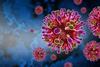
NewsDual antibody cocktail offers complete Nipah virus protection
Researchers at Mount Sinai have developed the first fully human monoclonal antibody cocktail to provide complete protection against Nipah and Hendra viruses in preclinical models, offering a potential blueprint for treating high-consequence zoonotic pathogens with no approved therapies.
-
 News
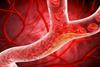
NewsPeptide vaccine targeting PCSK9 proves effective in cardiovascular disease models
A peptide vaccine targeting PCSK9 has demonstrated sustained antibody responses and reductions in LDL cholesterol and atherosclerotic plaque formation in animal models, offering a potential long-term alternative to current lipid-lowering therapies.
-
 Interview
The global push to reduce animal testing in drug development
Non-animal methods are already used throughout early drug discovery, yet animal testing continues to dominate regulatory safety assessment. Recent initiatives suggest change is coming, but significant scientific and practical challenges remain.
-
 News
NewsThalidomide shows potential for treating rare brain vascular malformations
Researchers in China have reported encouraging preclinical and early clinical evidence that thalidomide may help stabilise and reduce rare vascular malformations affecting the brain and spinal cord, potentially offering the first medical treatment option for patients with central nervous system arteriovenous malformations who are unsuitable for invasive procedures.
-
 News
NewsCopper drug Cu(ATSM) reduces Alzheimer’s proteins by 42 percent in preclinical study
A copper-delivering compound has demonstrated the ability to restore blood-brain barrier clearance mechanisms, reducing amyloid-beta accumulation by 42 percent and improving spatial learning by 44 percent in Alzheimer’s disease models, according to research published in ACS Chemical Neuroscience.
-
 Article
Pomegranate-derived compound shows therapeutic potential in heart disease
Researchers at Cardiff University have identified urolithin A – a compound produced by gut bacteria during the metabolism of substances found in pomegranates – as a new approach for treating cardiovascular disease.
-
 Article
Why targeted therapies are exposing the limits of animal models – and what comes next
Traditional preclinical models are struggling to keep pace with a new generation of targeted therapies. As regulators embrace new approach methodologies (NAMs), vascularised tissue platforms are offering a more human-relevant approach to predicting drug efficacy and safety.
-
 News
NewsHow researchers are recreating the human heart in the lab
Many promising therapies fail because preclinical models do not fully capture the complexity of the human heart. A new review explores how 3D cardiac constructs could improve disease modelling, drug screening and safety assessment.
-
 News
NewsCardiac organoids repair heart attack damage in preclinical study
Researchers have developed a scalable bioreactor-based system to produce cardiac organoids that successfully integrated into damaged heart tissue in porcine models of myocardial infarction, improving cardiac function and reducing scar formation without triggering arrhythmias.
-
 News
NewsISSCR consortium submits recommendations on NAMs to FDA
The ISSCR Consortium on Advanced Stem Cell-Based Models is calling for greater flexibilty from the FDA to accomodate rapidly changing technologies like stem cell-derived systems, organoids and computational approaches.
-
 News
NewsGut-targeted drug proves effective against polycystic ovary syndrome in mice
Fudan University researchers report that fexaramine, an intestine-specific farnesoid X receptor agonist, improved metabolic and reproductive parameters in mouse models of polycystic ovary syndrome, supporting the gut–ovary axis hypothesis.
-
 News
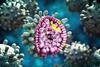
NewsCD4+ T cells identified as key to hepatitis B clearance
University of California, San Francisco researchers have identified a crucial immune mechanism involving CD4+ T cells that explains why some chronic hepatitis B patients successfully clear the virus after stopping antiviral treatment.