



All In Vivo Testing articles – Page 3
-
 News
NewsNew malaria drug T111 targets all parasite stages in single treatment
A novel compound developed over 15 years of research has demonstrated unprecedented activity against liver, blood and sexual stages of Plasmodium parasites, possibly positioning it as a potential cure for malaria.
-
 News
NewsAI system reduces animal testing in drug discovery by 50 percent
German researchers have developed genESOM, a generative AI system that could reduce animal numbers in preclinical drug testing by 30 to 50 percent.
-
 News
NewsTwo antimicrobials show efficacy against drug-resistant pneumonia pathogen
A preclinical study from Osaka Metropolitan University demonstrates that levofloxacin and cefiderocol both show therapeutic potential against severe hemorrhagic pneumonia caused by the multidrug-resistant pathogen Stenotrophomonas maltophilia.
-
 News
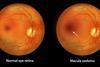
NewsBispecific antibody targets Wnt co-receptors for diabetic macular oedema treatment
Preclinical data presented at ARVO 2026 demonstrate therapeutic potential of targeting Gpr124 and Lrp6 Wnt co-receptors to restore blood-retina barrier integrity in diabetic macular oedema and wet age-related macular degeneration, with trispecific candidate NVQ501 advancing towards IND-enabling studies.
-
 News
NewsNew dual-action drug candidate extends survival in pancreatic cancer models
Researchers have developed a dual-mechanism compound that significantly extended survival in preclinical pancreatic cancer models by simultaneously activating immune responses and blocking suppressive pathways.
-
 News
NewsHybrid molecule shows enhanced metabolic effects in obesity study
A novel hybrid molecule combining incretin therapy with targeted intracellular delivery of a PPAR agonist has demonstrated strong weight loss and glucose control compared to existing GLP-1/GIP therapies in preclinical studies.
-
 Article
Why lower organisms matter for neurodegeneration drug discovery
In the wake of recent government policy aimed at actively replacing animal models in drug discovery, we consider a possible solution to the translational shortfalls of current cellular methodologies for neurodegenerative disease.
-
 News
NewsNew osteoarthritis therapy targeting joint repair advances following preclinical success
A Duke Health-led consortium has achieved key preclinical milestones in developing regenerative therapies that target cartilage and bone damage in osteoarthritis, potentially offering an alternative to symptom management and joint replacement surgery.
-
 News
NewsSmall molecule SK-129 targets protein aggregation in Parkinson’s disease
International researchers have identified a small molecule capable of crossing the blood-brain barrier to prevent pathological protein aggregation in Parkinson’s disease, Lewy body dementia and multiple system atrophy.
-
 News
NewsBlocking protein pathway may slow Huntington’s disease
Researchers have identified a previously unknown cellular mechanism involving tunnelling nanotubes and the protein SLC4A7 that enables toxic huntingtin to spread directly between neurons, offering new therapeutic targets for Huntington’s disease.
-
 News
NewsProbiotic bacteria successfully attacks tumours in preclinical models
Engineered probiotic bacteria that can deliver cancer-fighting drugs directly to tumours have shown promising results in mice, offering a potential new approach to targeted cancer therapy.
-
 News
NewsLab-made lncRNA could lead to new anti-inflammatory drugs
Scientists at the University of Toronto have created long noncoding RNA outside living cells for the first time, a breakthrough that has already produced experimental anti-inflammatory molecules.
-
 News
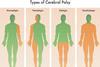
NewsStem cells from baby teeth could treat cerebral palsy
Japanese researchers have shown in a rat study that stem cells derived from naturally shed baby teeth may improve motor and cognitive impairments in chronic-phase cerebral palsy.
-
 News
NewsCircular RNA drives 50-fold boost in eye gene therapy
New in vivo data show a circular RNA platform can deliver up to a 50-fold increase in gene expression in the eye compared with conventional mRNA-based AAV approaches.
-
 News
NewsNew SerpinB2 immune cell discovery could reverse Type 2 diabetes
Researchers at the University of Pittsburgh School of Medicine have developed a new approach for tackling insulin resistance and type 2 diabetes by protecting beneficial immune cells in fat tissue.
-
 News
NewsWhy ageing must become central to Parkinson’s research
An international team of scientists is urging researchers to put ageing at the centre of Parkinson’s studies, arguing that it has been overlooked for too long.
-
 News
NewsLaunaea herb could provide new treatments for peptic ulcers
A herb called Launaea nudicaulis could be used to treat peptic ulcers, with early research suggesting both gastroprotective benefits and potential applications in natural product drug discovery.
-
 News
NewsHDAC11 protein identified as potential target for Duchenne muscular dystrophy
A new preclinical study has shown that reducing the protein HDAC11 could slow muscle degeneration in Duchenne muscular dystrophy, providing a potential target for future therapies.
-
 News
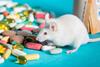
NewsNew paper warns against phasing out animal testing too quickly
A push by the US Food and Drug Administration to phase out animal testing in drug development could improve efficiency and reduce animal suffering, but experts warn that moving too quickly may pose risks to patient safety.
-
 News
NewsCC023 mice reveal how ALS can develop after viral infections
Researchers have discovered a mouse strain that mirrors ALS in humans following a viral infection, offering new insights into how the disease develops, potentially opening new pathways for early diagnosis and drug development.