



All In Vivo Testing articles – Page 6
-
 News
NewsTRβ receptor could be key to slowing prostate cancer
A thyroid hormone receptor may play a key role in prostate cancer growth, offering a potential new target for treating aggressive forms of the disease.
-
 News
NewsAlzheimer’s may disrupt fat tissue and raise metabolic disease risk
Researchers have discovered that Alzheimer’s may disrupt communication between nerves and blood vessels in fat tissue which could explain why people with Alzheimer’s are often diagnosed with heart disease and metabolic problems.
-
 News
NewsProtein FSP1 found to help melanoma survive in lymph nodes
New research has discovered a key survival mechanism in metastatic melanoma, revealing that cancer cells spreading to lymph nodes depend on a protein called FSP1 to avoid cell death.
-
 News
NewsSugar-coated tumours: a new target for pancreatic cancer
Researchers have discovered that pancreatic tumours evade the immune system by disguising themselves with a sugar coating. To combat this, they have developed a new antibody therapy that blocks this ‘don’t-attack’ signal, which slows tumour growth.
-
 Article
IL-2 and GLP-1 receptor agonist combination tackles neuroinflammation
Can targeting both regulatory and inflammatory pathways change how we treat neurodegenerative disease? Coya Therapeutics is testing that idea with its IL-2 and GLP-1 receptor agonist combination.
-
 News
NewsAlzheimer’s brain structure investigated through fruit flies
Scientists have used fruit flies to study 100 genes linked to Alzheimer’s disease and how these genes affect brain structure, function and stress resilience. The research could help guide new treatments in the future.
-
 News
NewsExisting nerve pain drugs may help stop bone cancer spread
Scientists have discovered that two existing pain medications – bupivacaine and rimegepant – may not only relieve the severe pain caused by osteosarcoma but also slow the disease’s growth.
-
 News
NewsTargeting fibroblasts could lead to new heart failure therapies
Long considered structural support cells, a new research study has discovered how fibroblasts actively worsen heart failure by disrupting heart muscle function, which could lead to new therapeutic strategies for heart failure.
-
 News
NewsOveractive neurons linked to schizophrenia-like behaviour
Scientists have identified an overactive brain cell type linked to schizophrenia-like symptoms in mice – a discovery that could lead to new, targeted treatments to prevent cognitive impairments.
-
 News
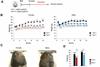
NewsTRF1 protein identified as potential obesity drug target
Researchers have discovered that removing a telomere-protecting protein, TRF1, makes mice leaner and metabolically healthier without shortening their telomeres, potentially leading to new methods for tackling obesity and age-related diseases.
-
 News
NewsSwallowable bioluminescent pill detects early signs of gut ischaemia
Scientists have developed an ingestible, light-emitting capsule that can detect life-threatening intestinal blood flow problems in their earliest stages. The device could offer doctors a faster and less invasive way to diagnose acute mesenteric ischaemia.
-
 News
NewsNew compound blend reverses sugar damage to tackle ageing and obesity
Scientists have developed a compound blend that reverses sugar-related cellular damage in mice, which could lead to future therapies to slow ageing and treat metabolic diseases.
-
 News
NewsPulmonary fibrosis: new drug slows and reverses lung scarring
Researchers have identified a key cellular mechanism that drives pulmonary fibrosis and successfully blocked it in mice, reducing lung scarring.
-
 News
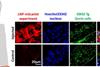
NewsNew mRNA therapy could inform future male infertility treatments
Scientists have restored sperm production in mice with a genetic form of male infertility using mRNA delivered via lipid nanoparticles, with the hope of informing future treatments for non-obstructive azoospermia.
-
 Article
The predictive validity crisis: Pharma’s productivity paradox – Part I
Drug discovery now costs 100 times more per FDA-approved drug than in 1950, despite vast advances in biology and computing. The core problem is the collapse of predictive validity in preclinical models, which sits at the heart of pharma’s productivity paradox.
-
 News
NewsNew gene therapy restores brain function in SYNGAP1 disorder
Scientists have developed a new gene therapy that reversed symptoms of SYNGAP1-related brain disorders in mice, which could lead to new treatments for this group of neurological conditions.
-
 News
NewsNew UCLA drug could restore heart and organ function
UCLA researchers have developed a monoclonal antibody, AD-NP1, that blocks ENPP1 to enhance heart repair and reduce scar tissue.
-
 News
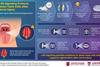
Newsc-Kit helps sweet cells survive and regenerate taste
A new study has demonstrated that sweet-sensing taste cells, protected by the protein c-Kit, survive nerve injury and drive the regeneration of taste buds.
-
 News
NewsNew nanotherapy clears amyloid-β reversing Alzheimer’s in mice
Researchers have developed bioactive nanoparticles that restore the brain’s blood-brain barrier and clear toxic proteins, reversing Alzheimer’s symptoms in mice and offering a promising new approach to treating the disease.
-
 News
NewsPemafibrate and telmisartan combo may reverse fatty liver
A new study shows that approved drugs, pemafibrate and telmisartan, when combined, can reduce liver fat and may lower cardiovascular risk in metabolic dysfunction-associated steatotic liver disease.