



All In Vivo Testing articles – Page 10
-
 News
NewsNew investigational therapy shows promise for treating skeletal disorders
Tyra Biosciences has announced new data showing that its investigational therapy, TYRA-300, improves bone growth and corrects skeletal abnormalities in preclinical models of achondroplasia and hypochondroplasia.
-
 News
NewsNew plasma therapy fights aggressive soft tissue cancer
Researchers at Osaka Metropolitan University have found that plasma-activated medium (PAM) significantly reduces synovial sarcoma tumour growth in both lab and animal models, offering a promising new approach for treating this rare and aggressive cancer.
-
 News
NewsTargeting inflammation to treat atherosclerosis and MASH
A glycine-based compound developed at the University of Michigan, originally designed to treat severe fatty liver disease, has shown powerful effects in reducing atherosclerosis and vascular calcification in animal models.
-
 News
NewsRepurposed anti-inflammatory drug may help treat alcohol use disorders
A new study by Scripps Research reveals that apremilast, an FDA-approved anti-inflammatory drug, may help reduce both alcohol consumption and pain sensitivity, offering a potential dual therapy for alcohol use disorder.
-
 News
NewsTargeting zombie cells: a new treatment for chronic back pain
McGill University researchers have found that two drugs can eliminate senescent “zombie cells” in spinal discs, offering a potential new treatment for chronic low back pain.
-
 News
NewsLab-grown liver breakthrough could speed up drug development
Scientists have developed lab-grown liver organoids with functional zonation, a discovery that brings regenerative medicine a step closer to personalised, transplant-free liver therapy.
-
 Article
Pioneering cellular therapies for age-related diseases
Discover how Immorta Bio's cellular therapies are addressing cancer and liver failure, with the potential to transform healthcare.
-
 News
NewsReprogramming gut cells to treat short bowel syndrome
A preclinical study conducted by researchers at Weill Cornell Medicine have demonstrated a new gene-editing strategy to treat short bowel syndrome (SBS), a life-threatening condition in which patients lack a functional small intestine.
-
 News
NewsStudy identifies crucial gene behind metabolic liver disease
A team of researchers at Waseda University in Japan has identified a gene called Nwd1 that plays a key role in the development of metabolic dysfunction-associated steatohepatitis (MASH). This discovery could lead to new therapeutic strategies, potentially reshaping the treatment landscape for liver disease.
-
 News
NewsDNA repair genes drive Huntington's disease, UCLA study finds
A new UCLA study reveals that DNA mismatch repair genes play a crucial role in Huntington’s disease by driving neuronal damage and motor impairments. Targeting these genes, especially Msh3 and Pms1, could offer promising therapeutic avenues for the disease.
-
 News
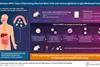
NewsThe immune cells that fuel food allergies
A new study reveals how specific immune cells contribute to the exaggerated immune response in food allergies, offering hope for improved treatments in the future.
-
 News
NewsTessera's gene editing offers hope for sickle cell patients
Find out how Tessera's latest advancements in gene editing bring promising solutions to treat sickle cell disease.
-
News
New combination treatment enables targeting of non-responsive lung tumours
The newly identified KRAS G12C inhibitor, with SHP2 inhibition, sensitises tumours to immune checkpoint blockade.
-
 Article
Initial in vivo validation of novel cancer therapeutics using AI
In this Q&A, Dr Alan D. Roth, CEO of Oxford Drug Design, explains how his AI drug discovery company, which develops novel molecules for use in cancer treatments, has completed the first in vivo validation in its potential first-in-class approach against multiple tumours. A 28-day mouse trial showed clear efficacy ...
-
 News
NewsDamaged small intestine repaired with hPSC-derived organoids
Cincinnati Children’s have repaired damaged intestines in a rodent model, moving research efforts closer to clinical trials.
-
 Article
A novel class of drug candidates for neurodegenerative diseases
At AAIC 2024, AC Immune unveiled a new class of antibody drug conjugates, called morADC (Morphomer® antibody drug conjugate). In this Q&A, CEO of AC Immune, Andrea Pfeifer, discusses how morADC uses the capabilities of the company’s two discovery platforms to combine two highly selective molecules, resulting in drug candidates ...
-
 News
NewsIdentifying disease-promoting microenvironments in AKI
The study’s findings could contribute to future therapeutic strategies to prevent chronic kidney disease.
-
 News
NewsNew DNA aptamer stabilises atherosclerosis plaques
The nucleic acid drug, iSN04, could have applications for pathological angiogenesis involved in atherosclerosis, cancer, and retinopathy.
-
 News
NewsEnhancing drug discovery using genetically diverse mouse models
Researchers suggest that integrating genetically diverse mouse models with cell-based assays will better replicate human diseases.
-
 News
NewsDevelopment of a new and promising antimalarial agent
The new agent, DIF-1(+3), proved to be as effective against drug-resistant malaria as it was against susceptible strains.