



Portland State University researchers have developed T111, a drug candidate that targets every major stage of the malaria parasite lifecycle, which could enable single-encounter treatment and prevention.
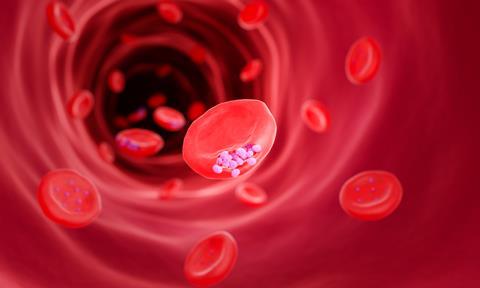
A new compound developed by a researchers at Portland State University could lead to a new effective treatment for malaria.
Researchers behind the discovery say the new drug candidate, known as T111, has the potential to treat and prevent the mosquito-borne disease in a single encounter by targeting every major stage of the parasite’s life cycle.
Fifteen years of research
The project has been led by Jane Kelly, a research professor of chemistry at Portland State University and the VA Portland Health Care System, who has spent three decades studying anti-malarial medicines.
Their findings have now been published in the journal Nature Communications, where the team describes how T111 successfully targets the liver, blood and sexual stages of the malaria parasite using a single compound.
T111 successfully targets the liver, blood and sexual stages of the malaria parasite using a single compound
“That activity profile makes T111 a strong candidate to become a first-in-class Single Encounter Radical Cure (SERC), the kind of drug that could meaningfully change the trajectory of malaria elimination worldwide,” Kelly said.
How malaria spreads
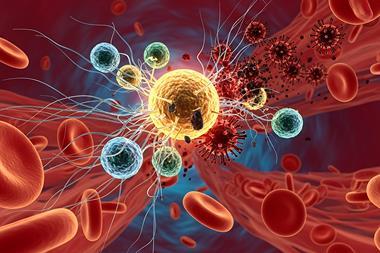
Malaria infection begins when a female Anopheles mosquito carrying the parasite bites a person and injects the organism into the bloodstream. The parasite then travels to the liver, where it multiplies before entering the bloodstream and infecting red blood cells.
“The number of parasites in the bloodstream is astronomical compared to what’s in the liver stage,” Kelly said. “This is when the patient gets sick with chills and fever.”
Some parasites later develop into gametocytes, which can survive inside mosquitoes and continue the cycle of transmission when another person is bitten.
Researchers say two species of the parasite can remain dormant in the liver for months or even years, leading to recurring infections long after the original illness appears to have been cured.
“With T111, a single treatment encounter could clear the parasite from all three life-cycle stages, including the dormant liver forms that cause relapse,” Kelly said. “No antimalarial currently in clinical use combines all of these properties in a single drug. Existing radical-cure agents such as tafenoquine and primaquine address dormant liver-stage parasites but have significant limitations and don’t cover the full life-cycle profile T111 does.”
Next stage of development
The research team said T111 is the result of a sustained multi-institutional effort dating back to 2009. A provisional patent application has already been filed through Portland State University.
The research team said T111 is the result of a sustained multi-institutional effort dating back to 2009
The compound is currently being evaluated in non-human primates in collaboration with the Walter Reed Army Institute of Research and the Armed Forces Research Institute of Medical Sciences.
The next phase of work will involve investigational new drug studies before researchers seek partnerships with pharmaceutical companies to support clinical development.



No comments yet