



A Duke Health-led consortium has achieved key preclinical milestones in developing regenerative therapies that target cartilage and bone damage in osteoarthritis, potentially offering an alternative to symptom management and joint replacement surgery.
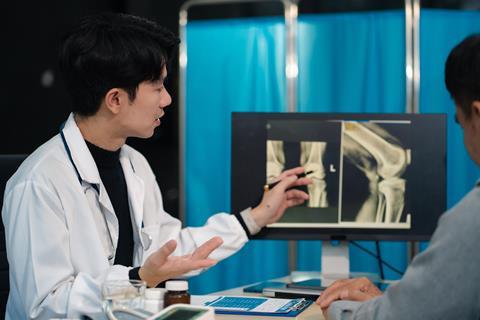
Osteoarthritis affects hundreds of millions of people worldwide, making it one of the leading causes of chronic pain and loss of mobility. For many people, there are few treatment options other than managing symptoms with various medications or repeated injections, with more serious cases needing joint replacement surgery.
Now, a team of researchers led by Duke Health has developed a new type of therapy designed to repair damaged joints at their source, bringing potential treatments closer to first-in-human clinical trials.
“This milestone brings us closer to a future where we can treat the root cause of osteoarthritis, not just the symptoms,” said Benjamin Alman, Project Lead and Chair of the Department of Orthopaedic Surgery at Duke University School of Medicine. “Our long-term goal is to help people stay active, independent and mobile for longer.”
This milestone brings us closer to a future where we can treat the root cause of osteoarthritis, not just the symptoms
Duke serves as the primary site for the project, working alongside researchers from UCLA, Boston Children’s Hospital and Harvard University. The collaboration is part of the BUD NextGenRegen therapeutic programme, which brings together experts in regenerative medicine.
Promising results in early testing
The scientists have been developing three experimental treatments aimed at activating the body’s natural repair processes in cartilage and underlying bone, both of which deteriorate in osteoarthritis.
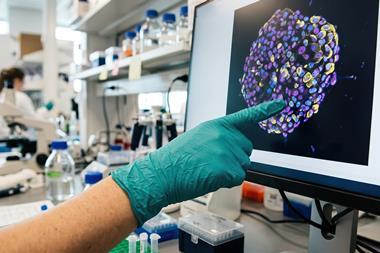
In animal studies, carefully designed combinations of pharmacological agents were used to stimulate joint repair. These treatments restored joint tissue to near-normal levels and significantly reduced pain markers over extended periods.
In animal studies, carefully designed combinations of pharmacological agents were used to stimulate joint repair
Although these therapies have not yet been tested in humans, the findings suggest a promising new approach that targets the underlying damage responsible for pain and reduced mobility.
Focus on safety and next steps
The next phase of research will involve advanced safety testing, dosing studies and preparation for regulatory approval with the US Food and Drug Administration before any clinical trials can begin.
“Yes, the goals are ambitious,” said Project Clinical Lead Thomas Kremen, an orthopaedic surgeon at UCLA’s David Geffen School of Medicine. “But we have made incredible progress so far. With the right team, resources and shared dedication, we can successfully develop this technology into a viable treatment.”
Potential impact on patients
If progress continues as expected, the team anticipates beginning first-in-human trials within the next 18 to 24 months. Patent applications have already been filed and plans are in place to launch a spinout company to support further development and eventual commercialisation.
If progress continues as expected, the team anticipates beginning first-in-human trials within the next 18 to 24 months
“Our goal is simple,” said Alman. “To give people with osteoarthritis a chance to keep moving, stay active and avoid surgery whenever possible.”











No comments yet