



All Molecular Biology articles – Page 12
-
 Article
SPNS1 mutations reveal new lysosomal lipid recycling pathway
Scientists have linked rare mutations in SPNS1 to a previously unknown lipid recycling pathway in lysosomes, revealing how faulty fat processing can trigger muscle and liver disease.
-
 News
NewsStem cell liver model reproduces rare immune drug reactions
A new human liver organoid platform could help predict which drugs trigger dangerous immune reactions in susceptible patients.
-
 News
NewsSPIRAL device offers safer, smarter drug delivery to the brain
Scientists have created a flexible brain implant, called SPIRAL, capable of delivering drugs to multiple regions with pinpoint accuracy.
-
 News
NewsImproving brain resilience: Rab proteins and future treatments
New research has discovered how Rab proteins control the delivery of critical supplies to strengthen neural connections, providing researchers with important insights into memory formation and potential strategies for Alzheimer’s resilience.
-
 News
NewsHow medications in waterways are encouraging antibiotic resistance
New research has discovered that mixtures of everyday medications in the environment can promote antibiotic resistance, offering new insights that could influence future drug discovery and environmental policy.
-
 News
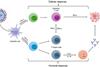
NewsHow nanocarriers and VLPs are uniting to fight cancer
Innovations in nanomedicine are merging to redefine precision oncology. From virus-like particles to magnetic nanoparticles, integrated delivery systems are showing powerful potential for new, targeted cancer treatments.
-
 Article
The predictive validity crisis: Pharma’s productivity paradox – Part I
Drug discovery now costs 100 times more per FDA-approved drug than in 1950, despite vast advances in biology and computing. The core problem is the collapse of predictive validity in preclinical models, which sits at the heart of pharma’s productivity paradox.
-
 News
NewsSperm ‘switch’ discovery could lead to new fertility therapies
Scientists have discovered the molecular ‘switch’ that powers sperm for fertilisation, which could potentially lead to new infertility treatments.
-
 News
NewsDARG cells may drive neurodegeneration in progressive MS
Scientists have discovered a rare type of brain cell that appears to drive the chronic inflammation seen in progressive multiple sclerosis – which could potentially lead to new disease-modifying therapies.
-
 News
NewsDNA repair secrets of naked mole-rats may guide new drug discovery
New research has demonstrated how tiny tweaks in a DNA-sensing enzyme may hold the key to the naked mole-rat’s extraordinary lifespan – offering insights that could one day inform therapies for aging and age-related diseases.
-
 News
NewsHow smoking and alcohol shape mutations in our DNA
Researchers have refined a cutting-edge DNA sequencing tool that reveals how mutations accumulate in healthy tissues as we age, offering insights into the earliest stages of cancer development.
-
 News
NewsHIV antibody 04_A06 almost neutralises all strains
A newly discovered antibody, 04_A06, has shown unprecedented effectiveness against HIV, neutralising 98.5 percent of tested strains and permanently suppressing the virus in humanised mice.
-
 News
NewsNew UCLA drug could restore heart and organ function
UCLA researchers have developed a monoclonal antibody, AD-NP1, that blocks ENPP1 to enhance heart repair and reduce scar tissue.
-
 News
Newsc-Kit helps sweet cells survive and regenerate taste
A new study has demonstrated that sweet-sensing taste cells, protected by the protein c-Kit, survive nerve injury and drive the regeneration of taste buds.
-
 News
NewsDDHD2 enables neurons to synthesise and burn fat for energy
Scientists have discovered that neurons can burn and make their own fats for energy – a finding that could lead to new treatments for rare and currently untreatable brain diseases.
-
 Article
Advancing gene editing: the role of lipid nanoparticles in CRISPR delivery
CRISPR therapies depend on delivery and lipid nanoparticles are emerging as a more flexible and scalable option than viral vectors.
-
 News
NewsPemafibrate and telmisartan combo may reverse fatty liver
A new study shows that approved drugs, pemafibrate and telmisartan, when combined, can reduce liver fat and may lower cardiovascular risk in metabolic dysfunction-associated steatotic liver disease.
-
 News
NewsTargeting EZH2 may prevent triple-negative breast cancer spread
A new study has revealed that the enzyme EZH2 triggers abnormal cell division that fuels metastasis, and blocking this enzyme with existing drugs could restore normal cell behaviour to stop cancer from spreading.
-
 News
NewsScientists track amyloid plaques in living mice for first time
A new fibre-optic method lets researchers monitor amyloid plaque buildup in living, freely moving mice – offering a minimally invasive way to track Alzheimer’s disease progression and test potential therapies.
-
 News
NewsBlocking SLAMF6 enables T cells to kill leukaemia cells
Researchers have discovered a surface protein that helps acute myeloid leukaemia cells evade the immune system, offering potential insights to aid the development of new treatments.