

All Neurosciences articles
-
 News
NewsMirrored molecules target disordered proteins in Alzheimer’s disease
Researchers at Kobe University have developed a novel approach to Alzheimer’s disease treatment by engineering right-handed amino acid chains that bind to amyloid-beta proteins. The method, inspired by materials science principles of chirality, demonstrated effective inhibition of toxic protein aggregation in mouse brain cell cultures, maintaining cell viability where amyloid-beta alone reduced it by 50 percent.
-
 News
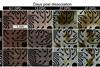
NewsScientists scale up neural organoid studies for drug testing
Researchers at King’s College London have developed a hybrid neural organoid approach that addresses longstanding limitations in scalability, reproducibility and longitudinal analysis. By dissociating 3D organoids and culturing pooled cells on microelectrode arrays, the team created 2D networks that retain cellular diversity whilst enabling consistent, long-term tracking of neural activity across parallel cultures.
-
 News
NewsNew evidence links autoantibodies to Long COVID
Dutch researchers have demonstrated that IgG autoantibodies from Long COVID patients can induce persistent pain-like hypersensitivity in mice, with effects lasting at least two weeks. The study identifies distinct biological subgroups and suggests that autoimmune mechanisms may drive the condition’s diverse symptomatology, opening avenues for targeted immunotherapies.
-
 News
NewsBiomarker discovery may improve schizophrenia treatment
Northwestern University scientists have identified a circulating brain protein biomarker that is significantly reduced in schizophrenia patients and developed a synthetic therapeutic that corrected abnormal brain activity in preclinical models, offering hope for treating the disorder’s debilitating cognitive symptoms.