



News – Page 15
-
 News
NewsNext-gen MRI agents improve stability and effectiveness
Scientists have developed a new class of MRI contrast agents that are both more stable and 30 percent more effective than previous designs.
-
 News
NewsUK Government announce plans to phase out animal testing for drugs
The UK government have announced a new strategy to phase out animal testing in scientific research, aiming to replace traditional experiments with innovative human-relevant methods such as organ-on-a-chip systems and AI analysis.
-
 News
NewsHow a psychedelic found in mushrooms could help fight alcoholism
Scientists have discovered that psilocin – the compound produced in the body from the psychedelic found in magic mushrooms – may reduce alcohol consumption by calming activity in brain regions linked to stress.
-
 News
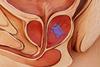
NewsTRβ receptor could be key to slowing prostate cancer
A thyroid hormone receptor may play a key role in prostate cancer growth, offering a potential new target for treating aggressive forms of the disease.
-
 News
NewsGLP-1 weight loss drugs may protect against pancreatitis
A new study has found that GLP-1 weight loss drugs do not increase the risk of pancreatitis or heart problems in patients with high triglycerides – and may even help protect against the condition.
-
 News
NewsScientists use AI to create antibodies entirely from scratch
Scientists at the University of Washington’s Institute for Protein Design have used artificial intelligence to create antibodies entirely from scratch, a breakthrough that could reshape drug discovery.
-
 News
NewsZuckerberg's Biohub announces AI-powered biology to accelerate drug discovery
The initiative combines cutting-edge artificial intelligence with large-scale biological data, with the aim to transform how new treatments, drugs and therapies are developed.
-
 News
NewsAlzheimer’s may disrupt fat tissue and raise metabolic disease risk
Researchers have discovered that Alzheimer’s may disrupt communication between nerves and blood vessels in fat tissue which could explain why people with Alzheimer’s are often diagnosed with heart disease and metabolic problems.
-
 News
NewsProtein FSP1 found to help melanoma survive in lymph nodes
New research has discovered a key survival mechanism in metastatic melanoma, revealing that cancer cells spreading to lymph nodes depend on a protein called FSP1 to avoid cell death.
-
 News
NewsSugar-coated tumours: a new target for pancreatic cancer
Researchers have discovered that pancreatic tumours evade the immune system by disguising themselves with a sugar coating. To combat this, they have developed a new antibody therapy that blocks this ‘don’t-attack’ signal, which slows tumour growth.
-
 News
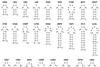
NewsRNA folding: new model could change future drug design
A Japanese research team has simulated how RNA molecules fold, using cutting-edge computational tools to model complex structures with accuracy – a breakthrough that could accelerate the development of RNA-based medicines and therapies.
-
 News
NewsBVRA enzyme may slow down Alzheimer’s progression
New research from Johns Hopkins Medicine reveals that the enzyme BVRA protects brain cells from oxidative stress, allowing for potential new methods for treating neurodegenerative diseases like Alzheimer’s.
-
 News
NewsNuclera expands into Australasia with Solve Scientific partnership
Cambridge-based biotech firm Nuclera has partnered with Solve Scientific Australia to expand access to its eProtein Discovery™ System across Australia and New Zealand.
-
 News
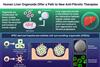
NewsLab-grown liver offers new platform to test fibrosis drugs
Japanese scientists have developed a lab-grown liver organoid that mimics human liver regeneration, offering a new platform to study fibrosis and test therapies.
-
 News
NewsNew blood test detects Alzheimer’s years before symptoms
Scientists have developed two rapid and affordable blood tests that can detect early markers of Alzheimer’s disease – potentially decades before symptoms appear.
-
 News
NewsAlzheimer’s brain structure investigated through fruit flies
Scientists have used fruit flies to study 100 genes linked to Alzheimer’s disease and how these genes affect brain structure, function and stress resilience. The research could help guide new treatments in the future.
-
 News
NewsExisting nerve pain drugs may help stop bone cancer spread
Scientists have discovered that two existing pain medications – bupivacaine and rimegepant – may not only relieve the severe pain caused by osteosarcoma but also slow the disease’s growth.
-
 News
NewsCRISPR epigenetic ‘switch’ provides new way to control memory
For the first time, researchers have demonstrated that flipping an epigenetic ‘switch’ in memory cells can directly control whether a memory is expressed or silenced, offering new insights into how memories are stored and potentially altered.
-
 News
NewsTargeting fibroblasts could lead to new heart failure therapies
Long considered structural support cells, a new research study has discovered how fibroblasts actively worsen heart failure by disrupting heart muscle function, which could lead to new therapeutic strategies for heart failure.
-
 News
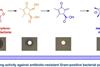
NewsNew antibiotic discovery could help tackle antimicrobial resistance
Scientists have discovered a powerful new antibiotic hidden within the compound pre-methylenomycin C lactone, which shows real effectiveness against drug-resistant infections such as MRSA and VRE.