Scientists have discovered that psilocin – the compound produced in the body from the psychedelic found in magic mushrooms – may reduce alcohol consumption by calming activity in brain regions linked to stress.

A psychedelic substance found naturally in some mushrooms could help to treat people struggling with alcohol addiction, according to new research from the University of North Carolina at Chapel Hill (UNC).
The study explores how the compound psilocin – which the body produces after ingesting the psychedelic psilocybin – may influence alcohol consumption by affecting specific brain circuits linked to emotional processing and stress.
Understanding how psychedelics affect the brain
Although psilocybin has gained attention for its potential to treat depression, anxiety and substance use disorders, the biological mechanisms behind its effects are poorly understood. The research team, led by Sarah Magee and Melissa Herman, sought to discover how psilocin acts on neurons within the central amygdala, a brain region known to regulate emotions and stress responses.
“Preclinical work like this is necessary for filling gaps in knowledge about drug mechanisms, especially in the field of psychedelic research,” said Herman.
Testing psilocin in female mice
The researchers focused their experiments on female mice, which tend to consume more alcohol than males. After long-term alcohol exposure, the team found that psilocin reduced the activity of neurons in the central amygdala. This dampening effect was linked to a temporary reduction in alcohol drinking while the drug was active. However, alcohol consumption returned to previous levels in later sessions once the drug’s effects subsided.
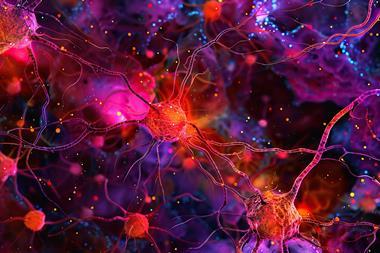
After long-term alcohol exposure, the team found that psilocin reduced the activity of neurons in the central amygdala.
Interestingly, the same pattern was observed in mice with milder alcohol exposure, suggesting that psilocin may influence the emotional and stress-related aspects of drinking behaviour, regardless of the severity of addiction.
These results align with clinical findings showing that psychedelics can help improve emotional regulation and stress resilience, not only in addiction but across a range of psychiatric disorders.
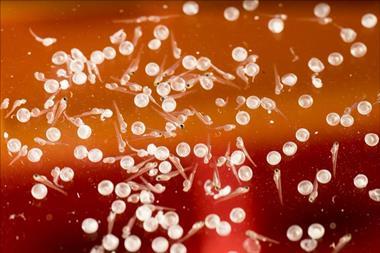
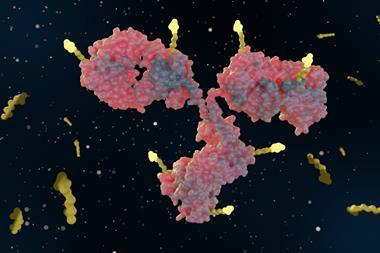
 Psilocybin mushrooms, known for their naturally occurring psychedelic compound, are helping scientists uncover how psilocin may reduce alcohol consumption by calming stress-related brain activity.[/caption]
 Informing clinical findings
According to the researchers, these insights could help scientists better interpret the growing body of clinical studies investigating psychedelic-assisted therapy for alcohol use disorder and other mental health conditions.
“It makes sense that dampening this neuron population reduces drinking because increased activity in these neurons is associated with alcohol use disorders,” explained Herman, an associate professor in pharmacology at UNC. “These neurons also play a role in depression and anxiety, which psychedelics are also showing promise at treating, so our work provides some mechanistic insight in those contexts, too.”
Moving towards new treatments
While the findings are still at the preclinical stage, they provide a basis for further research towards understanding how psilocin affects brain function related to addiction. By identifying the neural circuits involved, researchers hope to refine future therapeutic approaches and improve outcomes for people with alcohol use disorder.
The study adds to the list of studies suggesting that psychedelics could one day play a valuable role in mental health treatment – provided scientists continue to develop their understanding of exactly how they work in the brain.