
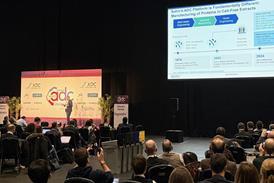
Featured content

Article
From fragments to maps: scaling drug–target interaction data
Most drug–target data were never designed to be compared at scale. Pharmome mapping takes a different approach, building a shared dataset intended to support more predictable discovery.
 Interview
Computational design drives new generation of synthetic promoters
SynGenSys applies computational design strategies to engineer synthetic promoters with predictable performance characteristics for therapeutic and manufacturing applications. Professor David James discusses how tissue-specific regulatory elements are designed from genomic data to enable precise control of gene expression in contexts ranging from NK cell immunotherapy to biologic production.
 Interview
Physics-based modelling offers a new way to study drug targets
Australian start-up OmnigeniQ has demonstrated what it describes as the first deterministic, physics-based computation of a human protein in its native state.
 Article
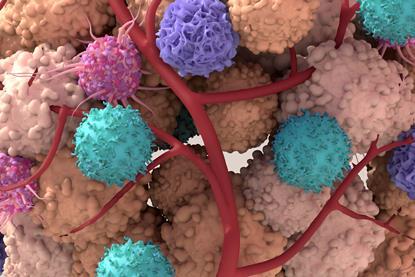
Anticipating adaptation: understanding and overcoming cancer drug resistance
Neil Bhowmick explores how understanding the mechanisms of cancer drug resistance has reframed our approach to treatment, revealing containment and control as realistic goals for therapeutic strategies.
Opinion and interviews
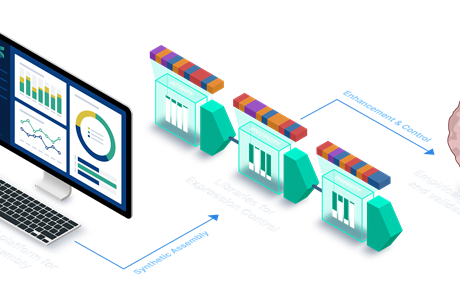
Computational design drives new generation of synthetic promoters
SynGenSys applies computational design strategies to engineer synthetic promoters with predictable performance characteristics for therapeutic and manufacturing applications. Professor David James discusses how tissue-specific regulatory elements are designed from genomic data to enable precise control of gene expression in contexts ranging from NK cell immunotherapy to biologic production.
Opinion and interviews
- Previous
- Next






Webinars
- Previous
- Next