



All Artificial Intelligence (AI) articles – Page 7
-
 News
NewsAI-powered CKD drug ISM4808 licensed for kidney disease therapy
Insilico Medicine has partnered with TaiGen Biotechnology to exclusively license its AI-designed PHD inhibitor, ISM4808, for the treatment of CKD-related anaemia in Greater China.
-
 Article
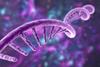
RNA that lasts longer and lands exactly where it should
RNA therapies are moving past burst-and-fade limits. New advances in circular RNA and targeted delivery could transform how we treat autoimmune disease, infections and beyond.
-
 Article
Protein folding interference: a new path to hard-to-drug targets
Protein folding interference offers access to targets long considered unreachable by traditional drug discovery. By acting on transient folding intermediates, this approach presents a new opportunity to eliminate disease-driving proteins.
-
 News
NewsNew beta lab platform to streamline early-stage research
UK life science software company Lab Thread has launched the beta of its unified lab platform, designed to streamline research workflows.
-
 News
NewsLive-cell liquid biopsy study aims to transform cancer treatment
Vortex Liquid Biopsy Solutions has launched a new clinical study with The Doctors Laboratory to assess how its live-cell liquid biopsy technology could change cancer monitoring and treatment.
-
 News
NewsLife sciences face ‘scientific content crisis’ in AI adoption
A new survey by the Pistoia Alliance reveals a growing ‘scientific content crisis’ in life sciences, showing that incomplete data and weak governance are limiting the accuracy and adoption of AI in research and development.
-
 News
NewsBits2Bonds: AI system accelerates discovery of RNA delivery polymers
Researchers at LMU Munich have developed Bits2Bonds, the first platform to fuse molecular simulations with machine learning – accelerating the discovery of polymer carriers for therapeutic RNA.
-
 News
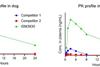
NewsAI powers discovery of new CBLB inhibitor ISM3830
Insilico Medicine has announced ISM3830, an AI-designed CBLB inhibitor that has demonstrated promising preclinical results.
-
 Article
The mother of invention: from steam engines to AI-designed drugs
Every great leap in history started with a single, urgent need. Now AI is emerging as the next great engine of invention, transforming the future of medicine faster than ever imagined.
-
 Opinion
Making science run at the speed of thought: the reality of AI in drug discovery – Part 2
Can automation and AI finally make science run at the speed of thought? Eric Ma shares how disciplined systems, not new models, will drive the next wave of discovery.
-
 Article
AI and policy reform set to reshape UK drug development
BCG’s Chris Meier outlines how advances in AI and new UK policies could accelerate drug development, streamline clinical trials and strengthen the country’s life sciences sector.
-
 Article
Transforming central labs with automation and AI: setting new standards for modern trials
Demands on central laboratories are consistently increasing, heightening the challenge to deliver operational excellence and the highest standard of scientific integrity with both speed and agility. ICON Laboratories is transforming the way we leverage data and intelligent operational models to meet evolving trial needs.
-
 News
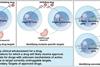
NewsDeepTarget tool helps identify secondary cancer drug targets
A new computational tool, DeepTarget, is demonstrating context-specific targets and repurposing opportunities, showing that what may be a side effect in one patient could serve as a treatment in another.
-
 Article
Making science run at the speed of thought: the reality of AI in drug discovery – Part 1
Everyone talks about AI speeding up drug discovery, but Eric Ma explains why, without clean data and statistical discipline, it can actually do the opposite.
-
 News
NewsScripta Therapeutics raises $12m to advance neurodegenerative research
Oxford-based techbio start-up Scripta Therapeutics has announced a $12 million seed funding round helping them to reshape conventional drug discovery.
-
 Article
Deep data not big data
Bigger isn’t always better. In drug discovery, Dr Michael Ritchie argues that the future belongs not to those with the most data, but to those who understand its biological depth.
-
 Article
AI and the future of biomarker analysis in early R&D
AI is transforming biomarker analysis in early drug discovery, revealing hidden biological patterns that improve target discovery, patient selection and trial design for more precise and predictive R&D.
-
 News
NewsNew framework enhances reliability of virtual cell models
Shift Bioscience have announced new research revealing that AI-driven virtual cell models perform far better than previously thought when assessed with correctly calibrated metrics.
-
 News
NewsUK Government announce plans to phase out animal testing for drugs
The UK government have announced a new strategy to phase out animal testing in scientific research, aiming to replace traditional experiments with innovative human-relevant methods such as organ-on-a-chip systems and AI analysis.
-
 News
NewsScientists use AI to create antibodies entirely from scratch
Scientists at the University of Washington’s Institute for Protein Design have used artificial intelligence to create antibodies entirely from scratch, a breakthrough that could reshape drug discovery.