



All Cancer articles – Page 4
-
 News
NewsNew SMART tool maps RNA modifications to tackle cancer and infections
Researchers have developed the first high-throughput tool to rapidly profile RNA modifications – a breakthrough that could lead to more precise treatments for cancer and antibiotic-resistant infections.
-
 Article
CAR T’s biggest hurdle: solving the toxicity problem
CAR T therapies are saving lives, but toxicities such as CRS and ICANS remain a major barrier. What will it take to overcome them?
-
 Article
Making sense of AI: bias, trust and transparency in pharma R&D
AI is increasingly used in drug discovery, but hidden bias and ‘black box’ models threaten trust and transparency. This article explores how explainable AI can turn opaque predictions into clear, accountable insights.
-
 News
NewsFeline cancer breakthrough could help treat human tumours
Researchers have tested a new cancer drug in pet cats with head and neck squamous cell carcinoma – a disease notoriously hard to treat. The trial showed the therapy controlled cancer in 35 percent of cats with minimal side effects – and it could help to treat humans too.
-
 Article
Gene therapies that listen and respond: the power of RNA regulation
Most gene therapies rely on static DNA promoters to control gene activity, but nature uses far more sophisticated tools. Dr Matthew Dale explores how harnessing RNA-level control could enable treatments that sense and respond in real time, offering unprecedented precision and safety.
-
 News
NewsDNA organiser STAG3 could advance infertility and cancer research
Kyoto University researchers have discovered a new DNA-organising protein complex called STAG3-cohesin – a protein that appears in human B cells and blood cancers. This discovery could potentially lead to new approaches for treating infertility and certain cancers.
-
 Article
Challenges in developing robust potency assays for ADCs
Developing robust potency assays for Antibody-Drug Conjugates (ADCs) is crucial for ensuring their clinical success, but designing assays that meet both technical and regulatory standards is challenging. Here, Abzena’s CSO Campbell Bunce explores the complexities of assay development and the importance of ensuring accuracy, consistency and regulatory alignment for ADCs ...
-
 News
NewsecDNA discovery targets 'zombie' cells in childhood cancers
Researchers have discovered how circular extra-chromosomal DNA drives relapse in childhood cancers and found a way to target dormant “zombie” tumour cells – which could allow for the development of more durable treatments.
-
 News
NewsKidney tumour organoids offer new drug testing platform
Scientists in China have used 3D bioprinting to grow kidney tumours from patients’ own cells, creating realistic models that could speed up development of personalised treatments.
-
 News
NewsTurning up the heat: simple temperature change makes versatile vaccine nanoparticles
University of Chicago researchers have developed a scalable nanoparticle platform that self-assembles with just a temperature change – enabling safe, solvent-free delivery of proteins and RNA for vaccines and therapies.
-
 News
NewsFuelling immunity: glucose helps T cells fight cancer better
A new study from the Van Andel Institute shows that glucose not only fuels T cells but also strengthens their internal signalling and cancer-fighting capabilities –offering a potential route to improved immunotherapies.
-
 News
NewsNew lipid nanoparticle boosts mRNA delivery fivefold in cancer study
Japanese researchers have engineered a new lipid nanoparticle that delivers mRNA to cells five times more effectively, resulting in stronger immune responses and tumour suppression in mice.
-
 Report
Beyond the Lab: Biomarkers Powering Tomorrow’s Therapies
Biomarkers are redefining how precision therapies are discovered, validated and delivered. This exclusive expert-led report reveals how leading teams are using biomarker science to drive faster insights, cleaner data and more targeted treatments – from discovery to diagnostics.
-
 News
NewsNew research shows squeezing cancer cells helps them survive
Scientists have discovered that cancer cells generate an instant burst of energy when physically squeezed, helping them repair DNA damage and survive harsh environments. This discovery means that therapies targeting this new survival mechanism could be developed.
-
 News
NewsCDK4/6 and PARP combo improves prostate cancer treatment
Researchers at VHIO have discovered a new way to overcome drug resistance in metastatic prostate cancer – by combining CDK4/6 inhibitors with follow-up therapies.
-
 News
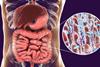
NewsScientists discover neuron-like communication in gut cells
Scientists in Singapore have discovered that gut support cells – known as telocytes – use neuron-like extensions to deliver signals directly to intestinal stem cells. This could lead to new treatments for diseases such as inflammatory bowel disease and colon cancer.
-
 News
NewsDeep-sea sugar EPS3.9 sparks immune attack on tumours
Scientists have isolated a sugar molecule from deep-sea bacteria that triggers pyroptosis - a form of inflammatory cell death - to halt tumour growth - highlighting the potential of marine microbes in drug development.
-
 News
NewsNew sticky material mimics gecko feet to fight tumours
Inspired by the gecko lizard’s grip, scientists at CU Boulder have developed a sticky, biodegradable material that clings to tumours and delivers chemotherapy drugs over several days.
-
 News
NewsSmart nanogels help CAR-T cells penetrate tumours
Researchers in China have developed a next-generation CAR-T cell therapy armed with nanogels that can penetrate the dense barriers of solid tumours. This addresses a major limitation in the treatment of solid cancers with immunotherapy.
-
 News
NewsNew AI model PROTsi identifies aggressive tumours using protein markers
Researchers in Brazil and Poland have developed an AI-powered tool that predicts cancer aggressiveness by analysing protein expression - offering new insights into tumour behaviour.