



All Drug Discovery Processes articles – Page 17
-
 News
NewsNovltex: new antibiotic targets antimicrobial resistance
Scientists at the University of Liverpool have discovered Novltex, a new class of antibiotics that shows potent activity against deadly multidrug-resistant bacteria such as MRSA.
-
 Article
PDX models are back – and they’re exposing what cell lines missed
As cancer drugs continue to fail in translation, researchers are turning back to patient-derived xenograft (PDX) models – this time with better science. Could they be the missing link between the lab and the clinic?
-
 News
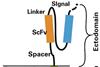
NewsAnti-linker antibodies: a universal key for CAR-T detection
Every new CAR-T needs a new detection tool – until now. Anti-linker antibodies could change how researchers develop and track these therapies.
-
 News
NewsNew obesity drug RES-010 targets metabolism to prevent weight regain
A first-in-class obesity drug, presented at the European Association for the Study of Diabetes meeting in Vienna, aims to reprogramme metabolism rather than suppress appetite – offering the potential for long-lasting weight loss without regain.
-
News
ProRNA3D-single: new AI for drug discovery and disease research
Virginia Tech computer scientists have created a new AI tool, ProRNA3D-single, that can generate 3D models of how viral RNA binds to human proteins – a development that could speed up drug discovery.
-
 News
NewsMelanoma research: targeted drug duo reactivates immune response
Researchers at Sutter’s California Pacific Medical Center have discovered a potential new treatment strategy for melanoma patients who stop responding to immunotherapy.
-
 News
NewsMapping lung disease: new atlas to accelerate drug discovery
Helmholtz Munich and Parse Biosciences have collaborated to create the world’s largest lung disease perturbation atlas – which could aid the discovery of new therapeutic targets and accelerate the development of future lung disease treatments.
-
 News
NewsRare disease drugs get boost from new NICE guidelines
NICE has raised the cost-effectiveness thresholds for ultra-rare disease drugs under its Highly Specialised Technology programme – a move welcomed by patient advocates and biotech leaders.
-
 Article
Better assays: the key step in moving drugs from lab to clinic
From gene therapy to Long Covid, better assays are helping researchers move promising drug candidates from early studies into clinical trials. Dr Alexandre Lucas explains the technologies, challenges and innovations driving this progress.
-
 News
NewsSoil’s hidden bacteria could hold future antibiotic breakthroughs
Researchers have unlocked the genetic secrets of soil’s hidden bacteria, discovering hundreds of previously unknown genomes and two promising new antibiotics.
-
 News
NewsHow circulating tumour cell organoids are transforming oncology
Circulating tumour cell (CTC)-derived organoids are changing cancer research, providing scientists with a powerful tool for studying drug resistance and informing the development of new personalised therapies.
-
 Article
Advancing antiviral therapeutics for immunocompromised populations
With few antiviral options available to immunocompromised patients, a new generation of therapies - like AIC468 - is aiming to change that.
-
 News
NewsTumour stress drives T cell exhaustion – antioxidants may reverse it
A new research study has discovered that targeted antioxidants could restore T cell function – offering a potential boost for cancer immunotherapies like CAR-T.
-
News
Single-cell technique tracks boron in live tumour cells
Researchers at the University of Birmingham have developed a single-cell technique to track boron inside live tumour cells – making Boron Neutron Capture Therapy more effective in treating head and neck cancers.
-
 News
NewsNew SMART tool maps RNA modifications to tackle cancer and infections
Researchers have developed the first high-throughput tool to rapidly profile RNA modifications – a breakthrough that could lead to more precise treatments for cancer and antibiotic-resistant infections.
-
 Article
CAR T’s biggest hurdle: solving the toxicity problem
CAR T therapies are saving lives, but toxicities such as CRS and ICANS remain a major barrier. What will it take to overcome them?
-
 Article
Making sense of AI: bias, trust and transparency in pharma R&D
AI is increasingly used in drug discovery, but hidden bias and ‘black box’ models threaten trust and transparency. This article explores how explainable AI can turn opaque predictions into clear, accountable insights.
-
 News
NewsBlocking GPNMB may halt triple-negative breast cancer progression
A new study has revealed that the protein GPNMB alters immune cells to aid cancer spread – pointing to the GPNMB-Siglec-9 pathway as a potential target for future treatments.
-
 News
NewsTargeting gene regulation may hold key to future Alzheimer’s therapies
Researchers have discovered that Alzheimer’s disease is driven by a deeper loss of gene regulation in brain cells – offering potential new targets for future therapies.
-
 News
NewsScientists spotlight lung disease as fast-track model for ageing drugs
Researchers have identified idiopathic pulmonary fibrosis (IPF) as a powerful model for exploring treatments that target the biology of ageing.