



All Drug Discovery articles – Page 19
-
 News
NewsSlowing intracellular transport boosts potential for RNA therapies
Researchers at the University of Basel and Roche have discovered that slowing the intracellular transport of RNA-based drugs significantly improves their therapeutic impact.
-
 Article
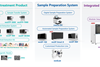
Smart automation for every lab, not just big pharma
Drug Target Review spoke with Giancarlo Basile at SLAS Europe 2025 about MGI’s bold shift from sequencing specialist to automation partner – helping research companies of all sizes achieve accuracy, speed and reproducibility.
-
 Article
Fixing drug discovery’s most persistent problem with AI
AI will not replace drug discovery, but it might finally fix one of its most frustrating bottlenecks. Read how a targeted approach to ADMET is cutting through the noise.
-
News
New mouse model mimics rare GRIN2D disorder
Researchers at Tel Aviv University have developed a new mouse model that accurately mimics a rare and severe genetic disorder caused by mutations in the GRIN2D gene – allowing for study of the disease’s progression and the testing of potential drug therapies.
-
 News
NewsLINC01235 identified as driver of aggressive breast cancer
Researchers at Cold Spring Harbor Laboratory have demonstrated that an obscure RNA molecule, LINC01235, plays a crucial role in the progression of aggressive triple-negative breast cancer (TNBC) – potentially allowing for the development of targeted therapies against it.
-
 Article
How dual-targeting ADCs aim to tackle resistance
Find out how dual-target ADCs and tumour-specific Treg depletion are shaping the next wave of targeted cancer therapies.
-
 News
NewsSmall molecule therapy improves islet transplant success in diabetes
A study from Weill Cornell Medicine shows that pre-treating pancreatic islet cells with a small molecule cocktail significantly improves survival after transplantation in type 1 diabetes models. The approach could help make donor cells go further and transplants more efficient.
-
 News
NewsVirtual cell model rankings just got a major upgrade
Shift Bioscience has published a new study introducing enhanced metrics and baselines for evaluating virtual cell models - boosting gene target discovery and accelerating its rejuvenation therapeutics pipeline.
-
 Whitepaper
Transform your drug discovery pipeline with 3D cellular models
Expert insights reveal how 3D cellular models are revolutionising preclinical testing and clinical translation.
-
 Article
Time for change: non-human primates in drug research
As ethical pressures and new regulations shake up preclinical research, the industry faces a turning point: can we finally move beyond non-human primates? Dr Mariana Argenziano, Associate Director Manufacturing Technologies at Ncardia, discusses the innovations reshaping drug development and what’s coming next.
-
 News
NewsNew data backs Myo4 for obesity treatment
MitoRx Therapeutics has announced new preclinical data for its small molecule Myo4, showing restored insulin sensitivity and enhanced fat loss with muscle preservation in an obesity model - offering a potential alternative to GLP-1-based therapies.
-
 News
NewsLiver organoids grow functional blood vessels in lab breakthrough
Scientists have successfully grown liver organoids with fully functional blood vessels- potentially allowing for the development of new treatments for haemophilia and liver disease.
-
 News
NewsSOD1 protein found to trigger treatable Parkinson’s progression
Scientists at the University of Sydney have discovered a malfunctioning brain protein linked to Parkinson’s - which could lead to new therapies for the debilitating condition in the future.
-
 Article
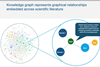
Future-proofing drug development with GenAI
Using GenAI and expert reasoning, drug developers can now explore an asset’s long-term potential as early as the preclinical stage. This shift is helping to reshape pipeline planning and refine therapeutic strategy.
-
 News
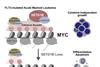
NewsDisabling the SETD1B enzyme halts leukaemia cell growth
Japanese researchers have identified the epigenetic enzyme SETD1B as a key driver of aggressive acute myeloid leukaemia (AML) – which could lead to new treatment strategies targeting the cancer’s underlying biology in the future.
-
News
How bowel cancer beats treatment - and how AI can stop it
Scientists have developed a new AI-guided tool that predicts how bowel cancer becomes resistant to treatment – which could lead to development of new personalised therapies.
-
 News
NewsProtein folding milestone achieved with quantum tech
Kipu Quantum and IonQ have set a new benchmark in quantum computing by solving the most complex protein folding problem ever tackled on quantum hardware – creating potential for real-world applications in drug discovery.
-
 Article
The biotech mapping thousands of hidden therapeutic clues
Think drug discovery is slow? This biotech is moving faster, smarter and deeper – by asking the question that no one else has.
-
 News
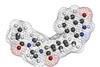
NewsWhy PARP inhibitors fail: key role of the CST complex in BRCA1-deficient cancers
Researchers from UT Health San Antonio have identified the CST protein complex as a key driver of resistance to PARP inhibitors in BRCA1-deficient cancers – which could lead to more personalised treatments for breast, ovarian and prostate cancer patients.
-
 News
NewsNew drug combo targets colorectal cancer mutation
Dr Justin Taylor of Sylvester Comprehensive Cancer Center has identified a promising drug combination that shrinks colorectal tumours in preclinical models.