



All Drug Discovery articles – Page 22
-
 News
NewsHigh-throughput NaV1.9 assay to advance pain therapies
Metrion Biosciences has introduced a breakthrough NaV1.9 screening assay, aimed at overcoming historical challenges in pain research and advancing the development of non-opioid treatments.
-
 News
NewsEli Lilly backs Creyon’s quantum chemistry platform in $1B RNA drug deal
The partnership allows for the further development of AI-designed RNA-targeted therapies for a range of diseases.
-
 News
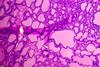
NewsNew plasma therapy fights aggressive soft tissue cancer
Researchers at Osaka Metropolitan University have found that plasma-activated medium (PAM) significantly reduces synovial sarcoma tumour growth in both lab and animal models, offering a promising new approach for treating this rare and aggressive cancer.
-
 Article
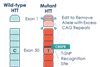
Allele-selective gene editing: a breakthrough in Huntington's disease treatment
Huntington's disease remains a major challenge, but allele-selective gene editing offers new hope. By targeting only the mutant gene, this approach could provide a one-time, durable treatment. Life Edit’s Dr Amy Pooler reveals how this innovative therapy could reshape HD treatment.
-
 News
NewsScientists develop immunotherapy to disarm fat-fuelled tumours
A new study reveals how tumours hijack fat metabolism to suppress immune responses - and how a novel antibody, PLT012, may reverse this effect, offering new hope for treating immunotherapy-resistant cancers.
-
 News
NewsNew dual-targeting strategy shows promise in treating pancreatic cancer
Researchers at the University of Michigan have discovered a powerful combination therapy that eradicates pancreatic tumours in preclinical models, offering hope for new treatments against one of the most treatment-resistant cancers.
-
 News
NewsBlocking nitrosylation boosts treatment for NRAS melanoma
Researchers at Moffitt Cancer Center have discovered that blocking a chemical process called nitrosylation can make aggressive NRAS-mutant melanoma more responsive to treatment.
-
 News
NewsTargeting inflammation to treat atherosclerosis and MASH
A glycine-based compound developed at the University of Michigan, originally designed to treat severe fatty liver disease, has shown powerful effects in reducing atherosclerosis and vascular calcification in animal models.
-
 News
NewsTargeting zombie cells: a new treatment for chronic back pain
McGill University researchers have found that two drugs can eliminate senescent “zombie cells” in spinal discs, offering a potential new treatment for chronic low back pain.
-
 Article
AI in drug discovery: faster, smarter, better
Claudia Zylberberg, Chair of Kosten Digital, reveals how AI is revolutionising cell and gene therapy, making drug discovery faster and more cost-effective.
-
 Article
Using knowledge graphs in drug discovery (Part 2): how they’re shaping scientific progress
In this second interview of the series, Andreas Kolleger, Head of GenAI Innovation at Neo4j, discusses how knowledge graphs and AI are transforming scientific discovery and improving life sciences workflows.
-
 News
NewsNew drug combination shows potential to treat enteroviruses
Researchers in Norway have identified a promising oral drug combination that may stop the replication of enteroviruses, a group of viruses responsible for illnesses ranging from the common cold to type 1 diabetes.
-
 Article
Building better drugs: how 3D models are shaping pre-clinical development
Three-dimensional (3D) models are reshaping pre-clinical drug development by providing more accurate insights into drug safety and efficacy. Explore how these advanced in vitro systems help improve predictions and reduce the risk of failure in early-stage drug discovery.
-
 News
NewsAdvanced test predicts ALK inhibitor success in lung cancer
Researchers have developed a test that accurately predicts whether patients with ALK-positive lung cancer will respond to targeted treatments. This could significantly enhance personalised cancer therapies and overcome treatment resistance.
-
 Article
Next-gen ADCs: Tubulis sets new standard in cancer treatment
Tubulis, led by CEO Dominik Schumacher, is advancing cancer treatment through next-generation antibody-drug conjugates (ADCs) designed to target solid tumours more effectively. Find out how the company is rapidly progressing its ADC pipeline to offer more precise and lasting treatment options for patients.
-
 Article
AI-powered imaging for faster lung disease treatment
Deep learning is transforming lung disease treatment by enabling earlier diagnosis, precise monitoring and more efficient clinical trials. This article explores how AI-driven imaging is accelerating drug development and improving patient outcomes.
-
 Article
Using knowledge graphs in drug discovery (Part 1): how they link to large language models
In this first interview of a two-part series, Andreas Kolleger explores the convergence of knowledge graphs and large language models. As the head of GenAI innovation at Neo4j, Andreas brings a unique cross-industry perspective on how these technologies can enhance life sciences workflows.
-
 Article
LB-102: Redefining schizophrenia treatment in drug discovery
Find out how LB Pharmaceuticals' LB-102 is advancing schizophrenia treatment. This first-in-class antipsychotic demonstrates strong efficacy, safety and tolerability, potentially addressing both acute and negative symptoms. Explore its potential impact on neuropsychiatric drug discovery.
-
 News
NewsKey PKD findings could accelerate development of new treatments
Rutgers researchers have discovered new insights into how polycystic kidney disease (PKD) progresses, which could lead to more targeted treatments. This breakthrough may help improve therapies for PKD patients in the future.
-
 Article
Advanced drug development for neurodegenerative diseases with α-synuclein
Discover how α-synuclein tests are transforming the diagnosis and treatment of neurodegenerative diseases, offering hope for earlier detection, better-targeted therapies and faster drug development.