



All Drug Discovery articles – Page 27
-
 Article
New targeted therapies show promise in lung cancer treatment
Recent advancements in targeted therapies and immunotherapies are transforming lung cancer treatment. Discover how these innovations are improving outcomes and providing hope for patients.
-
 News
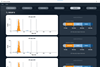
NewsRefeyn launches software platform to automate mass photometry workflows
Refeyn's new software automates mass photometry workflows, delivering faster and more consistent results for bioanalytical applications.
-
 News
NewsNovartis licenses innovative treatment for Huntington’s disease
Novartis has teamed up with PTC Therapeutics to develop PTC518, a groundbreaking treatment that targets the cause of Huntington's disease, offering new hope for patients.
-
 Article
Toxicology transformed: Why accuracy now leads the way
Regulatory changes are reshaping toxicology, with precision now at the forefront. We explore how accurate target analysis is transforming drug development, particularly for biotherapeutics.
-
 Article
Overcoming obstacles in personalised medicine
Tune in to this episode to learn how overcoming the key challenges in personalised medicine could transform the future of healthcare.
-
 News
NewsKey enzyme discovery marks a step forward in Alzheimer’s treatment
Scientists have decoded the 3D structure of a key enzyme linked to Alzheimer's disease. This breakthrough opens up new possibilities for targeted drug development and better treatment options.
-
 Article
Nobel Prize celebrates AI's role in protein structure innovation
The 2024 Nobel Prize in Chemistry honours AI's transformative impact on protein science, with breakthroughs set to reshape drug development.
-
 Article
Women in STEM with Stella Vnook
We had the privilege of speaking to Dr Stella Vnook, CEO of Likarda Biotech, and Founder and Chair of OralBiolife Biosciences. Driven by a passion for innovation, Dr Vnook has challenged industry norms and navigated the unique hurdles women in leadership face, fuelling lasting change in the biotech space. ...
-
 Article
Scientific workflow for hypothesis testing in drug discovery: Part 1 of 3
Explore the step-by-step scientific workflow behind drug discovery, from formulating hypotheses to analysing data, ensuring accurate and reliable results.
-
 News
NewsHalozyme’s €2 billion bid to transform drug discovery
By acquiring Evotec, Halozyme aims to enhance drug discovery and delivery, driving substantial growth in the pharmaceutical sector.
-
 News
NewsFDA greenlights AI-developed drug targeting solid tumors
Insilico Medicine’s AI-designed drug ISM5939 has received FDA IND clearance for treating solid tumours. By targeting ENPP1, it enhances anti-tumour immunity and is set to begin Phase I trials soon.
-
 News
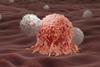
NewsNew CAR-T therapy shows promise in leukaemia treatment
Obecabtagene autoleucel (obe-cel) has demonstrated strong efficacy in treating relapsed B-cell leukemia, with high response rates and minimal side effects.
-
 News
NewsMetrion Biosciences appoints Lee Patterson as CEO
Metrion Biosciences is set to accelerate its global expansion and enhance its leadership in ion channel drug discovery services.
-
 Article
The paradox of data in precision medicine
The path to faster breakthroughs in precision medicine begins with overcoming the complexities of multi-modal data. Discover how innovative solutions are enabling more personalised treatments.
-
 News
NewsBreakthrough trial offers new hope for cystic fibrosis patients
A promising new inhaled therapy is progressing in Phase 2 trials, presenting new opportunities for improving cystic fibrosis treatment.
-
 News
NewsBlood-brain barrier breakthrough for ALS and Alzheimer's disease
A new blood-brain barrier-crossing platform enables the delivery of therapeutic molecules to the brain, offering potential treatments for ALS and Alzheimer’s disease.
-
 News
NewsUSC partners with Autobahn Labs to accelerate drug discovery
New collaboration focuses on transforming academic research into innovative therapies for urgent medical conditions, including cancer and heart disease.
-
 Article
Unlocking a new molecular space in rapid drug discovery
So-called undruggable pharmaceutical targets could be tackled with intermediate sized drugs such as macrocycles, combining the advantages of small molecules and biologics. The preparation of very large libraries of chemically synthesised intermediate-sized molecules is now in reach with a new technology developed at ETH Zurich. In this article, Dr Michelle ...
-
 News
NewsNew toxic component in the evolution of Alzheimer’s disease
UBneuro scientists discovered that reducing RTP801 expression prevented cognitive deficits and inflammation.
-
 Article
Highlights of the AAPS 2024 Summer Scientific Forum
In this episode, we discuss the history of the AAPS Summer Scientific Forum, highlights from the 2024 event, and its goals for the future.