



All Drug Targets articles – Page 15
-
 News
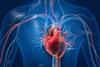
NewsTargeting fibroblasts could lead to new heart failure therapies
Long considered structural support cells, a new research study has discovered how fibroblasts actively worsen heart failure by disrupting heart muscle function, which could lead to new therapeutic strategies for heart failure.
-
 Article
The predictive validity crisis: Pharma’s productivity paradox – Part II
Part II shows that the predictive validity crisis can be solved by rethinking how the industry chooses models, measures outcomes and integrates systems. Success stories from Vertex, Regeneron and AstraZeneca illustrate how aligning biology, measurement and strategy can reverse decades of declining productivity.
-
 News
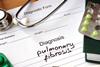
NewsPulmonary fibrosis: new drug slows and reverses lung scarring
Researchers have identified a key cellular mechanism that drives pulmonary fibrosis and successfully blocked it in mice, reducing lung scarring.
-
 Article
How real-world data is accelerating drug discovery
Vish Srivastava considers the benefits of expanding the role of real-world data in drug discovery to provide improved therapies, faster and with greater success.
-
 News
NewsImproving brain resilience: Rab proteins and future treatments
New research has discovered how Rab proteins control the delivery of critical supplies to strengthen neural connections, providing researchers with important insights into memory formation and potential strategies for Alzheimer’s resilience.
-
 News
NewsSperm ‘switch’ discovery could lead to new fertility therapies
Scientists have discovered the molecular ‘switch’ that powers sperm for fertilisation, which could potentially lead to new infertility treatments.
-
 News
Newsc-Kit helps sweet cells survive and regenerate taste
A new study has demonstrated that sweet-sensing taste cells, protected by the protein c-Kit, survive nerve injury and drive the regeneration of taste buds.
-
 News
NewsBlocking SLAMF6 enables T cells to kill leukaemia cells
Researchers have discovered a surface protein that helps acute myeloid leukaemia cells evade the immune system, offering potential insights to aid the development of new treatments.
-
 News
NewsCloneSeq-SV: new blood test tracks ovarian cancer recurrence
Researchers have developed a new blood test method, CloneSeq-SV, that tracks treatment-resistant ovarian cancer cells over time. The approach could help predict recurrence and guide targeted therapies.
-
 News
NewsHypoxia and EUDAL: the hidden drivers of oral cancer survival
A newly discovered RNA molecule, EUDAL, helps oral cancers survive chemotherapy by keeping a key growth protein permanently active. Researchers say targeting EUDAL could predict resistance and improve treatment outcomes.
-
 Article
From data to therapy: emerging tech driving cancer drug discovery
Multiomics, AI and liquid biopsies are giving researchers real-time insight into tumour biology and enabling more personalised cancer therapies. Find out how these technologies are advancing biomarker discovery, improving patient stratification, and guiding the design of new treatments.
-
 News
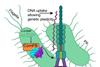
NewsComFB protein discovery could help fight antibiotic resistance
Scientists have discovered a new family of bacterial proteins – called ComFB – that regulate both movement and DNA uptake – suggesting potential new methods to combat pathogenic infections.
-
 News
NewsProtecting bones from cancer damage: targeting the UPR pathway
New research highlights how cancer hijacks the unfolded protein response (UPR) in bone cells – potentially allowing for the development of therapies that target this pathway to prevent fractures.
-
 News
NewsThe road to safer painkillers: the role of the EP2 receptor
NYU researchers have identified a receptor in prostaglandins that triggers pain without affecting inflammation – which could lead to safer, more targeted pain treatments.
-
 News
NewsMarine sponges could hold the key to new Leishmaniasis treatments
Japanese researchers have discovered potent new compounds from marine sponges that could transform the treatment of leishmaniasis – a neglected tropical disease affecting millions worldwide.
-
 Article
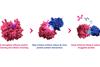
The science behind the systematic discovery of molecular glues
For decades, molecular glues have been stumbled upon rather than designed. A new scientific approach is now changing that – expanding what is considered druggable.
-
 News
NewsFibroblast mapping reveals potential universal drug targets
Scientists have mapped the diversity of fibroblasts and discovered how ‘rogue’ fibroblasts drive multiple diseases, revealing drug targets that could transform treatments across the body.
-
 News
NewsNew obesity drug RES-010 targets metabolism to prevent weight regain
A first-in-class obesity drug, presented at the European Association for the Study of Diabetes meeting in Vienna, aims to reprogramme metabolism rather than suppress appetite – offering the potential for long-lasting weight loss without regain.
-
 News
NewsMapping lung disease: new atlas to accelerate drug discovery
Helmholtz Munich and Parse Biosciences have collaborated to create the world’s largest lung disease perturbation atlas – which could aid the discovery of new therapeutic targets and accelerate the development of future lung disease treatments.
-
 News
NewsNew SMART tool maps RNA modifications to tackle cancer and infections
Researchers have developed the first high-throughput tool to rapidly profile RNA modifications – a breakthrough that could lead to more precise treatments for cancer and antibiotic-resistant infections.