



All Drug Targets articles – Page 17
-
 Webinar
Innovating Obesity Drug Discovery: Trends, Challenges, and Translational Strategies
Facing roadblocks in obesity drug discovery? Discover how integrated, validated strategies are helping teams accelerate development and reduce risk.
-
 News
NewsNew AI model PROTsi identifies aggressive tumours using protein markers
Researchers in Brazil and Poland have developed an AI-powered tool that predicts cancer aggressiveness by analysing protein expression - offering new insights into tumour behaviour.
-
 News
NewsDiscovery of hidden survival mechanism in MRSA points to new drug targets
In the fight against antibiotic-resistant bacteria, researchers at Michigan State University (MSU) have made a discovery that could change how we target deadly pathogens like Staphylococcus aureus and its drug-resistant strain - MRSA.
-
 Article
The future of CNS drug development: signs of real progress
New therapeutic approaches are emerging for CNS disorders – but can they overcome the toughest barriers in drug development? Find out what is driving progress and what still stands in the way.
-
 News
NewsMicroglia discovery offers clues to Alzheimer’s progression
Immune cells in the brain called microglia may hold the key to improving blood flow and tackling diseases like Alzheimer’s, new research from the University of Virginia suggests.
-
 Webinar
Early De-Risking: In Vitro Safety Strategies for Pre-IND Success
Safety data is no longer just a regulatory checkbox - it’s a strategic advantage. Discover how in vitro and computational tools reduce the reliance on animal testing and support smarter, earlier decision-making in drug discovery.
-
 News
NewsSmall molecule therapy improves islet transplant success in diabetes
A study from Weill Cornell Medicine shows that pre-treating pancreatic islet cells with a small molecule cocktail significantly improves survival after transplantation in type 1 diabetes models. The approach could help make donor cells go further and transplants more efficient.
-
 News
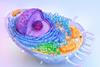
NewsVirtual cell model rankings just got a major upgrade
Shift Bioscience has published a new study introducing enhanced metrics and baselines for evaluating virtual cell models - boosting gene target discovery and accelerating its rejuvenation therapeutics pipeline.
-
News
FGF19 hormone could be the key to new obesity treatments
A hormone produced in the gut, FGF19, has been shown to act directly on the brain to boost energy expenditure, burn fat and improve blood sugar control in obese mice - offering a potential route for developing new obesity therapies.
-
 News
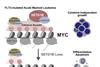
NewsDisabling the SETD1B enzyme halts leukaemia cell growth
Japanese researchers have identified the epigenetic enzyme SETD1B as a key driver of aggressive acute myeloid leukaemia (AML) – which could lead to new treatment strategies targeting the cancer’s underlying biology in the future.
-
 News
NewsHow bowel cancer beats treatment - and how AI can stop it
Scientists have developed a new AI-guided tool that predicts how bowel cancer becomes resistant to treatment – which could lead to development of new personalised therapies.
-
 News
NewsWhy PARP inhibitors fail: key role of the CST complex in BRCA1-deficient cancers
Researchers from UT Health San Antonio have identified the CST protein complex as a key driver of resistance to PARP inhibitors in BRCA1-deficient cancers – which could lead to more personalised treatments for breast, ovarian and prostate cancer patients.
-
 News
NewsNew drug combo targets colorectal cancer mutation
Dr Justin Taylor of Sylvester Comprehensive Cancer Center has identified a promising drug combination that shrinks colorectal tumours in preclinical models.
-
News
$250K grant fuels development of new Type 1 diabetes therapy
Researchers at Washington University in St. Louis have received a $250,000 grant from the Critical Path Institute’s Translational Therapeutics Accelerator (TRxA) to develop a novel CD22 bidentate therapeutic for type 1 diabetes to support formulation and new preclinical studies.
-
 News
NewsExperimental drug targets gene driving severe seizures in children
Researchers at the Fralin Biomedical Research Institute are developing a targeted KCNT1 inhibitor that has shown early promise in reducing seizures in preclinical models.
-
 News
NewsNew partnership targets CNS symptoms in ultra-rare diseases
Chiesi Group and Key2Brain have signed a global license agreement to develop two blood-brain barrier-crossing enzyme replacement therapies for alpha-mannosidosis and Krabbe disease – with the aim to help patients with limited treatment options.
-
 Article
Rethinking antibody discovery in the age of automation
James Atwood, COO of Opentrons, shares how accessible lab automation is helping research teams tackle tighter budgets, faster timelines and complex discovery workflows.
-
 News
NewsReelin identified as key marker of cocaine-activated brain cells
Researchers at the University of Alabama have identified reelin, a glycoprotein known for its role in brain development, as a key regulator of neurons in the brain's reward centre, potentially making way for targeted therapies against cocaine use.
-
 News
NewsHow one carbon atom is changing drug development
Researchers at the University of Oklahoma have found a way to improve drugs by adding just one carbon atom. This simple change could speed up drug discovery and lower costs.
-
 News
NewsExperimental peptide targets glioblastoma’s most resilient cells
An experimental peptide from Virginia Tech may offer a new way to stop glioblastoma from coming back by disrupting the cancer’s treatment-resistant core.