



All Drug Targets articles – Page 16
-
 News
NewsBlocking GPNMB may halt triple-negative breast cancer progression
A new study has revealed that the protein GPNMB alters immune cells to aid cancer spread – pointing to the GPNMB-Siglec-9 pathway as a potential target for future treatments.
-
 Article
Animal-free drug discovery is closer with QSP
Quantitative Systems Pharmacology (QSP) is fast becoming a standard tool in drug development, offering a human-relevant way to predict drug effects before the clinic. Dr Josh Apgar of Certara explains how it is helping to cut reliance on animal testing and speed discovery.
-
 Webinar
Can One Peptide Change Pain Research? Meet the Tool Transforming Drug Discovery
Discover how a new peptide tool, WRPRFa, is helping researchers better understand pain pathways and accelerate the search for next-generation analgesics.
-
 Article
Inside the search-and-develop model tackling 1,000 untreated skin diseases
With over 1,000 skin diseases lacking approved treatments, a search-and-develop model is changing how new therapies are sourced and developed. Chief Scientific Officer, Jacob Pontoppidan Thyssen, outlines the strategy behind it.
-
 News
NewsFeline cancer breakthrough could help treat human tumours
Researchers have tested a new cancer drug in pet cats with head and neck squamous cell carcinoma – a disease notoriously hard to treat. The trial showed the therapy controlled cancer in 35 percent of cats with minimal side effects – and it could help to treat humans too.
-
News
New imaging technique tracks obesity drug tirzepatide in cells
Scientists have developed fluorescent probes that reveal how dual agonist drugs like tirzepatide target cells in the pancreas and brain, offering new insights into diabetes and obesity treatments.
-
 News
NewsRepurposed epilepsy drugs show potential for new autism therapies
Researchers identified hyperactivity in a specific brain region as a driver of autism-like behaviours in mice – and reversed these symptoms using drugs first designed to treat epilepsy.
-
 News
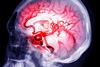
NewsNew therapy targets triglycerides to prevent aneurysms
A new study shows high triglyceride levels directly cause abdominal aortic aneurysms – highlighting triglyceride-lowering therapies as a potential new treatment.
-
 Article
What if drug discovery took months, not decades?
Drug discovery is slow, costly and often unsuccessful. DTR hears how GATC Health is applying AI and multiomics to make the process faster, more precise and less reliant on trial and error.
-
 News
NewsEvenamide targets multiple symptoms in schizophrenia models
New preclinical research suggests that evenamide – a glutamate modulator – targets hippocampal hyperexcitability, potentially addressing positive, negative and cognitive symptoms of schizophrenia.
-
 News
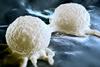
NewsNew PCAI compound targets aromatase inhibitor-resistant breast cancer
Researchers at Florida A&M University have identified a new compound – NSL-YHJ-2-27 – that disrupts key survival pathways in aromatase inhibitor-resistant breast cancer cells – offering a potential new treatment for hard-to-treat cases.
-
News
New patent for traumatic brain injury drug announced
Drug discovery company, TauGen, has filed a US patent application for a new series of drug candidates targeting endoplasmic reticulum (ER) stress – a key factor in secondary brain injury following traumatic brain injury (TBI).
-
News
Next-gen malaria vaccine created using mapped parasite protein
Australian scientists have, for the first time, visualised a malaria parasite protein complex – a discovery that has led to a new mRNA vaccine capable of blocking the parasite’s reproduction in mosquitoes and potentially halting transmission.
-
 News
NewsScientists discover how 5-HT1A receptor shapes brain signalling
Researchers at Mount Sinai have mapped how the 5-HT1A serotonin receptor controls brain signalling – finding a hidden lipid ‘co-pilot’ that could lead to the development of more targeted antidepressants.
-
 News
NewsIntersectin protein discovery may help treat cognitive disorders
Researchers have discovered that the protein intersectin plays a crucial role in organising synaptic vesicles – enabling direct communication essential for learning and memory.
-
 News
NewsNew research shows squeezing cancer cells helps them survive
Scientists have discovered that cancer cells generate an instant burst of energy when physically squeezed, helping them repair DNA damage and survive harsh environments. This discovery means that therapies targeting this new survival mechanism could be developed.
-
 News
NewsCDK4/6 and PARP combo improves prostate cancer treatment
Researchers at VHIO have discovered a new way to overcome drug resistance in metastatic prostate cancer – by combining CDK4/6 inhibitors with follow-up therapies.
-
 News
NewsNew drug combo targets PRMT5 to fight deadly cancers
Scientists at Virginia Tech’s Fralin Biomedical Research Institute have identified a promising drug target – PRMT5 – that could make treatment-resistant lung, brain and pancreatic cancers more vulnerable to therapy.
-
 News
NewsHow FtsZ and ZapA proteins drive bacterial cell division
Japanese researchers have discovered how the bacterial proteins FtsZ and ZapA work together to drive cell division – a discovery that could guide the development of new antibacterial treatments.
-
 News
NewsDeep-sea sugar EPS3.9 sparks immune attack on tumours
Scientists have isolated a sugar molecule from deep-sea bacteria that triggers pyroptosis - a form of inflammatory cell death - to halt tumour growth - highlighting the potential of marine microbes in drug development.