



All Microbiome articles
-
 News
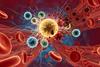
NewsMALVINA machine learning platform reveals how bacteria behave inside human cells
A new machine learning-based platform called MALVINA measures bacterial invasion, intracellular accumulation and DNA damage at single-cell resolution, exposing infection dynamics that conventional assays cannot detect.
-
 News
NewsBacterial enzyme found to weaken gut protective hormone signal
A bacterial enzyme produced by Bacteroides vulgatus has been shown to inactivate the intestinal hormone GLP-2, disrupting gut barrier function and aggravating colitis in a preclinical model — with a natural product inhibitor identified as a potential intervention.
-
 Article
Pomegranate-derived compound shows therapeutic potential in heart disease
Researchers at Cardiff University have identified urolithin A – a compound produced by gut bacteria during the metabolism of substances found in pomegranates – as a new approach for treating cardiovascular disease.
-
 News
NewsGut-targeted drug proves effective against polycystic ovary syndrome in mice
Fudan University researchers report that fexaramine, an intestine-specific farnesoid X receptor agonist, improved metabolic and reproductive parameters in mouse models of polycystic ovary syndrome, supporting the gut–ovary axis hypothesis.
-
 News
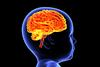
NewsMaternal stress may alter foetal brain development via immune pathways
Stress during pregnancy may disrupt the maternal gut-immune system, altering foetal brain development and revealing sex-specific vulnerabilities linked to neurodevelopmental risk
-
 News
NewsPre-transplant treg therapy reduces GVHD risk for blood cancer patients
Priming the immune system ahead of a stem cell transplant may be key to safer, more effective care for blood cancer patients, according to new research showing major reductions in transplant complications.
-
 News
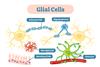
NewsBacterial traces discovered within gliomas and brain metastases
Scientists have discovered active bacterial traces inside brain tumours, overturning assumptions about the brain’s sterility and opening up new possibilities for understanding – and potentially treating – gliomas and brain metastases.
-
 News
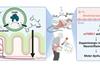
NewsOral bacteria in gut could play role in Parkinson’s disease development
Korean researchers have discovered that oral bacteria in the gut may contribute to Parkinson’s disease – highlighting a potential new target for treatment.
-
 News
NewsGut probiotics could offer relief for sickle cell disease pain
A new study from UT Dallas and the Medical College of Wisconsin links chronic sickle cell disease pain to gut bacteria – identifying Akkermansia muciniphila as a potential target for new probiotic or microbiome-based therapies.
-
 News
NewsRestoring the gut: VE303's strategy for C. diff relief
A new publication in Nature Medicine highlights the potential of VE303 for preventing recurrent C. difficile infection, detailing its impact on the gut microbiome and immune response.
-
 News
NewsPhage therapy: A step forward in the fight against antibiotic resistance
A new study shows how phages, viruses that kill bacteria, can coexist on a single bacterial strain. This offers valuable insights for developing more effective therapies against antibiotic-resistant infections.
-
 Article
Leveraging “omics” for novel microbiome drug concepts
Listen to this episode to discover how microbiomics is being leveraged to translate gut microbiome findings into new therapeutic options.
-
 News
NewsHow chronic stress hastens the progression of colorectal cancer
A new study, presented at the United European Gastroenterology, reveals how chronic stress disturbs the balance of gut microbiota and influences CRC progression.
-
 News
NewsNew methodologies to find microbiome biomarkers
Confounder control and quantitative profiling revealed misleading associations between microbial markers and colorectal cancer development.
-
 News
NewsElevated TMAO levels predict future risk of CKD
Elevated levels of trimethylamine N-oxide levels were a stronger indicator of CKD risk than the well-known risk factors.
-
 News
NewsLink identified between bacteria and cancer treatment efficacy
Researchers mapped the bacteria present in over 4000 metastatic tumour biopsies, which could enable the exploration of new treatments.
-
News
Uncovering the functional role of sRNAs in bacterial adaptation
Researchers find how antibiotic treatments influence the microbiota, providing new strategies for preventing antibiotic-induced damage.
-
 News
NewsExact bacterial lineage associated with colorectal cancer pinpointed
Researchers have discovered two distinct lineages of Fusobacterium nucleatum, which has great implications for colorectal cancer screening and therapeutics.
-
 Article
Bile acids and the microbiome: revolutionising disease approaches
Thousands of bile acids have been discovered, providing new insights into how microbes influence distant organ systems.
-
 Article
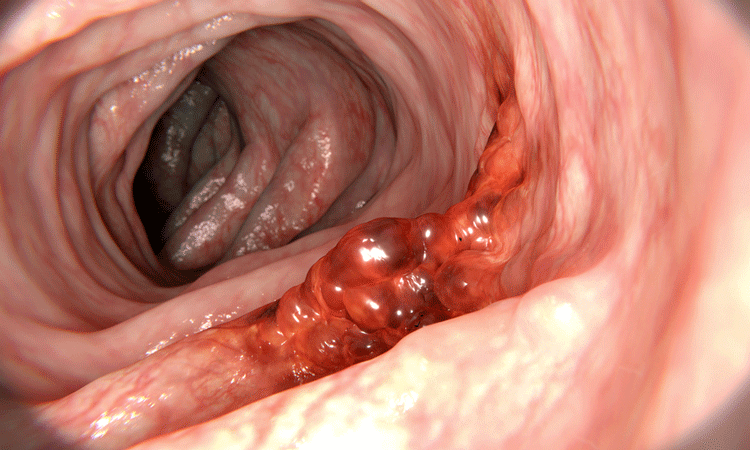
Investigating the intratumoural microbiome in young-onset CRC patients
New insights about young-onset CRC tumour-related bacteria could lead to new diagnostic markers and therapeutic targets.