



All Molecular Biology articles – Page 23
-
 News
NewsGinger-based compound targets inflammation in IBD
Researchers at the University of Toronto have discovered a compound in ginger, furanodienone (FDN), that interacts with the pregnane X receptor to reduce inflammation in the colon. This finding suggests FDN could be an effective, natural treatment for inflammatory bowel disease (IBD).
-
 News
NewsNew gene identified for treating malignant cardiac arrhythmias
Researchers have identified a small gene, SCN10a-short, that could enable gene therapy to treat malignant cardiac arrhythmias. This discovery offers the potential for a one-time treatment, reducing the reliance on lifelong medication and invasive procedures.
-
 News
NewsBlood pressure drug shows promise in ADHD symptom reduction
A study by the University of Surrey suggests that amlodipine, a common blood pressure medication, could be repurposed as a safer, more accessible treatment for ADHD. This offers a promising alternative to current medications and highlights the potential of drug repurposing in advancing treatment options.
-
 Article
New therapy shows promise in strengthening CAR-T responses
CAR-T therapy has shown effectiveness in cancer treatment, but relapse often occurs due to limited cell persistence. New strategies aim to improve CAR T-cell durability for longer lasting remission.
-
 News
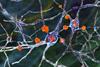
NewsDNA repair genes drive Huntington's disease, UCLA study finds
A new UCLA study reveals that DNA mismatch repair genes play a crucial role in Huntington’s disease by driving neuronal damage and motor impairments. Targeting these genes, especially Msh3 and Pms1, could offer promising therapeutic avenues for the disease.
-
 Article
Experts explore the future of iPSC-based cell therapies
Discover the transformative potential of iPSC-based therapies in regenerative medicine, alongside their challenges including scalability, safety and targeted delivery.
-
 News
NewsStudy identifies new genetic targets for neuropsychiatric diseases
Scientists identify thousands of novel enhancers linked to neuronal differentiation and neuropsychiatric disorders, offering new pathways for drug discovery and potential therapeutic targets.
-
 Article
Landmark study aims to detect Parkinson’s before symptoms
Grifols' Chronos-PD initiative leverages its extensive plasma repository to identify early biomarkers of Parkinson's disease, advancing early detection and contributing to the development of innovative therapies.
-
 News
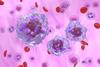
NewsITM-11 boosts survival in neuroendocrine tumour trial
A new targeted radiotherapy offers hope for patients with rare neuroendocrine tumours, demonstrating a significant improvement in progression-free survival in a key clinical trial.
-
 News
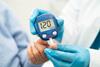
NewsNew study shows CGM data can predict diabetes complications
UVA researchers found that continuous glucose monitor data can predict nerve, eye, and kidney damage in type 1 diabetes.
-
 Article
FDA’s Project Optimus: A new era in oncology drug dosing
Explore how FDA’s Project Optimus is reshaping oncology drug dosing strategies, with insights on precision medicine, adaptive trial designs, and the role of CROs in optimising patient outcomes.
-
 News
NewsRett syndrome discovery could lead to better treatments
Researchers have identified early molecular changes in Rett syndrome that could lead to improved treatments for the condition.
-
 News
NewsLB Pharmaceuticals announces positive schizophrenia trial data
LB Pharmaceuticals announced positive Phase II results for LB-102, showing significant symptom improvement in schizophrenia with a favourable safety profile.
-
 News
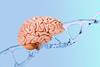
NewsStudy reveals how neurotransmitters influence brain gene expression
A new study demonstrates how neurotransmitters affect brain gene expression, offering potential therapeutic insights for circadian rhythm disorders.
-
 News
NewsNew painless vaccine technology targets viruses
Learn how Kindeva and Emervax are advancing vaccine delivery with painless, needle-free technology designed to improve accessibility and uptake worldwide.
-
 News
NewsInnovative lupus treatment under investigation at Virginia Tech
A Virginia Tech student is investigating new treatments for lupus, an autoimmune disease that affects millions worldwide.
-
 News
NewsNew genetic mechanism could lead to RNA therapies for mental health
Researchers at the Medical University of South Carolina have discovered a key genetic mechanism that could lead to RNA-based therapies for psychiatric disorders triggered by emotional experiences.
-
 News
NewsGene linked to high altitudes could transform blood cancer therapy
Huntsman Cancer Institute researchers have identified a gene variant in Andean populations that could predict blood cancer treatment outcomes and potentially lead to targeted therapies.
-
 News
NewsNew research shows way to bypass immunotherapy resistance
A study from the University of Alabama at Birmingham reveals that HIF1α plays a crucial role in enabling T cells to kill tumour cells under low-oxygen conditions, providing a potential solution to resistance in immune checkpoint blockade (ICB) therapies.
-
 News
NewsNon-invasive eye drops provide new solution for dry AMD patients
A new peptide-based eye drop treatment for dry AMD offers a non-invasive, effective alternative to injectable therapies, enhancing patient convenience and care.