



All Molecular Biology articles – Page 22
-
 Article
Next-gen biotech: rBIO’s approach to affordable insulin solutions
rBIO is transforming the biosimilar insulin market with a novel biomanufacturing platform designed to reduce production costs while maintaining high-quality standards. CEO Cameron Owen shares how their approach is shaping drug discovery and improving patient access to life-saving treatments.
-
 News
NewsStudy identifies crucial gene behind metabolic liver disease
A team of researchers at Waseda University in Japan has identified a gene called Nwd1 that plays a key role in the development of metabolic dysfunction-associated steatohepatitis (MASH). This discovery could lead to new therapeutic strategies, potentially reshaping the treatment landscape for liver disease.
-
News
Alzheimer’s treatment targets root causes, not just symptoms
Porosome Therapeutics has made a groundbreaking discovery in Alzheimer’s research by targeting the disease’s molecular causes, focusing on restoring secretory and metabolic functions. This approach could not only slow progression but potentially reverse early-stage pathology.
-
 Article
Gene silencing: a step forward for rare disease therapy
Gene silencing offers a promising approach to treating rare neurological diseases like H-ABC. With clinical trials on the horizon, find out how targeted therapies could bring real hope to patients and families.
-
 News
NewsB cell discovery could supercharge future vaccine development
New research reveals how B cells balance mutation and clonal expansion to refine their antibodies. This discovery could lead to more targeted and effective vaccine designs for various diseases.
-
 News
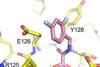
NewsNew approach targets VHR enzyme for sepsis treatment
A new study reveals a promising approach to sepsis treatment by targeting the VHR enzyme using fragment-based drug discovery. This innovative method could lead to more effective therapies for sepsis and other immune-related conditions.
-
 Article
New advances in hormone replacement therapy set to transform care
Hormone replacement therapy has long been used to treat low hormone levels, but existing delivery methods struggle with poor adherence and inconsistent hormone delivery. Lisa Stehno-Bittel of Likarda and Charles Virden of VitalTE discuss a novel approach using hormone-filled microbeads in hydrogels for steady, extended release after monthly self-injections.
-
 News
NewsNanoparticle therapy shows potential to prevent spread of pancreatic cancer to liver
Pancreatic cancer is notoriously hard to treat, especially when it spreads to the liver in advanced stages. Researchers at UCLA’s California NanoSystems Institute (CNSI) have developed an innovative nanoparticle technology to tackle this challenge.
-
 News
NewsCeSPIACE: New peptide drug blocks COVID-19 variants
Scientists have developed CeSPIACE, a peptide drug that offers broad protection against COVID-19 variants, including Omicron XBB.1.5. Find out how it targets a stable part of the virus’s spike protein, making it resistant to mutations.
-
 News
NewsBeckman Coulter Life Sciences and Rarity Bioscience partner to advance oncology research
Beckman Coulter Life Sciences, a global leader in laboratory automation and innovation, has partnered with Rarity Bioscience to introduce a groundbreaking approach to oncology research.
-
News
Scientists discover key to long COVID lung damage and potential treatment
Scientists at the University of Virginia (UVA) School of Medicine have uncovered a crucial mechanism behind the lingering effects of long COVID, revealing how severe COVID-19 infections impair immune cells’ ability to repair lung tissue.
-
 Article
The future of mental health treatment: Zelquistinel's role
Learn about zelquistinel, an innovative NMDA receptor modulator that is transforming treatment possibilities through a novel approach to synaptic plasticity. This breakthrough drug offers new insights into early drug discovery and the future of neuropsychiatric treatment.
-
 News
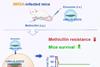
NewsScientists turn superbug MRSA into treatable infection
Researchers have discovered a breakthrough method to silence MRSA's drug resistance, restoring its sensitivity to standard antibiotics and offering new hope in the fight against superbugs.
-
 News
NewsBacterial ‘jumping genes’ found to control chromosome ends
Cornell researchers have discovered how transposons, or 'jumping genes,' insert themselves into bacterial chromosome ends, potentially transforming genetic engineering and advancing biotechnology. This breakthrough could reshape antibiotic research and unlock new drug discoveries.
-
 Article
Refining and targeting exatecan with ADC technology
DTR speaks with Dr Patrick van Berkel at ADC Therapeutics to discuss how the company is transforming exatecan delivery to achieve better health outcomes.
-
 Article
Hope for ALS and inflammatory diseases: Cellenkos' CRANE technology breakthrough
Cellenkos' CRANE technology, led by Dr Simrit Parmar, harnesses regulatory T cells to precisely target and treat inflammatory diseases. This innovative approach offers hope for conditions like aplastic anaemia, myelofibrosis, and ALS.
-
 News
NewsNew AI algorithm searches 10 sextillion drug candidates
Scientists have developed an AI algorithm capable of searching through 10 sextillion potential drug molecules, a feat previously considered impossible. This method could significantly speed up drug discovery and the development of new treatments.
-
 Article
Obesity care gets personalised: tailoring therapies with Phenomix
Find out how Phenomix Sciences is transforming obesity treatment by identifying patient subtypes for more targeted and effective therapies.
-
Article
Building better brain models for Parkinson’s disease and beyond
Professor Jens Christian Schwamborn is advancing personalised medicine for Parkinson’s disease using patient-specific brain organoids, offering new hope for more effective and targeted treatments.
-
 News
NewsNew genetic discovery offers hope for arthritis drug development
York University researchers have discovered a genetic mutation in the TRAF1 protein that dramatically reduces inflammation, offering a potential breakthrough in rheumatoid arthritis treatment.
